
10 Day Trip to Portugal: Lisbon, Porto, Algarve? Here's the Perfect First-Timer's Itinerary for 2026
Planning your first trip to Portugal? This Reddit-inspired 10-day itinerary perfectly balances Lisbon's historic neighborhoods, Porto's riverside charm, and the Algarve's dramatic coastline—complete with real costs, day-by-day logistics, and insider tips for 2026.
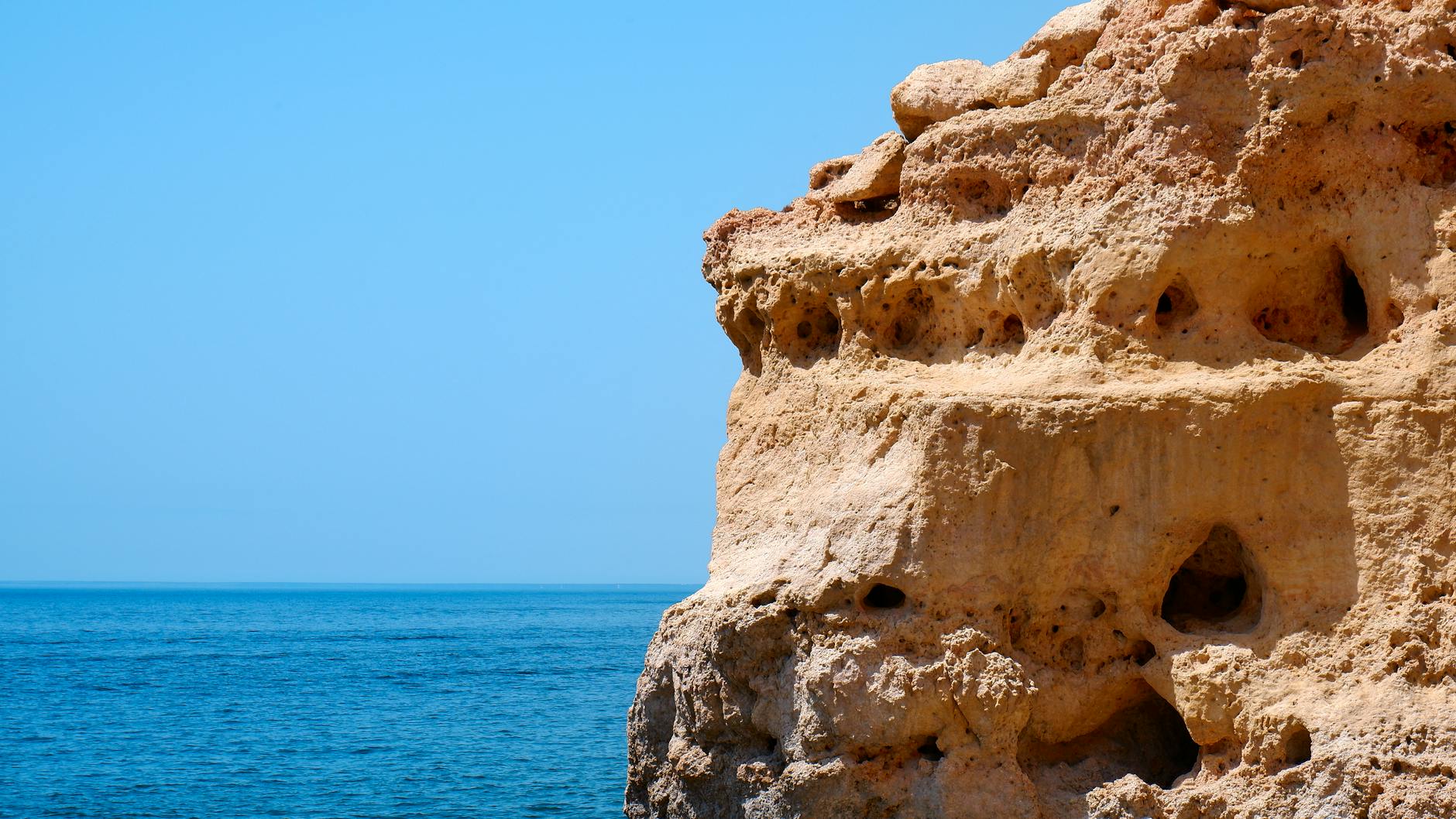
I keep seeing the same question pop up on Reddit's r/travel: "10 day trip to Portugal: Lisbon, Porto, Algarve?" It's a solid starting point for a first visit to this Iberian gem, but the real challenge is figuring out how many days in each place and how to connect them without spending half your vacation on trains.
I spent three weeks crisscrossing Portugal last year, and I can tell you the classic Lisbon-Porto-Algarve triangle is absolutely doable in 10 days—but only if you get the allocation right. Most first-timers either rush through everything in a blur or linger too long in one spot and miss the magic of another. This itinerary balances the historic cities with the dramatic coastline, gives you breathing room to actually enjoy each destination, and includes real costs so you can budget properly.
The Perfect 10-Day Portugal Itinerary: At a Glance
Before diving into day-by-day details, here's the framework that works:
- Days 1-4: Lisbon (including Sintra day trip)
- Days 5-7: Porto (including Douro Valley option)
- Days 8-10: The Algarve (Lagos as your base)
This gives you roughly four days in Portugal's capital region, three days in the north, and three days on those famous southern beaches. It accounts for travel time between locations—about 3 hours Lisbon to Porto by train, and another 3-4 hours Porto to Lagos.
Why This Allocation Works Better Than Others
Here's where I disagree with some of the advice floating around travel forums. Many Redditors suggest splitting your time evenly—3 days each in Lisbon, Porto, and the Algarve. That's a mistake. Lisbon deserves four days because you'll want to spend one full day in Sintra, which is absolutely non-negotiable for first-timers. Trying to squeeze Sintra into a Lisbon afternoon is how you end up queuing for two hours at Pena Palace and seeing nothing else.
Porto works beautifully as a three-day destination. The city itself is compact—you can walk most of it—but you'll want that third day either for a Douro Valley wine tour or to simply absorb the riverside atmosphere without rushing.
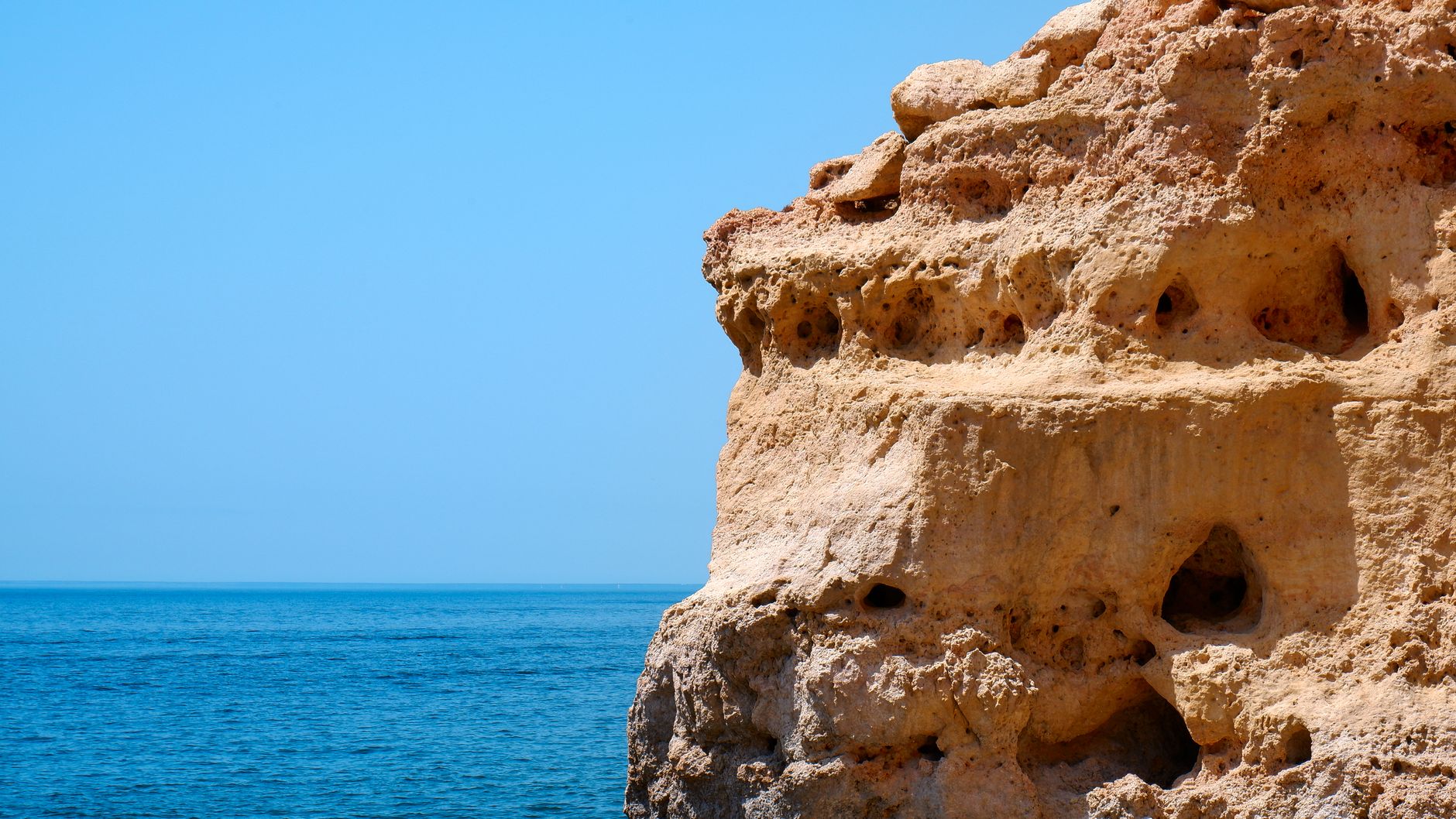
The Algarve is trickier. Some travelers report feeling "beached out" after two days. Others fall in love with the dramatic coastline and wish they'd stayed longer. Three days hits the sweet spot: enough time for beach hopping, a boat tour through the sea caves, and that magical sunset at Ponta da Piedade without the scenery getting repetitive.
Days 1-4: Lisbon and Sintra
Day 1: Arrival and Alfama
Most international flights land at Lisbon's Humberto Delgado Airport (LIS), about 20 minutes from the city center by metro. The metro costs €1.80 plus €0.50 for the rechargeable Viva Viagem card. Taxis and Ubers run €15-20 to central districts.
Stay in Bairro Alto or Príncipe Real for the best first-timer experience. These neighborhoods put you within walking distance of major sights while maintaining authentic character. Avoid staying right on the main tourist drags—Rossio Square and Avenida da Liberdade are convenient but charmless.
Your first afternoon should be loose. Jet lag is real, and forcing a packed schedule on arrival day is a recipe for burnout. Wander through Alfama, Lisbon's oldest neighborhood. The maze of cobblestone alleys, laundry hanging between buildings, and sudden viewpoints (miradouros) over terracotta rooftops will immediately answer why you chose Portugal. Stop at Miradouro de Santa Catarina for sunset drinks—there's a simple kiosk serving wine and beer with panoramic views.
For dinner, avoid the tourist traps near the castle. Instead, head to Casa da India on Rua de São Julião for incredible piri-piri chicken (under €10) or Time Out Market if you want variety in a food hall setting.
Day 2: Belém and Historic Lisbon
Start early at Jerónimos Monastery in Belém. This UNESCO-listed Gothic masterpiece opens at 10 AM, and arriving at opening time saves you from the worst queues. Entry is €10, or free with the Lisbon Card. The neighboring Belém Tower (€6) and Padrão dos Descobrimentos monument complete the historic waterfront trio.
The real reason you're in Belém, though? Pastéis de Belém. This is the original home of Portugal's famous custard tarts. The bakery has been making them since 1837 using a secret recipe from the monastery. They're €1.30 each, best eaten warm with cinnamon powder. Expect a line—it moves fast, and yes, it's worth it.
Afternoon: Ride Tram 28 through the historic neighborhoods. This isn't just transportation; it's a sightseeing tour through Alfama, Graça, and Estrela. The tram costs €3 if bought onboard, but it's covered by the 24-hour transport pass (€6.60). Pro tip: board at Martim Moniz or Campo Ourique—the terminus points—so you actually get a seat.
Day 3: Sintra Day Trip
Do not skip Sintra. I repeat: do not skip Sintra. Lord Byron called it "the most delightful place in Europe," and while that might be 19th-century hyperbole, the sentiment holds up.
The train from Lisbon's Rossio Station takes 40 minutes and costs €2.30 each way. Trains run every 20-30 minutes. Buy tickets from the machines—have small bills ready as they don't always give change for €20s.
Sintra's palaces are spread across a mountain. You cannot walk between them efficiently. Your options:
- Bus 434: The tourist circuit bus (€11.50 day pass) connects the train station to Pena Palace, Castle of the Moors, and the historic center.
- Tuk-tuks: Negotiate hard—€25-30 for a customized tour is fair.
- Uber/Bolt: Surprisingly affordable and faster than the bus during peak season.
Pena Palace (€14, book online in advance) is the Instagram-famous colorful palace. Go early—the 9:30 AM opening is your friend. The palace interior is interesting but the real magic is wandering the terraces with views stretching to the Atlantic.
Quinta da Regaleira (€11) is arguably more impressive. The Initiation Well—a spiral staircase descending into the earth like something from a fantasy novel—is unforgettable. The gardens are maze-like and mysterious. Plan 2-3 hours here.
Skip the Castle of the Moors if you're short on time—it's scenic but repetitive after Pena. Instead, add Cabo da Roca, the westernmost point of continental Europe. Bus 1253 runs there from Sintra town (€4.10 round trip). The wind-battered cliffs and lighthouse make for dramatic photos.
Return to Lisbon for dinner in Cais do Sodré, the riverside district that's transformed from seedy port area to trendy nightlife hub.
Day 4: Lisbon Neighborhoods and Departure Prep
Spend your final Lisbon morning exploring Príncipe Real and LX Factory. The former is Lisbon's most elegant neighborhood, with boutique shops and the stunning Estufa Real botanical garden (€3). LX Factory, a converted industrial complex under the 25 de Abril Bridge, houses street art, independent shops, and the best bookstore in Portugal: Ler Devagar, with its famous suspended bicycle sculpture.
Grab lunch at Ponto Final—a restaurant at the edge of the Tagus in Almada with unbeatable views of Lisbon's skyline. The ferry across costs €1.50 and takes 10 minutes from Cais do Sodré.
Evening: Pack, rest, and prepare for tomorrow's journey north.
Days 5-7: Porto and the Douro Valley
Day 5: Travel to Porto and Riverside Exploration
The train from Lisbon's Santa Apolónia station to Porto takes about 3 hours on the Alfa Pendular high-speed service. Book tickets at cp.pt—prices range from €15-25 if bought in advance, or €25-35 last minute. The journey hugs the coast for stretches, offering glimpses of beaches and fishing villages.
Porto feels completely different from Lisbon. Where Lisbon sprawls across hills with wide avenues, Porto is compact and vertical, cascading down to the Douro River in a jumble of colorful buildings.
Base yourself in the Ribeira district or near Livraria Lello. Yes, the bookstore is touristy (€8 entry, ticket price deducted from book purchases), but the neo-Gothic interior with its famous red staircase genuinely is stunning. Go at opening (9:30 AM) or risk queuing for an hour.
Evening: Walk across the Dom Luís I Bridge at sunset. The upper deck offers panoramic views of Porto's terracotta rooftops and the Douro's curve. On the Vila Nova de Gaia side, dozens of port wine lodges offer tastings. Graham's and Taylor's have the best views; Croft offers the most interesting tour. Basic tastings run €15-25.
Day 6: Porto's Neighborhoods and Markets
Morning: São Bento Railway Station—even if you're not traveling, step inside to see the azulejo tile panels depicting Portuguese history. Then climb to the Torre dos Clérigos (€6) for 360-degree city views. The 240-step spiral staircase is narrow; skip if you're claustrophobic.
Afternoon: Bolhão Market reopened in 2022 after extensive renovations and represents Porto's food culture at its best. Even if you're not buying ingredients, the fish stalls, cheese vendors, and flower sellers offer an authentic slice of local life. Grab lunch at one of the small restaurants inside—Catrina does excellent petiscos (Portuguese tapas).
Evening: Explore Cedofeita, Porto's artsy neighborhood. The street art here rivals anything in Berlin or London. End at Base, a rooftop bar on Passeio dos Clérigos with craft cocktails and sunset views.
Day 7: Douro Valley Day Trip or Relaxed Porto
You have two excellent options for your final full day in the north:
Option A: Douro Valley Wine Tour
The Douro Valley, a UNESCO World Heritage site, is where port wine originated. The terraced vineyards carved into steep river valleys create some of Europe's most dramatic landscapes.
Organized day tours from Porto cost €80-120 and include tastings at two wineries plus a river cruise. This is the easy option but limits flexibility.
Independent travel is doable: take the train from São Bento to Pinhão (2.5 hours, €13.55 each way). The journey itself is spectacular—the line follows the Douro through 30 tunnels and past countless quintas (wine estates). In Pinhão, visit Quinta do Bonfim (tastings from €15) and hike the vineyard trails. Return by train or river cruise (€35-50).
Option B: Slow Porto Day
If wine isn't your priority, spend the day discovering Porto's lesser-known corners. Visit Serralves, the contemporary art museum set in gorgeous gardens (€20). Walk along the Foz do Douro waterfront where the river meets the Atlantic. Or simply café-hop through Baixa, sampling francesinha—Porto's decadent answer to the croque-monsieur, drenched in beer sauce.
Days 8-10: The Algarve and Lagos
Day 8: Travel to the Algarve
The journey from Porto to Lagos takes 3.5-4 hours by train, usually requiring a change in Tunes. Tickets cost €30-40. Alternatively, FlixBus offers direct service for €15-25—slower but cheaper and often more convenient.
Lagos is the ideal Algarve base for first-timers. It's big enough to have restaurants and atmosphere, small enough to walk everywhere, and perfectly positioned for exploring the western Algarve's best beaches. Avoid Albufeira unless you're specifically seeking a party resort vibe.
Stay in the historic center—white-walled buildings with Moorish influences, narrow streets, and a proper Portuguese feel despite the tourist presence. Airbnb apartments run €60-100/night; hotels €80-150.
Afternoon: Get oriented with a walk to Praia da Batata, the town beach, and watch the fishing boats return. Dinner at Casa do Prego for exceptional steak sandwiches, or O Camilo for fresh seafood with sea views.
Day 9: Sea Caves and Coastal Hiking
The Algarve's sea caves are genuinely spectacular. Benagil Cave—with its open dome ceiling letting sunlight stream onto the beach inside—is the famous one, but there are dozens more along this coastline.
Kayak tours (€40-50) depart from Benagil beach and let you actually land inside the caves—something larger boat tours can't do. The paddling is manageable for beginners; the water is calmest in the morning.
Alternative: Rent a stand-up paddleboard (€20/half day) and explore independently if you're confident on the water.
Afternoon: Hike the Seven Hanging Valleys Trail (Percurso dos Sete Vales Suspensos). This 5.7km cliff-top path connects Praia da Marinha to Vale Centeanes, passing some of the Algarve's most iconic rock formations. The trail is moderately strenuous with some uneven sections, but the views are unmatched. Allow 2-3 hours.
Sunset: Ponta da Piedade. These golden cliffs and sea stacks are the Algarve's most photographed spot for good reason. The boardwalk makes access easy; bring a picnic and watch the sun dip into the Atlantic.
Day 10: Beach Hopping and Departure
Your final day is for savoring. Sleep in, then pick one last beach:
- Praia da Marinha: The classic—limestone arches, clear water, postcard perfection. Gets crowded by 11 AM.
- Praia do Camilo: Small, intimate, wooden staircase leading down to turquoise water. 15 minutes walk from Lagos center.
- Praia de Dona Ana: Convenient and beautiful, surrounded by ochre cliffs.
Most flights home depart from Lisbon or Faro. From Lagos, the train to Lisbon takes about 4 hours (€25-35); to Faro airport, it's 1 hour 45 minutes by train (€15-20) then a short taxi ride.
Real Budget Breakdown: What 10 Days in Portugal Actually Costs
Portugal remains one of Western Europe's best value destinations, but prices have risen significantly since 2023, especially in Lisbon and Porto. Here's realistic daily spending for a mid-range traveler:
Accommodation (Per Night)
- Hostel dorm: €18-28 (Lisbon/Porto), €25-35 (Algarve in summer)
- Private Airbnb/3-star hotel: €70-110
- Boutique hotel: €120-180
Food and Drink
- Coffee (espresso): €0.80-1.20
- Pastel de nata: €1-1.50
- Fixed-price lunch (menu do dia): €10-15
- Dinner at mid-range restaurant: €20-30
- Supermarket meal prep: €8-12/day
- Beer at bar: €2-4
- Glass of wine: €3-6
Transportation
- Lisbon-Porto train: €18-35
- Porto-Lagos bus: €15-25
- Lisbon metro single: €1.80
- 24-hour Lisbon transport pass: €6.60
- Sintra train return: €4.60
- Uber across Lisbon/Porto: €6-12
Activities
- Pena Palace: €14
- Quinta da Regaleira: €11
- Jerónimos Monastery: €10
- Livraria Lello: €8
- Kayak tour: €40-50
Total 10-Day Budget Estimates
- Budget backpacker (hostels, supermarkets, walking): €800-1,000
- Mid-range comfort (Airbnbs, restaurants, some tours): €1,400-1,800
- Comfortable with splurges (boutique hotels, wine tours, nice meals): €2,200-2,800
Practical Tips for Your First Portugal Trip
Best Time to Visit
Spring (April-May) and fall (September-October) are ideal. Temperatures hover around 20-25°C (68-77°F), crowds are manageable, and accommodation prices haven't hit summer peaks.
Summer (June-August) brings beach-perfect weather but intense crowds in Lisbon and Porto, and inflated Algarve prices. If you must visit in summer, book accommodations 2-3 months ahead.
Winter (November-March) is mild by Northern European standards (10-15°C/50-59°F) and wonderfully uncrowded. Some Algarve boat tours shut down, but city exploration is pleasant.
Getting Around
Portugal's public transportation is excellent between major cities but limited in rural areas. For this itinerary, you won't need a car until potentially the Algarve—and even there, tours and taxis work fine for a short stay.
Download the CP app for train tickets and Uber/Bolt for city rides. Taxis are metered and generally honest, but Uber is usually cheaper.
Language
English is widely spoken in tourist areas. Learning a few Portuguese phrases goes further than you'd expect—obrigado/a (thank you), por favor (please), and conta (check/bill) cover most interactions.
Safety
Portugal ranks among the world's safest countries. The main risk is petty theft in tourist-heavy areas—Lisbon's Tram 28 and Porto's Ribeira district see pickpocketing. Standard precautions suffice.
Is 10 Days in Portugal Enough?
Here's the honest truth: 10 days lets you scratch Portugal's surface beautifully, but you'll leave wanting more. This itinerary hits the iconic highlights—Lisbon's melancholic Fado bars, Porto's wine lodges, the Algarve's golden cliffs—without rushing so much that you need a vacation from your vacation.
What you'll miss: the Azores' volcanic landscapes, Madeira's levada walks, the university town of Coimbra, Évora's Roman ruins, and the wild beaches of the Alentejo coast. These are reasons to return, not failures in planning.
The Reddit poster asking about Lisbon, Porto, and Algarve in 10 days made the right call. It's the classic Portuguese trifecta for first-timers, and executed with the right pacing—four days south, three days north, three days coast—it's a trip that balances cultural immersion with pure vacation pleasure.
Book that train ticket to Porto. Reserve your Pena Palace slot. And prepare for the pastel de nata addiction—it's real, and there is no cure.