
First Time in Japan? Here's the Perfect 2-Week Itinerary for 2026 (With Real Costs)
A realistic, Reddit-inspired 2-week Japan itinerary for first-timers. Covers Tokyo, Kyoto, and Osaka with real 2026 costs, daily budgets from $60-490/day, and honest advice about what to skip.
Scrolling through Reddit's r/JapanTravel, I keep seeing the same question: "First time in Japan—2 weeks—what should I actually do?" It comes in variations. June 2026. November 2026. Solo travelers, couples, groups of friends. Everyone wants the same thing: a realistic itinerary that hits the highlights without turning their vacation into a forced march through crowded train stations.
I get it. Japan can feel overwhelming. The language barrier, the complicated rail system, the unwritten social rules—there's a reason so many first-timers stare at blank spreadsheets for weeks before their trip. But here's the truth: two weeks is the sweet spot for Japan. Enough time to experience Tokyo's chaos, Kyoto's temples, and Osaka's food culture without rushing. Not enough time to see everything, which is actually liberating. You'll have to make choices, and that forces you to prioritize what actually matters to you.
This itinerary is built from dozens of Reddit threads, cost data from 2026 travel reports, and the hard-learned lesson that trying to do too much is the fastest way to ruin a Japan trip. I'll give you specific neighborhoods, real prices, and honest advice about what to skip.
The Golden Route: Why Everyone Takes It (And Why That's Okay)
Tokyo → Kyoto → Osaka. Travel writers love to call this "overdone" and push you toward obscure rural towns. Ignore them—at least for your first trip. This route is popular because it works. You get Japan's three distinct personalities: hypermodern megacity, ancient imperial capital, and unpretentious food-obsessed metropolis.
My recommended allocation:
- 5 nights in Tokyo — You could spend a month here and barely scratch the surface. Five days gives you one full day in each major district plus breathing room.
- 4 nights in Kyoto — The temples deserve slow exploration, not rushed photo stops. This also allows a day trip to Nara.
- 3 nights in Osaka — Japan's kitchen deserves your full attention. Plus easy access to day trips.
- 1 night for transit/flexibility — Because trains get delayed and you'll want buffer time.
Day-by-Day Breakdown: What to Actually Do
Days 1–5: Tokyo — Choose Your Own Adventure
Tokyo isn't one city. It's a collection of cities that happen to share a subway map. Each major district could fill a day, so cluster your activities geographically:
Day 1: Shibuya and Harajuku. Land at Haneda (closer to the city than Narita), drop bags at your hotel, and head straight to Shibuya Crossing. Yes, it's touristy. Yes, you should still do it. The energy is undeniable. Walk to Harajuku for the sensory overload of Takeshita Street, then escape to the tranquility of Meiji Shrine just behind it. End at Shibuya Sky for sunset views—book tickets weeks in advance.
Day 2: Asakusa and Ueno. Senso-ji Temple in the early morning, before the crowds arrive. This is Tokyo's oldest temple, and the approach through Nakamise shopping street feels like stepping back several centuries. Afternoon in Ueno Park—museums if it's raining, cherry blossoms if you're here in spring, or just people-watching by the pond.
Day 3: Shinjuku. Start at the Tokyo Metropolitan Government Building—free observation decks on the 45th floor. Explore Golden Gai in the evening: 200 tiny bars squeezed into six alleyways. Most seat fewer than ten people. There's no "best" bar—pick one that looks interesting and commit to the experience.
Day 4: Day trip or deep neighborhood. Your call. Options include:
- Kamakura: 45 minutes south, great beaches, the famous Great Buddha, and a more relaxed pace.
- Nikko: UNESCO shrines in mountain forests. Spectacular but tiring—requires an early start.
- TeamLab exhibitions: Planets in Toyosu or Borderless in Azabudai (reopened 2024). Book a month ahead minimum.
- Just staying in Tokyo: Explore Shimokitazawa for vintage shopping or Yanaka for old-Tokyo atmosphere.
Day 5: Morning in Tokyo, afternoon Shinkansen to Kyoto. The bullet train takes 2 hours and 15 minutes. Book reserved seats—non-reserved cars fill up fast. Arrive in Kyoto with time for an evening stroll through Gion's lantern-lit streets.
Days 6–9: Kyoto — The Anti-Tokyo
Kyoto operates at a different frequency. Narrow wooden streets, geishas hurrying to appointments, temples that have stood for a millennium. The challenge is overtourism—Fushimi Inari and Kiyomizu-dera are genuinely magical but genuinely crowded.
Day 6: Eastern Kyoto. Kiyomizu-dera early—doors open at 6 AM, and the sunrise views over the city are worth the alarm. Walk through Sannenzaka and Ninenzaka, preserved merchant streets that lead toward Yasaka Shrine. Evening in Pontocho Alley, where traditional restaurants hang red lanterns over the river.
Day 7: Arashiyama. The bamboo grove is famous for a reason, but go early—by 9 AM it's packed. Combine with Tenryu-ji Temple (one of Kyoto's five great Zen temples) and the Iwatayama Monkey Park if you're willing to hike uphill for city views.
Day 8: Day trip to Nara. 45 minutes by train, and completely worth it. Todai-ji Temple houses a 15-meter bronze Buddha—the largest in Japan. The surrounding Nara Park is filled with semi-tame deer that have learned to bow for crackers. This isn't a petting zoo; these deer will headbutt you for food. Respect the wildlife.
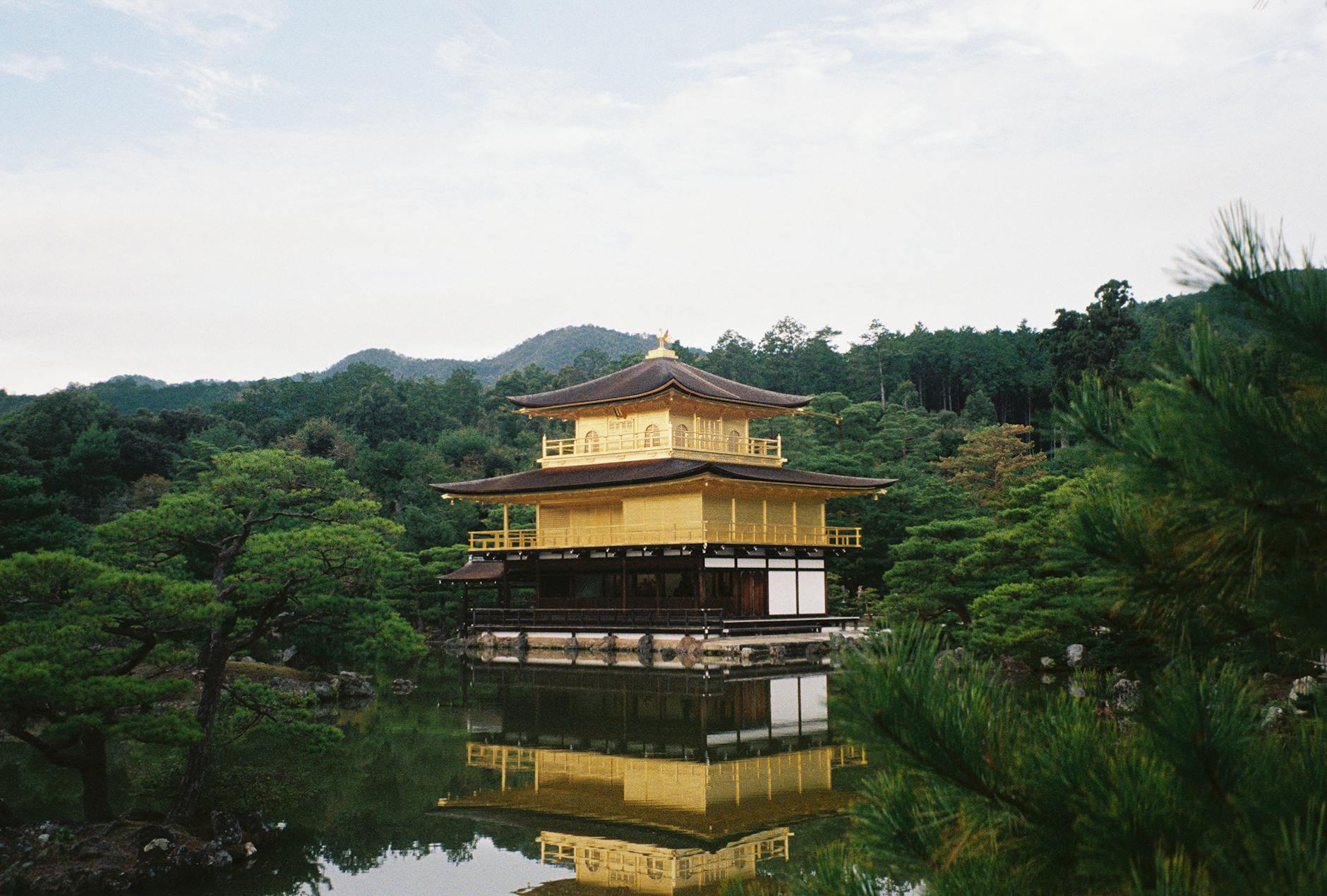
Day 9: Northern Kyoto or Fushimi Inari. Save Fushimi Inari for a weekday evening after 5 PM, when day-trippers have left. The thousands of vermillion torii gates create tunnels of light that feel genuinely spiritual when not shared with hundreds of selfie sticks. Alternative: Kinkaku-ji (Golden Pavilion) in the morning—it's stunning but small; you'll spend 30 minutes there max.
Days 10–12: Osaka — Eat Everything
Osaka residents will tell you their city is friendlier, funnier, and has better food than Tokyo. They're not wrong. This is Japan's working-class heart, where the nightlife starts later and the portions are larger.
Day 10: Central Osaka. Osaka Castle is visually impressive from the outside, but the interior is a modern museum—your call on whether to enter. More interesting: Shinsekai district, a retro-futuristic neighborhood built in 1912 that feels like a Studio Ghibli set. Eat kushikatsu (deep-fried skewers) but know the rule: no double-dipping in the communal sauce.
Day 11: Day trip options.
- Himeji Castle: Japan's most beautiful original castle, 30 minutes by Shinkansen. The white heron design is stunning.
- Kobe: Eat world-famous beef for lunch, ride the cable car up Mount Rokko for views.
- Kurashiki: Charming canal town with art museums, about 45 minutes away.
Day 12: Dotonbori and departure prep. The neon chaos of Dotonbori is essential Osaka—giant mechanical crabs, street food vendors, and enough energy to power a small city. Try takoyaki (octopus balls) from a street stall, then shop in Shinsaibashi. If flying out of Tokyo, take the evening Shinkansen back. If from Osaka (KIX), enjoy a relaxed final evening.
The Money Question: What Japan Actually Costs in 2026
Let's talk numbers. Japan has a reputation for being expensive that hasn't been accurate in years. The yen is weak, tourism infrastructure has expanded, and it's now significantly cheaper than Western Europe.
Here's a realistic daily breakdown per person:
| Category | Budget | Mid-Range | Comfortable |
|---|---|---|---|
| Accommodation | ¥4,000–7,000 | ¥10,000–15,000 | ¥20,000–35,000 |
| Food | ¥3,000–5,000 | ¥6,000–10,000 | ¥12,000–18,000 |
| Transport (local) | ¥800–1,500 | ¥1,500–3,000 | ¥3,000–5,000 |
| Activities | ¥1,000–3,000 | ¥3,000–8,000 | ¥8,000–15,000 |
| Daily Total | ¥8,800–16,500 ($60–110) |
¥20,500–36,000 ($135–240) |
¥43,000–73,000 ($290–490) |
For a 14-day trip, budget travelers can survive on $1,400–1,800 total (excluding flights). Mid-range travelers should plan $2,500–3,500. Those wanting luxury ryokans and kaiseki dinners: $5,000+.
Key cost-saving tips:
- Convenience store meals are legitimately good. 7-Eleven, Lawson, and FamilyMart sell fresh onigiri, salads, and hot foods that put American convenience stores to shame. A ¥400 lunch is normal.
- Skip the JR Pass if following this itinerary. At ¥50,000 for 14 days, you'd need to take the Shinkansen almost daily to break even. Individual tickets Tokyo-Kyoto-Osaka-Tokyo cost about ¥35,000 total.
- Hostels in Japan are exceptional. Clean, safe, often with private pods available. Capsule hotels start around ¥4,000/night.
Practical Tips No One Tells You
Cash is still king. Despite Japan's high-tech reputation, many restaurants and small shops are cash-only. Withdraw from 7-Eleven ATMs (they accept foreign cards) and carry ¥10,000–20,000 at all times.
Get a Suica or Pasmo IC card immediately. These rechargeable transit cards work on virtually all trains, buses, and even in convenience stores. Load ¥2,000–3,000 at a time. You can buy them at any station ticket machine.
Don't tip. It's not expected and can actually create awkwardness. Excellent service is the standard, not something extra.
Trash cans barely exist. Carry a small bag for your garbage. Convenience stores usually have bins.
Be quiet on trains. Phone calls are forbidden. Conversations should be whispered. This is serious social code—respect it.
Download Google Translate's camera feature. Point your phone at Japanese text for instant translation. It works offline if you download the language pack.
Book accommodation early. Japan's tourism has exploded post-2023. Prime hotels in Kyoto and Tokyo fill up 2–3 months ahead, especially during cherry blossom season (late March–early April) and autumn foliage (November).
When to Go (And When to Avoid)
Spring (March–May) and autumn (October–November) are ideal—mild weather and natural beauty. Cherry blossom season is magical but expensive and crowded. Golden Week (late April–early May) sees Japanese domestic travel spike; avoid if possible.
Summer (June–August) is hot and humid, but festivals abound. Winter (December–February) is cold but clear, with fewer tourists and lower prices. Plus: snow monkeys in Nagano.
Is Two Weeks Enough?
No—and that's fine. Japan rewards repeat visits more than almost any country I've traveled. This itinerary gives you the greatest hits, the foundational experiences that help you understand what Japan is about. You'll miss Hokkaido's wilderness, Okinawa's beaches, the Japanese Alps, and hundreds of small towns that each have their own festivals and food specialties.
Consider this your introduction. The Japan you discover will be different from anyone else's, shaped by the ramen shop you stumble into at midnight, the conversation you have with a stranger at a standing sake bar, the temple garden you sit in while rain falls on moss-covered stones.
That's the Japan that stays with you. Start with the Golden Route. The rest will call you back.
Quick Reference: Sample 2-Week Budget
| Expense | Mid-Range Estimate |
|---|---|
| Flights (round-trip from US) | $900–1,400 |
| Accommodation (13 nights) | $1,200–1,800 |
| Food | $700–1,000 |
| Transport (trains, subways) | $300–450 |
| Activities & entrance fees | $300–500 |
| Miscellaneous/shopping | $200–400 |
| Total (per person) | $3,600–5,550 |
Ready to book? Start with flights into Tokyo (Haneda preferred) and out of Osaka (KIX), or reverse. This open-jaw routing saves you a day of backtracking.
What questions do you still have about Japan? Drop them in the comments—I'll do my best to answer based on my own experiences and the collective wisdom of Reddit's Japan travel community.