
Need Help With a 3 Month South America Itinerary? Here's the Complete Route, Budget & Timeline for 2026
Planning a 3-month South America backpacking trip from Colombia to Brazil? This complete guide breaks down the route, daily budgets by country, when to fly vs. bus, and essential tips for ending your journey at Rio Carnival 2026.
I recently came across a post from a solo traveler planning their first big trip to South America. Three months. Starting in December, ending at Carnival in Rio. Colombia, Peru, Bolivia, and Brazil on the list—but no idea how to connect the dots or whether the timeline even makes sense.
Sound familiar? If you're trying to stitch together a South America backpacking route, you're facing one of the most common planning challenges in long-term travel. The continent is enormous. Distances that look manageable on a map can devour days. And the gap between "I want to see everything" and "I have 90 days" is where most itineraries fall apart.
I've spent months analyzing routes, budgets, and logistics across South America. Let me walk you through a realistic 3-month itinerary that hits the highlights without turning your trip into a forced march.
Understanding the Scale of South America
Before we dive into the day-by-day breakdown, you need to grasp what you're working with. South America spans 17.84 million square kilometers—nearly twice the size of Europe. The north-south distance from Colombia to Patagonia is roughly 4,700 kilometers. That's like traveling from London to Dubai.
This matters because travel times here defy intuition. Bogotá to Cartagena is only 660 kilometers but takes 13 to 14 hours by bus. Lima to Cusco is 575 kilometers and requires 20 to 24 hours on the road. The Andes Mountains don't allow for straight lines or fast highways.
Experienced backpackers follow a simple rule: budget 30 to 40 percent of your days for travel. On a 90-day trip, that's 27 to 36 days in transit. Plan for it, or you'll spend your entire trip staring out bus windows.
The Recommended 3-Month Route: Colombia to Brazil
Based on the classic Gringo Trail with a Carnival finale, here's a balanced itinerary that moves you smoothly from the Caribbean coast to the Amazon basin without exhausting your budget or your patience.
Colombia: 3 Weeks (Days 1–21)
Bogotá (3 days) — Start in the capital to acclimate. The altitude sits at 2,640 meters, so give yourself time to adjust. Explore La Candelaria, visit the Gold Museum, and take the cable car up Monserrate for panoramic views. Bogotá has excellent hostels and a growing digital nomad scene if you need to catch up on planning.
Medellín (4 days) — The overnight bus from Bogotá takes 5 to 10 hours depending on road conditions. Medellín has transformed from narco-city to innovation hub. Ride the cable cars through Comuna 13, take day trips to Guatapé's painted town and El Peñol rock, and experience the nightlife in El Poblado or the more local Laureles neighborhood.
Cartagena (3 days) — Fly or take the 13-hour bus north to the Caribbean coast. The walled Old Town is UNESCO-listed and stunning, but tourist prices reflect that. Get lost in the colorful streets, then escape to the nearby Rosario Islands for beaches that actually justify the hype.
Santa Marta & Tayrona National Park (4 days) — Base yourself here for Colombia's best coastal trekking. Tayrona's beaches require hiking through jungle, but Cabo San Juan rewards the effort. Budget travelers can camp; others book eco-lodges. Don't miss the Lost City trek if you have 4 to 5 days—it predates Machu Picchu and sees a fraction of the crowds.
Transport to Ecuador: Cross by land from Ipiales to Tulcán, then bus to Quito. Total journey: 12 to 16 hours including border formalities.
Ecuador: 10 Days (Days 22–31)
Quito (3 days) — The world's highest capital at 2,850 meters. The Old Town is the best-preserved colonial center in South America. Use Quito as a base for the Quilotoa Loop or Cotopaxi National Park if you're hiking-inclined.
Baños (3 days) — The adventure capital of Ecuador. Zip-lining, canyoning, bridge jumping, and the famous Swing at the End of the World. Hot springs here cost pennies and soothe sore hiking muscles.
Cuenca or Guayaquil (2 days) — Cuenca for colonial charm and Panama hat workshops; Guayaquil as a transport hub toward Peru.
Transport to Peru: Overnight bus from Guayaquil to Lima runs 60 to 70 hours—too long for most. Fly instead; budget carriers offer seats from $80 to $120 if booked in advance.
Peru: 4 Weeks (Days 32–59)
Lima (3 days) — Most travelers dislike Lima initially. Give it time. The Miraflores and Barranco districts offer excellent food, street art, and Pacific sunsets. Lima has become South America's culinary capital—budget $10 to $15 for world-class ceviche.
Huacachina (2 days) — The desert oasis town. Sandboarding and dune buggy rides are mandatory. Stay at a hostel with a pool—the desert heat is real.
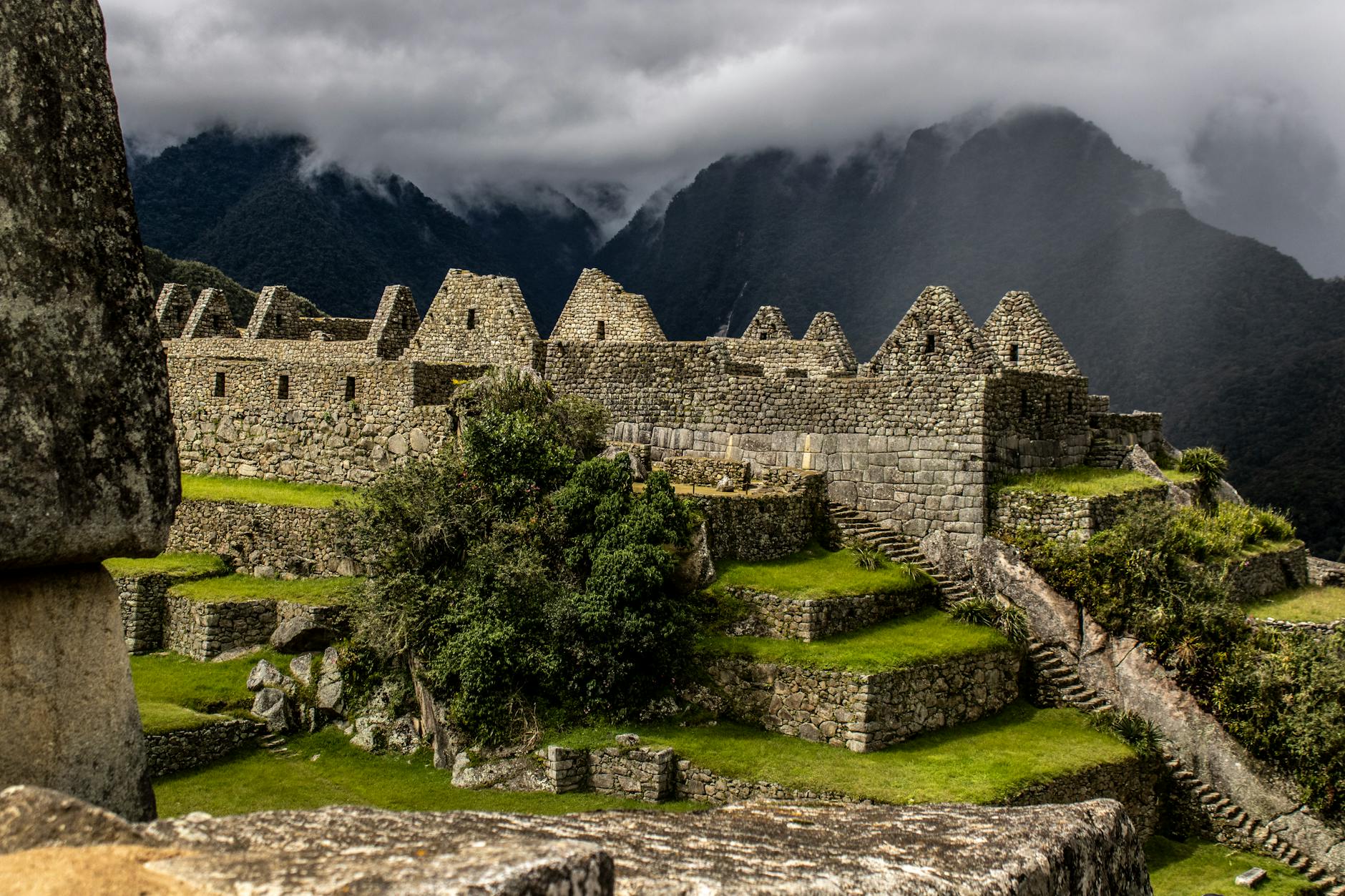
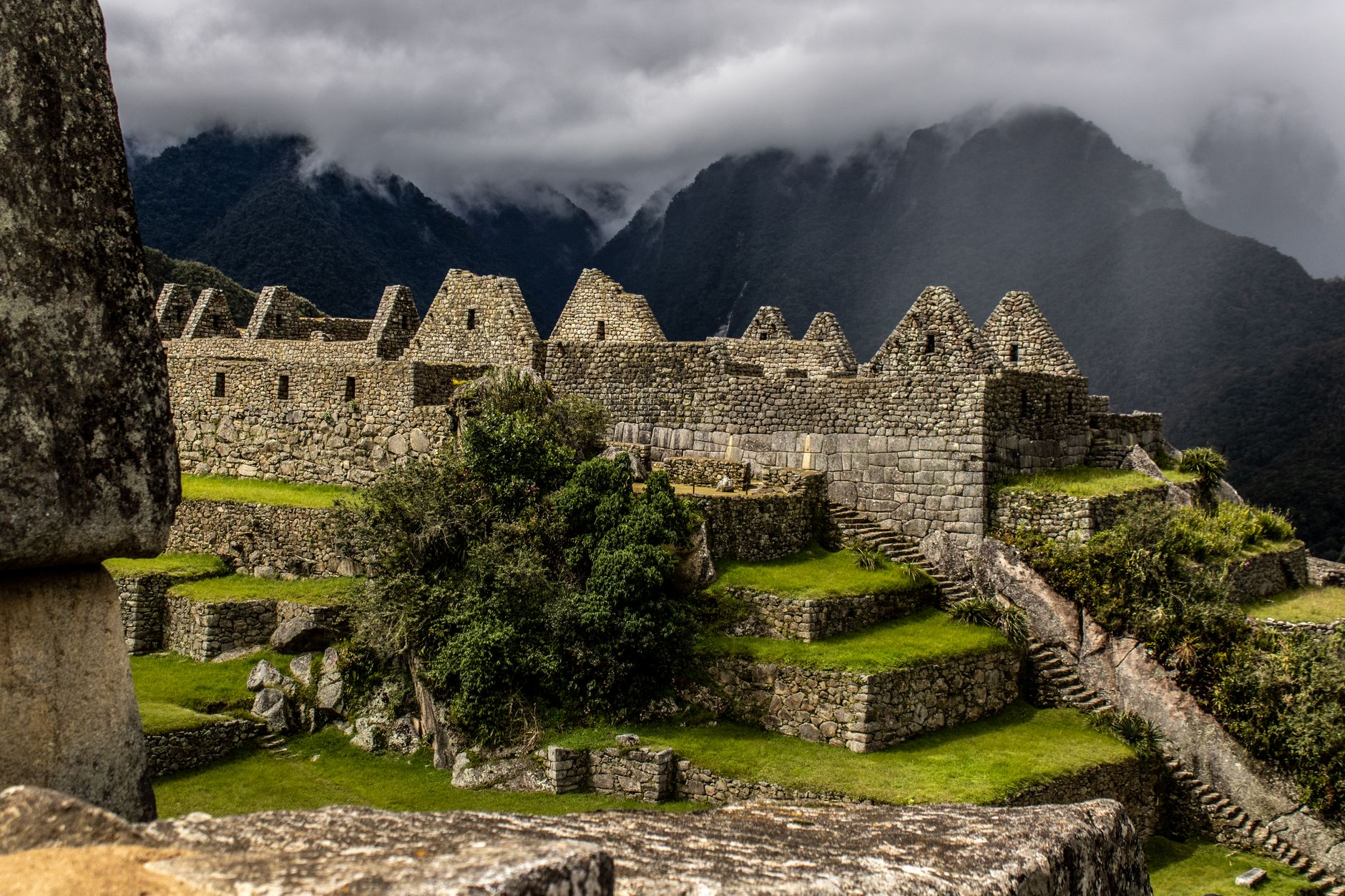
Cusco & Sacred Valley (10 days) — The heart of your Peru experience. Spend 3 days acclimatizing in Cusco itself—this is 3,400 meters and altitude sickness is no joke. From here, tackle the Sacred Valley (Pisac market, Ollantaytambo fortress), then the main event.
Machu Picchu (2–4 days) — Options range from the $50 day trip by train to the 4-day Inca Trail ($600 to $800 with permits). The Salkantay Trek offers similar scenery at half the price. Book Inca Trail permits months in advance; they sell out.
Arequipa & Colca Canyon (5 days) — Arequipa is Peru's most livable city—white volcanic stone architecture, excellent food, and cooler temperatures. Colca Canyon is twice as deep as the Grand Canyon and home to Andean condors.
Transport to Bolivia: Overnight bus from Cusco to Copacabana (10 hours) or Puno (6 hours) then onward to La Paz.
Bolivia: 10 Days (Days 60–69)
La Paz (3 days) — The world's highest capital is chaos in the best way. Ride the cable car network for incredible views, visit the Witches' Market, and cycle the Death Road if your travel insurance covers it.
Salar de Uyuni (3 days) — The world's largest salt flat. Most travelers book 3-day jeep tours from Uyuni that cross into Chile. If you're heading to Brazil instead, do a round-trip tour from Uyuni itself. Costs run $80 to $150 including transport, accommodation, and meals.
Sucre (2 days) — Bolivia's constitutional capital is calmer and more colonial than La Paz. White buildings, pleasant climate, and excellent chocolate shops.
Transport to Brazil: Fly from Santa Cruz to São Paulo or Rio. Overland routes exist but consume 3 to 4 days.
Brazil: 3 Weeks to Carnival (Days 70–90)
São Paulo (3 days) — Brazil's financial capital has world-class museums, incredible food, and a nightlife that starts at midnight. It's also your best entry point for cheap domestic flights.
Iguaçu Falls (3 days) — One of the world's great natural wonders. Stay on the Brazilian side (Foz do Iguaçu) for better value, but visit both sides—the Argentine side offers closer access to the falls themselves.
Rio de Janeiro (remaining days through Carnival) — Save your energy and budget for this. Rio is expensive by South American standards, but Carnival transforms the city into something extraordinary.
Carnival in Rio: What You Need to Know for 2026
Rio Carnival 2026 runs February 13 to 21. If your itinerary ends here, you're timing this perfectly. But Carnival requires serious planning.
Sambadrome tickets start at $20 for grandstand seats and climb to $988 for the Copa Ball at the Copacabana Palace. The Special Group parades—the main event—happen February 15 to 17. Book accommodations 6 months in advance; prices triple and availability disappears.
Street parties (blocos) are free and arguably more fun than the Sambadrome. They start weeks before official Carnival dates and involve millions of people drinking, dancing, and wearing costumes through the streets. These are where you'll find authentic Brazilian celebration.
Budget an extra $50 to $100 per day during Carnival week. Everything costs more—food, transport, accommodation. But it's worth experiencing once.
The Budget Breakdown: Real Numbers for 2026
Based on current costs and recent traveler reports, here's what 3 months actually costs:
Daily Budgets by Country
Colombia: $25 to $35 per day
Hostel dorm: $8 to $12
Meal at local restaurant: $3 to $5
Bus (1 hour): $2 to $4
Ecuador: $20 to $30 per day
Hostel dorm: $6 to $10
Meal: $2.50 to $4
Activities (adventure sports): $20 to $40
Peru: $25 to $40 per day
Hostel dorm: $7 to $12
Meal: $3 to $6
Machu Picchu day trip: $150 to $300
Inca Trail (4 days): $600 to $800
Bolivia: $15 to $25 per day
Hostel dorm: $5 to $8
Meal: $2 to $4
Uyuni salt flat tour (3 days): $80 to $150
Brazil: $40 to $60 per day (double during Carnival)
Hostel dorm: $12 to $20
Meal: $6 to $12
Iguaçu entrance: $25
Total 3-Month Budget Estimates
Ultra-budget backpacker: $2,500 to $3,000
Dorm beds only, cooking most meals, minimal activities, overland transport only
Comfortable backpacker: $3,500 to $4,500
Mix of dorms and private rooms, eating out regularly, key activities included, some flights
Comfortable with major activities: $4,500 to $6,000
Includes Inca Trail, Amazon tours, Galápagos day trip, Sambadrome tickets
Recent travelers reported spending €1,500 per month ($1,600 to $1,700) for comfortable travel as a couple—roughly $800 to $850 per person monthly when splitting accommodation costs.
Transportation Strategy: When to Fly vs. Bus
South America's bus network is extensive and affordable, but time is your most limited resource. Here's when to spend the extra money on flights:
Definitely fly:
Guayaquil to Lima (60+ hours by bus vs. 3.5 hours flying)
La Paz to São Paulo (overland takes 3+ days)
Any route involving Patagonia
Definitely bus:
Bogotá to Medellín (scenic, manageable 5 to 10 hours)
Cusco to La Paz (cultural experience, overnight saves accommodation)
São Paulo to Rio (6 to 7 hours, frequent departures)
Either works:
Lima to Cusco (fly for time, bus for budget and acclimatization)
Rio to Iguaçu (fly for convenience, bus for savings)
Domestic flights in South America range from $40 to $150 when booked 2 to 4 weeks ahead. Budget airlines include Viva Air, Sky Airline, and Azul.
Practical Tips for First-Time South America Backpackers
Learn Spanish before you arrive. English penetration is low outside major tourist centers. Even basic Spanish opens doors, lowers prices, and keeps you safer. Portuguese for Brazil—don't assume Spanish will work there.
Altitude is real. Cusco, La Paz, and Quito all sit above 2,800 meters. Symptoms include headaches, fatigue, and nausea. Coca tea helps. Don't plan strenuous activities for your first 48 hours at altitude.
Safety varies by neighborhood, not just city. Medellín's El Poblado is safer than many European cities. Its city center requires caution after dark. Research neighborhood-specific advice, not just country-level warnings.
Pack light. You'll be hauling your bag onto buses, up hostel stairs, and through cobblestone streets. A 40 to 50 liter backpack is plenty. Pack for layering—temperatures range from tropical humidity to near-freezing nights in the Andes.
Get travel insurance that covers adventure activities. The Death Road, sandboarding, and trekking all carry real risks. Standard policies often exclude these. World Nomads and SafetyWing are popular with long-term backpackers.
Alternative Routes Worth Considering
If this itinerary doesn't match your interests, here are proven alternatives:
The Andes Route: Colombia → Ecuador → Peru → Bolivia → Chile (Atacama Desert) → Argentina (Mendoza, Buenos Aires). Skip Brazil entirely and end in Buenos Aires or Ushuaia.
The Beach Route: Focus on Colombia's Caribbean coast, Ecuador's beaches, Máncora in northern Peru, and Brazil's coast from Fortaleza to Rio. Less trekking, more surfing and sunsets.
The Southern Cone: Fly to Buenos Aires, explore Patagonia (El Calafate, Torres del Paine), cross to Chile, end in Santiago. Best for hikers with bigger budgets—Patagonia is stunning but expensive.
Final Thoughts: Making Your Decision
Three months sounds like forever until you're trying to fit an entire continent into it. The itinerary I've outlined covers roughly 6,000 kilometers and includes 15 to 20 major destinations. It's full but not rushed.
The key insight from experienced South America backpackers: don't try to see everything. The continent rewards depth over breadth. Spending a week in one place, learning the neighborhood cafes, and making local friends beats ticking off Instagram locations.
Your original instinct—Colombia, Peru, Bolivia, Brazil—works beautifully. The geography flows naturally. The cultures shift gradually from Andean to Amazonian. And ending at Carnival provides a finale worth every overpriced caipirinha.
Book that one-way ticket to Bogotá. The rest will figure itself out on the road—it always does.
Sources
- Latin America Backpacking — South America Backpacking Route: 3 Months Itinerary
- Packportz — How Much to Backpack South America for 3 Months: Ultimate Budget Guide (February 2026)
- The Daily Packers — Cost to Travel South America, Our 3-month Budget Breakdown (October 2025)
- Latin Discoveries — South America Travel Distances Explained: How Far Is Everything Really?
- INFOBUS — Your Guide to Rio Carnival 2026 – Dates, Tickets & Tips