
Thailand and Vietnam Itinerary: How to Plan the Perfect 3-Week Backpacking Route
The classic Southeast Asia backpacking route: how to split 3 weeks between Thailand and Vietnam without rushing. Includes real 2026 costs, transport options, and practical itinerary advice.
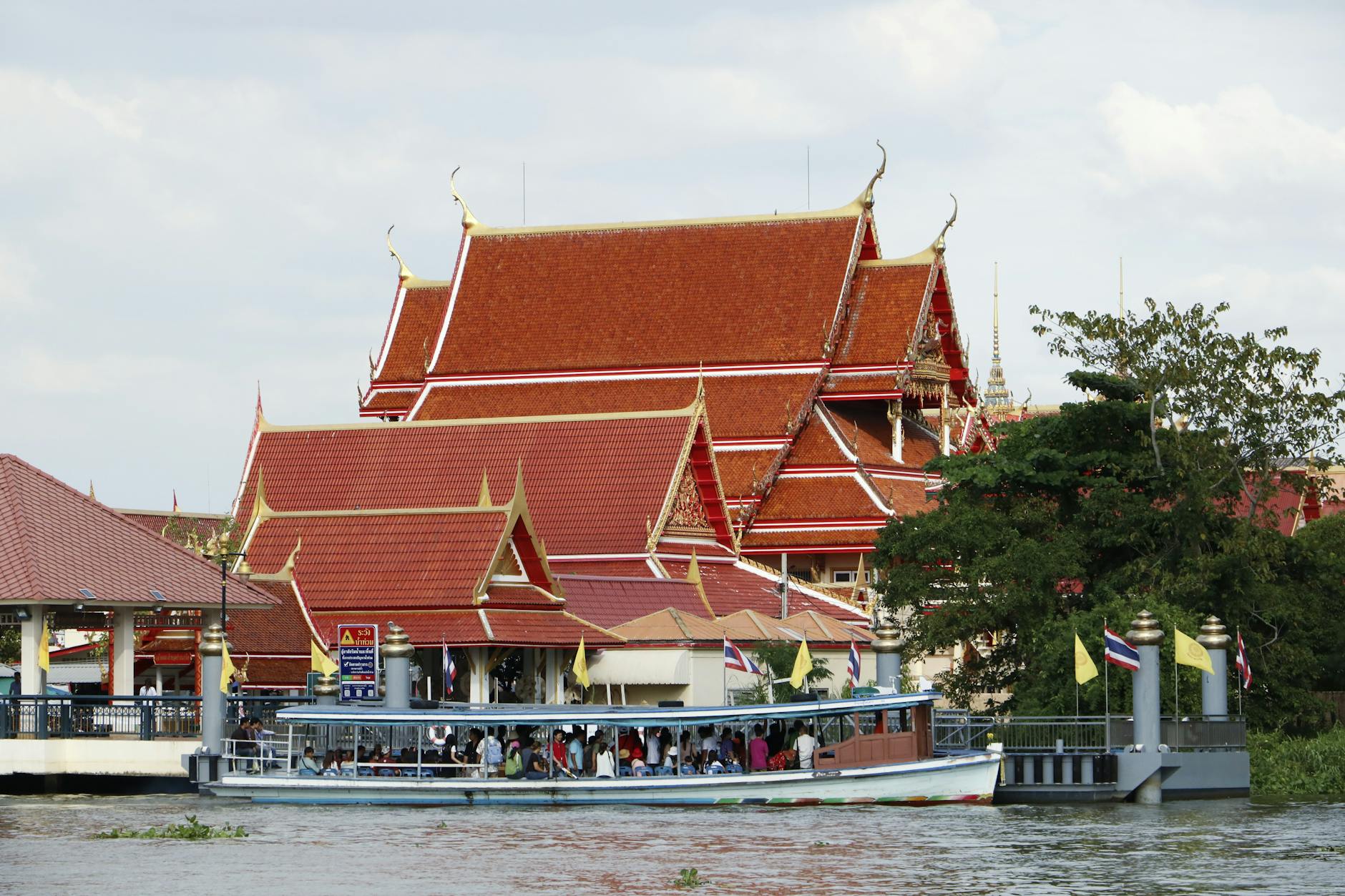
You have three weeks. Two countries. One epic Southeast Asia adventure. If you are staring at a map wondering how to split your time between Thailand and Vietnam, you are asking exactly the right question. This is the classic backpacking route that first-time Southeast Asia travelers have been perfecting for decades.
I have seen too many travelers rush through both countries in a blur of overnight buses and missed connections. Others spend three weeks in Thailand alone and never make it to Vietnam at all. The sweet spot? A balanced itinerary that gives you enough time in each country to actually experience it, without feeling like you are constantly sprinting to the next bus station.
This guide breaks down exactly how to structure your Thailand and Vietnam itinerary, where to go, how to get there, and what it will actually cost you in 2026.
The Case for Three Weeks
Three weeks is the minimum I recommend for doing both countries justice. Anything less and you are essentially airport-hopping. With 21 days, you can spend roughly 10-11 days in each country, which gives you enough time to see three or four meaningful destinations per country without constantly packing your bag.
The route I am recommending follows a natural geographic flow: starting in Bangkok, moving north through Thailand, crossing into Laos or flying directly to Vietnam, then working your way south through Vietnam before flying out of Ho Chi Minh City. You can reverse this direction if you find cheaper flights, but this north-to-south flow works with the weather patterns and traveler currents.
Week 1: Thailand's North
Days 1-3: Bangkok
Start in Bangkok. Yes, it is chaotic. Yes, the traffic is maddening. But skipping Bangkok is like skipping the overture at an opera—you miss the context that makes everything else make sense.
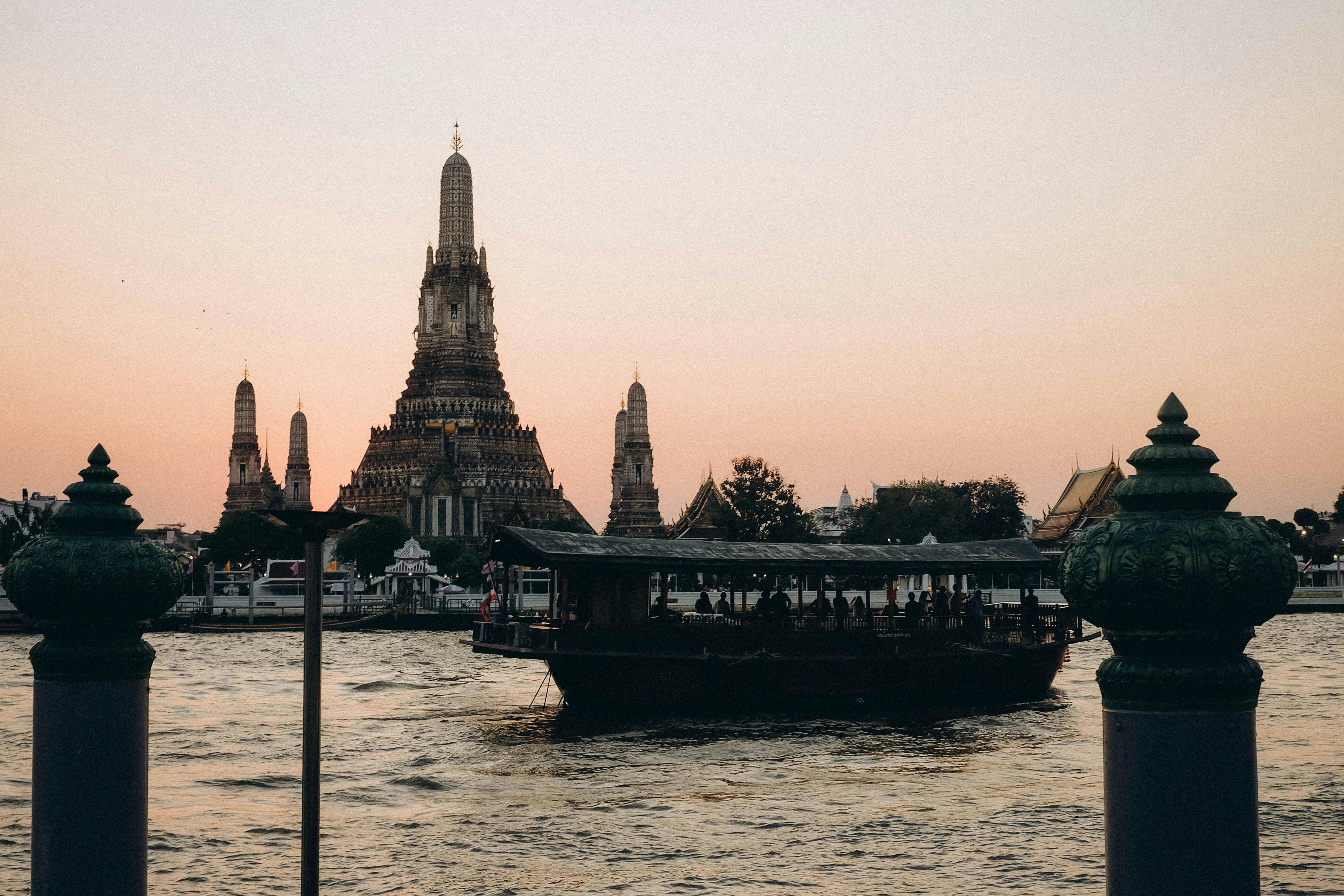
Stay in the Khao San Road area if you want the classic backpacker scene, or venture to Ari or Thonglor if you prefer something more local. The Grand Palace and Wat Pho are non-negotiable stops, but do them early morning before the tour buses arrive. The real Bangkok magic happens in the evening at places like the Ratchada Train Night Market or along the canals of Thonburi.
Budget reality check: Dorm beds run $8-15 USD per night. Street food meals are $1-3. A tuk-tuk ride across the city should cost $3-5 if you negotiate firmly. Budget $40-50 per day in Bangkok if you are being careful.
Days 4-7: Chiang Mai and Pai
Take the overnight train from Bangkok to Chiang Mai. It is a classic Southeast Asia travel experience, and sleeper berths cost around $25-35 USD. Book a few days ahead during high season (November-February).
Chiang Mai is Thailand's cultural capital. The Old City temples, the Sunday Walking Street market, and the mountain views from Doi Suthep are all worth your time. But the real magic happens when you rent a scooter and explore the surrounding countryside.
From Chiang Mai, make the three-hour journey to Pai. The road has 762 curves, so take motion sickness pills if you are prone. Pai is a small town that has become a backpacker haven, but it still retains its charm. Hot springs, waterfalls, and canyon sunsets are all accessible by scooter.
Budget reality check: Chiang Mai is cheaper than Bangkok. Dorm beds are $6-10, private rooms $15-25. Pai is even cheaper. Budget $30-40 per day in Northern Thailand.
The Thailand-Vietnam Connection
Here is where you have a decision to make. You have several options to get from Thailand to Vietnam:
Option 1: The Slow Route Through Laos
Take a bus from Chiang Mai to the border, cross into Laos, spend a few days in Luang Prabang, then continue to Vietnam. This adds at least 4-5 days to your itinerary but breaks up the journey beautifully.
Option 2: The Flight
Fly from Chiang Mai to Hanoi on VietJet Air or AirAsia. This costs $80-150 USD and takes about 90 minutes. It is the efficient choice if you are short on time.
Option 3: The Overland Marathon
Bus from Chiang Mai back to Bangkok, then take a series of buses through Cambodia to Ho Chi Minh City. This is for masochists and people with unlimited time.
For a three-week itinerary, I recommend Option 2. Fly from Chiang Mai to Hanoi and use those saved days to explore Vietnam properly.
Week 2: Northern Vietnam
Days 8-10: Hanoi
Hanoi hits different than Bangkok. The French colonial architecture, the thousand-year-old temples, and the motorbike chaos all blend into something uniquely Vietnamese. The Old Quarter is touristy but essential. The real Hanoi is found in the sidewalk cafes where locals drink bia hoi (fresh beer) on plastic stools.
Spend a full day exploring the temples and pagodas, particularly the Temple of Literature and Ngoc Son Temple on Hoan Kiem Lake. Take a food tour. Vietnamese cuisine varies dramatically by region, and Hanoi is the home of pho, bun cha, and egg coffee.
Budget reality check: Hanoi is cheap. Dorm beds are $5-10, meals are $2-4. You can live comfortably on $25-35 per day.
Days 11-13: Ha Long Bay
The Ha Long Bay cruise is the most touristy thing you will do on this entire trip. It is also completely worth it. Thousands of limestone karsts rising from emerald waters create one of the most surreal landscapes on Earth.
Do not book the cheapest $50 cruise you can find. Those are day trips with 50 other people on a boat that smells like diesel. Spend $120-180 on a two-day, one-night cruise with a reputable operator like Oasis Bay or Pelican. You will get your own cabin, decent food, kayaking, and access to less-crowded parts of the bay.
Most cruises include transport from Hanoi, so this is an easy add-on to your itinerary.
Week 3: Central and Southern Vietnam
Days 14-16: Hoi An
From Hanoi, take the overnight sleeper bus or train to Hoi An. Yes, it is a long journey—about 14-16 hours—but Vietnamese sleeper buses are surprisingly comfortable, with reclining seats and blankets provided.
Hoi An is the highlight of Central Vietnam. The UNESCO-listed Old Town is a perfectly preserved trading port with lantern-lit streets, tailor shops, and some of the best food in the country. Cao lau noodles and white rose dumplings are local specialties you cannot find elsewhere.
Rent a bicycle and ride to An Bang Beach. Take a cooking class. Get clothes tailored (a suit can cost $100-150). Hoi An is the place to slow down and enjoy the journey.
Budget reality check: Hoi An is slightly more expensive than Hanoi due to tourism. Budget $30-45 per day.
Days 17-19: Ho Chi Minh City
Fly or take the bus from Da Nang (near Hoi An) to Ho Chi Minh City. The flight is $30-50 and takes an hour. The bus is cheaper but takes 20 hours.
Ho Chi Minh City—still called Saigon by locals—is Vietnam's economic engine. It is hotter, busier, and more aggressive than Hanoi. The War Remnants Museum is essential but emotionally difficult. The Cu Chi Tunnels day trip gives perspective on the Vietnam War from the Vietnamese side.
Spend your evenings in District 1 for the backpacker scene, or District 3 for something more local. The street food here is phenomenal and ridiculously cheap.
Budget reality check: Similar to Hanoi. Budget $25-35 per day.
Days 20-21: Mekong Delta or Departure
If you have a full 21 days, spend your final two days on a Mekong Delta homestay. You will ride boats through floating markets, sleep in a local home, and see a side of Vietnam that most tourists miss. Tours cost $40-60 including transport, accommodation, and meals.
Alternatively, use these days as a buffer. Southeast Asia travel always takes longer than you expect. Missed buses, delayed flights, and spontaneous decisions to stay somewhere an extra day are all part of the experience.
Real Numbers: What This Trip Actually Costs
Everyone wants to know the budget. Here is the honest breakdown for a 3-week Thailand and Vietnam backpacking trip in 2026:
Accommodation: $8-15 per night for hostel dorms, $20-30 for private rooms. Expect to pay more in Bangkok and touristy spots like Ha Long Bay. Budget $250-350 total for accommodation.
Food: Street food is $1-4 per meal. Restaurant meals are $5-10. Western food is $8-15. If you eat local, budget $15-20 per day for food. Total: $315-420.
Transport: The sleeper train Bangkok to Chiang Mai ($30), flight Chiang Mai to Hanoi ($100), Ha Long Bay cruise ($150), transport within Vietnam ($100), flight home from Ho Chi Minh City. Budget $400-500 for transport between destinations.
Activities: Temple entries ($2-5), cooking classes ($25-40), Mekong Delta tour ($50). Budget $150-250.
Total realistic budget: $1,200-1,600 USD for three weeks, not including your international flight. You can do it cheaper if you are strict about hostels and street food. You can easily spend double if you want hotels and restaurant meals.
Practical Tips for This Route
Visas: Most Western travelers get visa-free entry to Thailand for 30-60 days depending on nationality. Vietnam requires an e-visa ($25) for most nationalities, valid for 90 days. Apply online at least a week before arrival.
Best time to go: November to February is the dry season in both countries. It is also peak tourist season. March-April is hotter but less crowded. May-October is monsoon season—cheaper and quieter, but expect rain.
Health: Get travel insurance. Vietnam's traffic is chaotic and accidents happen. Bring Imodium and rehydration salts. The food is generally safe, but your stomach will need time to adjust.
Money: Thailand uses the baht. Vietnam uses the dong. Both countries are still heavily cash-based, though cards work in major cities. Bring a debit card with no foreign transaction fees and withdraw local currency from ATMs.
Packing: Pack light. You will be living out of a backpack for three weeks. Quick-dry clothing, a light rain jacket, and comfortable walking shoes are essentials. You can buy anything you forget for cheap in Bangkok or Hanoi.
The Verdict: Is Three Weeks Enough?
Three weeks for Thailand and Vietnam is tight but doable. You will not see everything. You will miss the islands of Southern Thailand, the rice terraces of Sapa, the beaches of Mui Ne. But you will see enough to understand why people fall in love with Southeast Asia and keep coming back.
This itinerary hits the highlights while keeping travel days reasonable. It balances cities with nature, culture with relaxation, and planned activities with free time to wander. Most importantly, it gives you a taste of two incredible countries without burning you out.
The Thailand and Vietnam route has been a backpacker rite of passage for good reason. It is affordable, accessible, and endlessly fascinating. Start planning your trip. The pho and pad thai are waiting.