
First Time in Italy? Here's the Perfect 2-Week Itinerary (With Real Costs)
Planning your first trip to Italy? This comprehensive 2-week itinerary takes you from Venice's canals to the Amalfi Coast with real 2026 costs, train logistics, and insider tips.
So you're planning your first trip to Italy and wondering how to fit the best of la dolce vita into just two weeks. It's a question that pops up constantly on Reddit's r/ItalyTravel and r/travel—"Is two weeks enough for Italy?" The short answer: absolutely, if you plan smart.
After diving into countless traveler reports, budget breakdowns, and train schedules, I've put together the definitive 2-week Italy itinerary that hits the iconic highlights without leaving you exhausted. This route takes you from the canals of Venice down to the sun-soaked Amalfi Coast, covering six incredible destinations with practical logistics and real 2026 costs.
The Perfect 2-Week Italy Route
This itinerary flows logically from north to south, minimizing backtracking and maximizing your time. You'll travel by Italy's excellent high-speed rail network, which connects all major cities in just a few hours.
Days 1-2: Venice — The Floating City
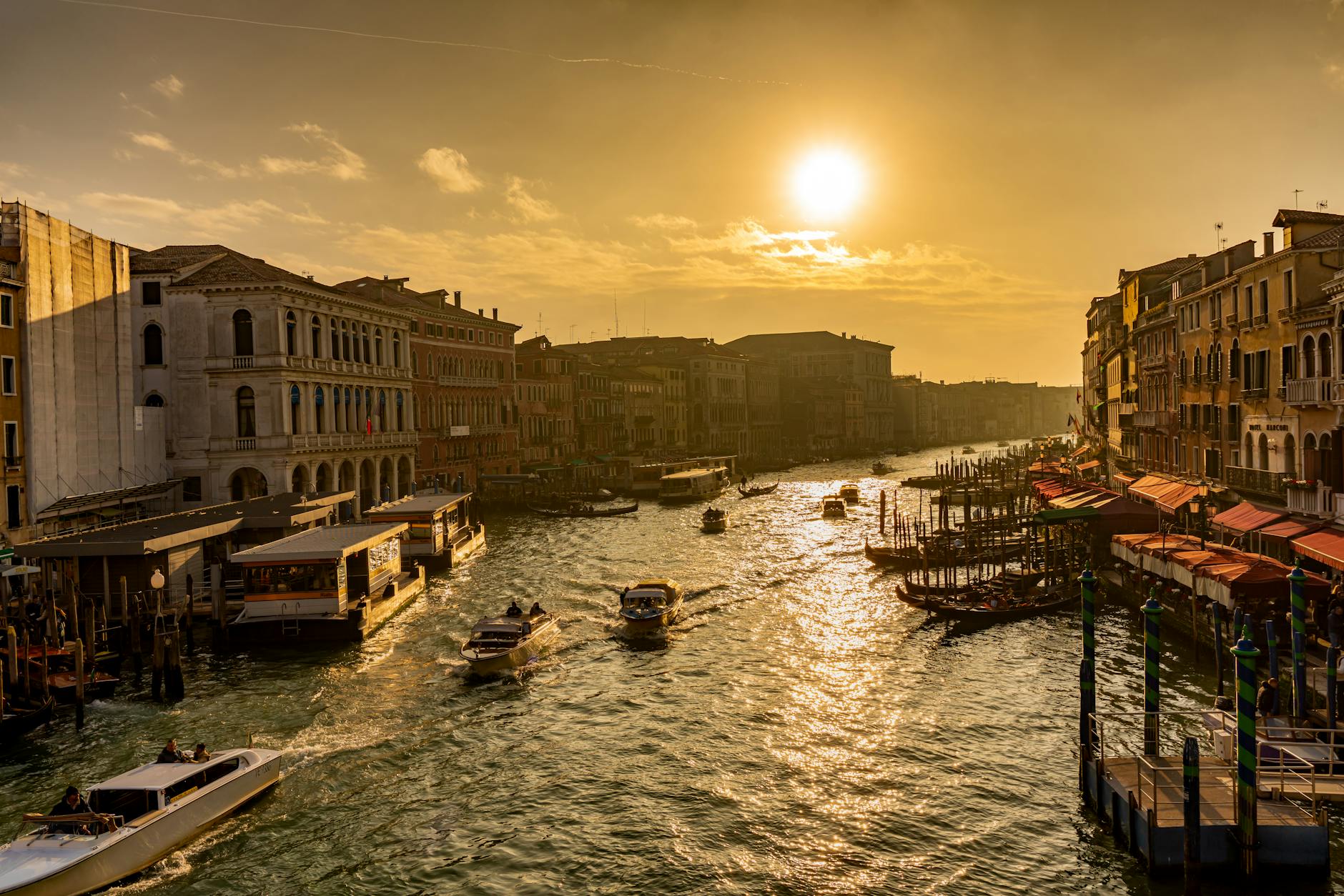
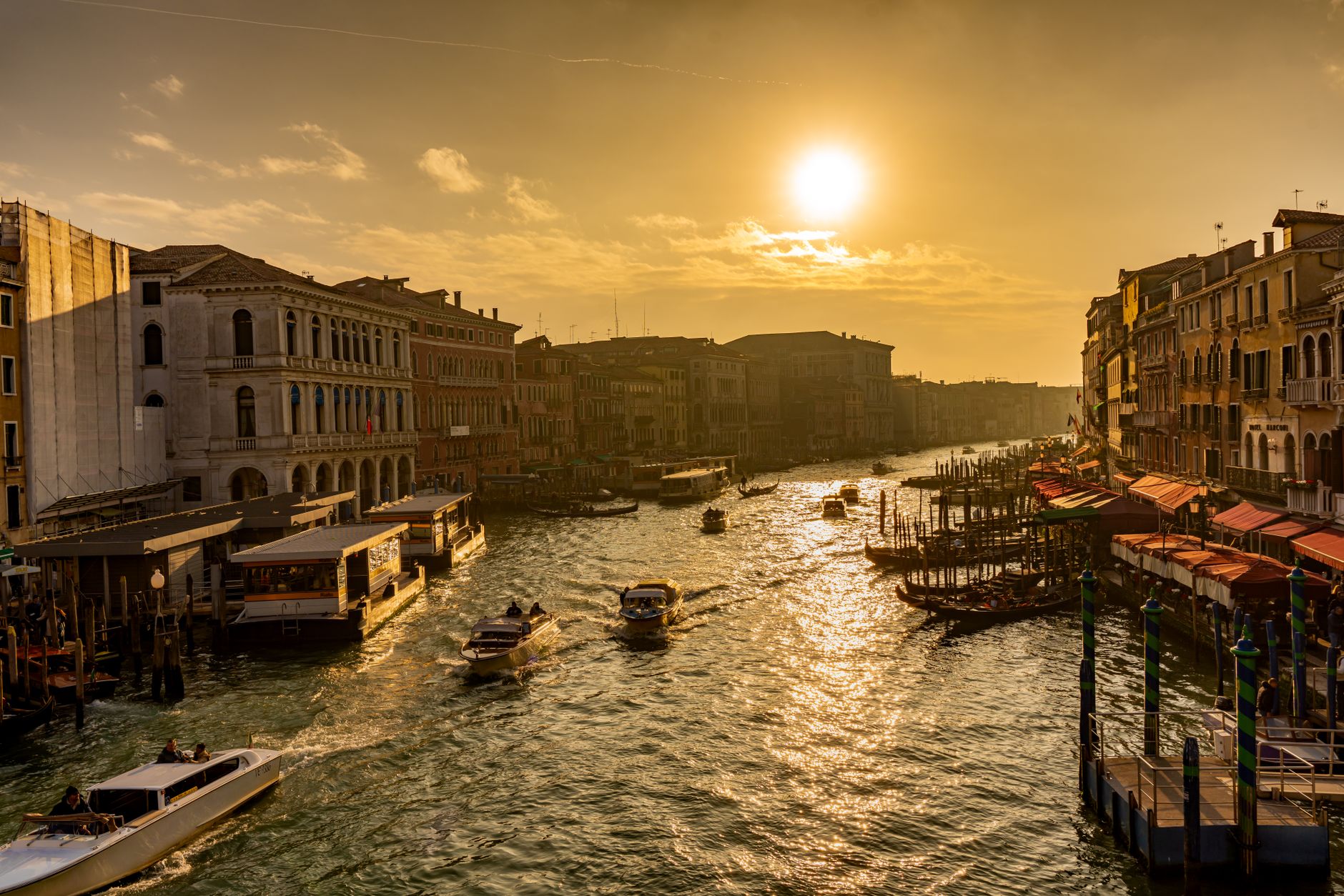
Start in Venice, arguably the most unique city in the world. Built on 118 small islands connected by over 400 bridges, Venice feels like stepping into a dream.
Must-see highlights:
- St. Mark's Square (Piazza San Marco) and Basilica
- Doge's Palace — book skip-the-line tickets in advance (€30)
- Rialto Bridge at sunset
- Gondola ride (€80 for 30 minutes, split among up to 6 people)
- Day trip to Murano (glass-making) and Burano (colorful houses)
Insider tip: Get lost intentionally. The magic of Venice happens in the quiet backstreets away from the tourist crowds near St. Mark's. Carry a offline map—GPS can get confused among the narrow canals.
Accommodation budget: €80-150/night for mid-range hotels in Cannaregio or Dorsoduro (away from the busiest areas but still central).
Days 3-4: Bologna — Italy's Food Capital
Many first-timers skip Bologna, but that's a mistake. This university city (the oldest in Europe, founded 1088) is considered Italy's gastronomic heart.
Why Bologna deserves 2 days:
- Authentic food scene without tourist markups
- The medieval porticoes (over 40km of covered walkways)
- Piazza Maggiore and the Two Towers (Torre degli Asinelli)
- Day trip option to Parma (prosciutto and parmesan) or Modena (balsamic vinegar)
Eat here: Tagliatelle al ragù (what Americans call "spaghetti bolognese"—but never order that name here), mortadella, tortellini in brodo. A food tour runs €65-85 and is worth every penny.
Train from Venice: 1.5 hours on Frecciarossa high-speed train (€25-45 depending on when you book).
Days 5-7: Florence — Cradle of the Renaissance
Three days in Florence gives you time to see the masterpieces without rushing. This compact city is walkable and packed with world-class art.
Essential experiences:
- Uffizi Gallery — book weeks ahead (€20 + €4 booking fee)
- Accademia Gallery to see Michelangelo's David (€16)
- Duomo complex — climb the dome for panoramic views (€30 combined ticket)
- Ponte Vecchio at golden hour
- Sunset from Piazzale Michelangelo (free, but bring wine)
Day trip option: Siena and San Gimignano in Tuscany (guided tour €65-85, or DIY by bus for under €20).
Warning: Florence is extremely crowded March through October. Start your museum visits right when they open (8:15 AM) to beat the tour groups.
Days 8-10: Rome — The Eternal City
Rome deserves at least three full days—there's simply that much to see. The good news: many iconic sights are free or inexpensive.
Priority sights:
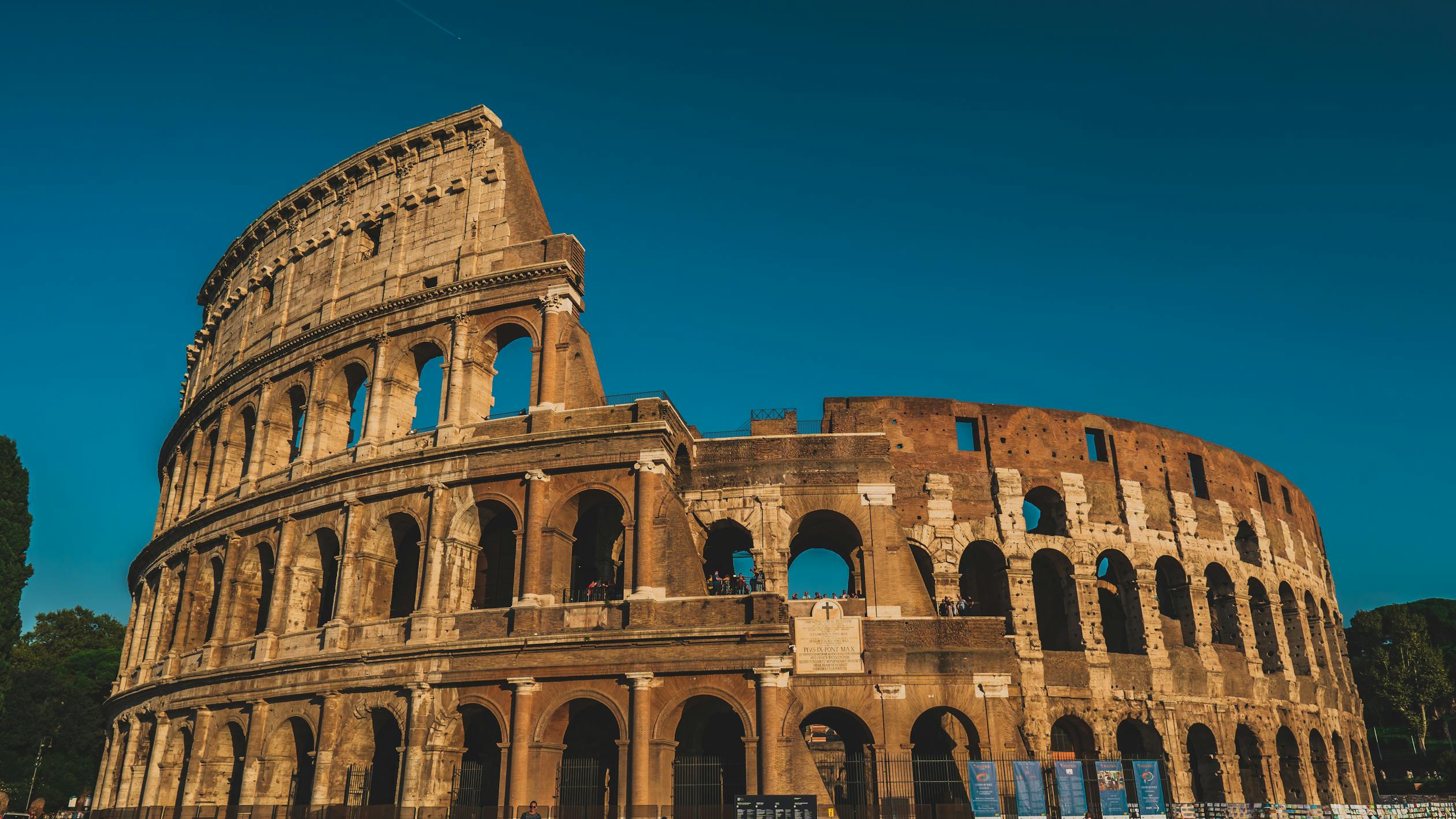
- Colosseum, Roman Forum, and Palatine Hill (combined ticket €16 + €2 booking fee)
- Vatican Museums and Sistine Chapel (€17 + €5 online fee—book mandatory time slots)
- Pantheon (free, but timed entry required)
- Trevi Fountain and Spanish Steps (both free)
- Trastevere neighborhood for evening aperitivo
2026 updates: Rome has introduced new entry fees for some previously free sites. Check the official tourism website before your trip. Also, expect airport-style security at major attractions—arrive early.
Local hack: The €7.50 "Roma 24h" metro pass covers buses and trains. Rome's metro is limited but connects major sites. Walking is often faster than taxis in the historic center.
Days 11-12: Naples — Authentic Italy
Naples divides travelers. Some find it chaotic and gritty; others fall in love with its unfiltered energy. I recommend at least a day and a half here before heading to the coast.
Why stop in Naples:
- The birthplace of pizza (L'Antica Pizzeria da Michele is the famous one, but Da Sorbillo is less crowded and equally good)
- National Archaeological Museum (houses artifacts from Pompeii)
- Spaccanapoli street — the "strip" of historic Naples
- Underground Naples tour (€15)
Day trip to Pompeii: The Circumvesuviana train from Naples takes 40 minutes (€3.30 each way). Pompeii entry is €16. It's a full-day commitment but absolutely worth it.
Safety note: Naples has a reputation for petty theft. Keep your phone in your front pocket on the metro, and don't wear obvious tourist gear (fanny packs, money belts visible).
Days 13-14: Amalfi Coast — The Grand Finale
End your trip in Positano or Amalfi, where dramatic cliffs meet turquoise water. It's expensive, but after budgeting carefully through the rest of Italy, you've earned two days of pure beauty.
Base yourself in:
- Positano: The postcard views you've seen on Instagram. Most expensive but stunning.
- Amalfi town: More affordable, better transport connections, still beautiful.
- Praiano: The budget-friendly alternative between Positano and Amalfi.
Getting there from Naples: The SITA bus (€2.20) or ferry (€15-25 depending on season). The ferry is worth the extra cost—views from the water are spectacular.
Budget reality check: Dinner in Positano easily runs €50-80 per person. Stock up on groceries in Naples and make your own breakfast/lunch. Hotels here start around €120/night in shoulder season, doubling in July-August.
Italy 2-Week Budget Breakdown (2026)
Here are realistic daily costs per person, excluding international flights:
| Category | Budget | Mid-Range | Comfortable |
|---|---|---|---|
| Accommodation (per night) | €35-50 (hostels/budget B&Bs) | €80-120 (3-star hotels) | €150-250 (boutique hotels) |
| Meals (per day) | €25-35 (markets, pizza, panini) | €50-70 (restaurants, one splurge) | €90-120 (fine dining, wine) |
| Attractions (per day) | €15-25 | €30-50 | €60-100 |
| Transport (inter-city) | €100-150 total | €150-200 total | €200-300 total |
| Total for 14 days | €1,100-1,500 | €2,200-3,000 | €4,200-6,000 |
Money-Saving Tips
- Book trains early: Trenitalia and Italo release tickets 4 months ahead. Rome-Florence can be €45 same-day or €19 booked in advance.
- Eat the Italian way: Big lunch (pranzo), light dinner (cena). Many restaurants offer affordable lunch menus (€12-18).
- Skip the coperto confusion: The "coperto" (cover charge, €1-3 per person) is normal. It's not a tourist scam—just Italian dining culture.
- Free museum days: Many state museums are free the first Sunday of each month.
- Water fountains: Rome and Florence have free drinking water fountains everywhere. Bring a reusable bottle.

Train Travel: Your Best Friend
Italy's train system is excellent for tourists. Here's what you need to know:
Trenitalia vs. Italo: Both are reliable. Trenitalia has more routes; Italo is sometimes slightly cheaper. Compare prices on both sites before booking.
Key journey times:
- Venice → Bologna: 1h 30m (€25-45)
- Bologna → Florence: 35 minutes (€15-30)
- Florence → Rome: 1h 30m (€20-45)
- Rome → Naples: 1h 10m (€15-35)
Rail passes: The Eurail Italy Pass starts at €127 for 3 days. Do the math—if you're taking 4+ train journeys, it might save money. Otherwise, point-to-point tickets are usually cheaper.
When to Visit Italy
Best overall: April-May and September-October. Pleasant weather, fewer crowds, reasonable prices.
Summer (June-August): Hot (35°C/95°F in Rome and Florence), crowded, expensive. But everything is open and the coastal areas are at their best.
Winter: Great for cities (Rome, Florence) with fewer tourists. Venice can flood (acqua alta), and the Amalfi Coast has limited ferry service.
Practical Tips for First-Timers
- Validate train tickets: Before boarding regional trains, stamp your ticket at the yellow machines on the platform. High-speed tickets don't need validation.
- Restaurant timing: Italians eat lunch 12:30-2:30 PM, dinner 8:00-10:00 PM. Many restaurants close between 3-7 PM.
- Cash vs. card: Most places take cards, but small cafés and some trattorias are cash-only. Keep €50-100 in cash per day.
- Tipping: Not expected. Round up or leave 5-10% for exceptional service.
- Pickpockets: Active at major tourist sites and on crowded public transport. Use a crossbody bag worn in front.
Final Thoughts
Two weeks in Italy isn't enough to see everything—but it's enough to fall in love with the country. This itinerary balances iconic sights with authentic experiences, giving you a taste of Italy's incredible diversity: the romantic canals of Venice, the Renaissance art of Florence, the ancient history of Rome, and the jaw-dropping beauty of the Amalfi Coast.
The most important advice? Don't try to do too much. Italy rewards slow travel. Sit in a piazza with a spritz. Wander down streets that aren't in your guidebook. Chat with the barista at your morning coffee spot. Those unplanned moments often become the best memories.
Buon viaggio!
Sources
- Urban Abroad - 2 Week Italy Itinerary 2026
- That Travelista - Ultimate Two Week Italy Itinerary
- Seat61 - Train Travel in Italy Guide 2026
- Simbye - Italy Trip Cost 2026
- Trenitalia - Trenitalia Pass Options