
Best Time to Visit Vietnam 2026: A Month-by-Month Guide for Every Region
Vietnam stretches 1,000+ miles with three distinct climate zones. Learn the optimal months for Halong Bay cruises, Sapa trekking, and southern beaches in our comprehensive seasonal guide.
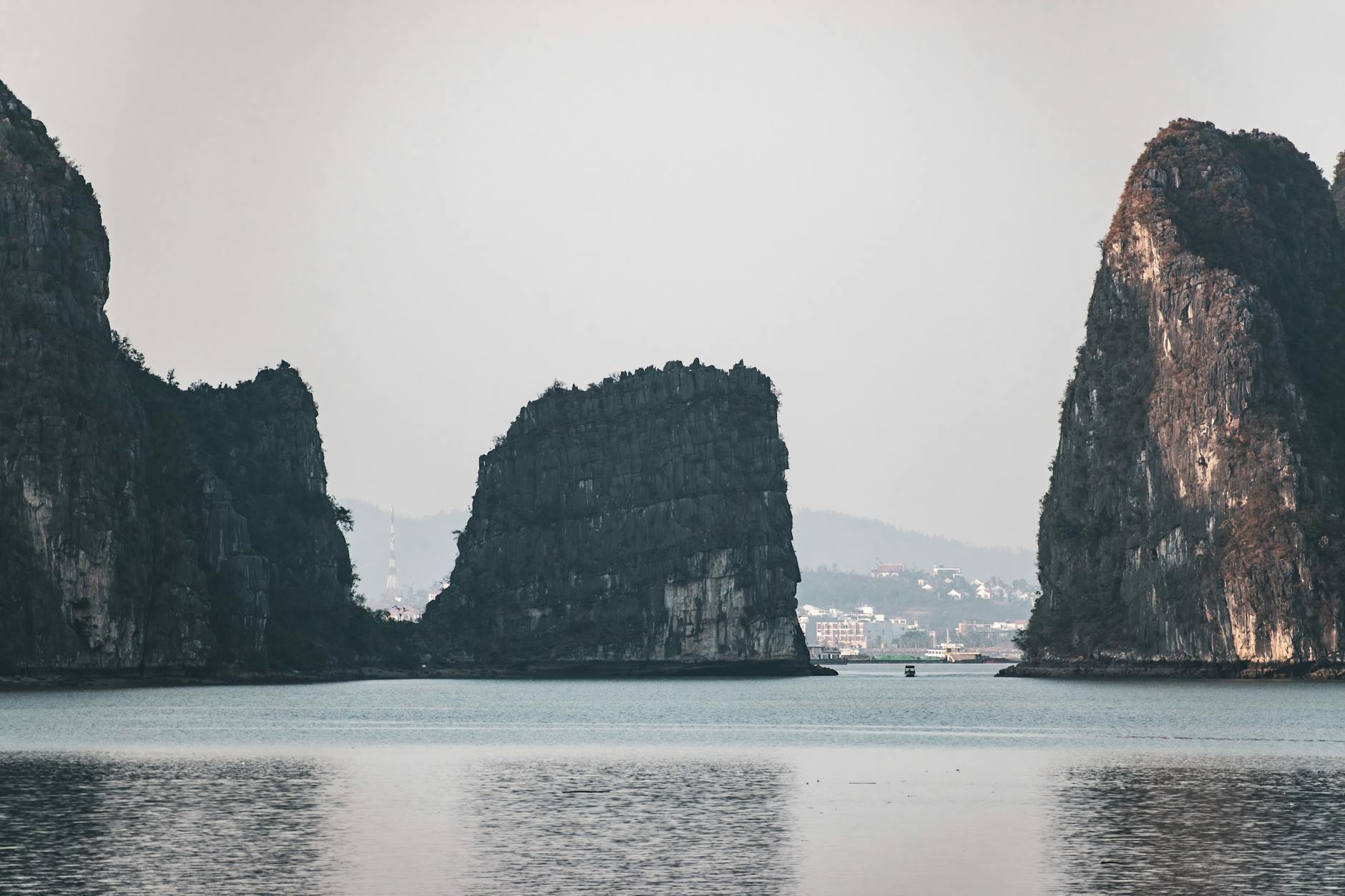
Vietnam is a country that seems to exist in multiple climates at once. While Hanoi shivers through a cool winter morning, Ho Chi Minh City bakes in tropical heat. When Halong Bay enjoys crystal-clear skies, the Mekong Delta might be drowning in monsoon rain. This geographic diversity is what makes Vietnam fascinating—but it also makes timing your visit crucial.
Stretching over 1,600 kilometers (nearly 1,000 miles) from north to south, Vietnam's weather patterns are more complex than most Southeast Asian destinations. The country doesn't have a single "best time to visit." Instead, the optimal season depends entirely on where you're going and what you want to experience.
Understanding Vietnam's Three Climate Zones
Before diving into specific months, you need to understand how Vietnam's geography creates three distinct weather patterns:
Northern Vietnam (Hanoi, Halong Bay, Sapa)
Four distinct seasons with cool winters and hot, humid summers. Winter temperatures in the mountains can drop to near freezing, while summer brings heavy monsoon rains.
Central Vietnam (Hue, Da Nang, Hoi An)
Reversed monsoon pattern compared to the north. The rainy season runs September–December, with typhoon risk peaking in October and November. Summer (May–August) is hot and relatively dry.
Southern Vietnam (Ho Chi Minh City, Mekong Delta, Phu Quoc)
Tropical consistency with two seasons: wet (May–November) and dry (December–April). Temperatures hover between 25–35°C (77–95°F) year-round.
The Best Time to Visit Vietnam by Season
Spring (March to May): The Overall Winner
If you want to see all of Vietnam in the best possible conditions, March through May is your window. Here's why spring works across all regions:
Northern Vietnam: Temperatures range from 20–28°C (68–82°F) with moderate rainfall. Hanoi shakes off winter's chill, Halong Bay enjoys clear skies with visibility up to 15 meters, and Sapa's rice terraces are being planted—creating mirror-like reflections in flooded paddies.
Central Vietnam: April and May offer hot but manageable weather (28–33°C / 82–91°F) before the oppressive summer heat arrives. Hoi An's ancient town glows under golden afternoon light, and beach conditions in Da Nang are excellent.
Southern Vietnam: The dry season continues with lower humidity than the peak months. March and April are particularly pleasant before the pre-monsoon heat builds in May.
Traveler tip: Late March coincides with Vietnam's stunning Tet Nguyen Dan (Lunar New Year) celebrations if you want to experience traditional festivals—though book accommodation well in advance.
Autumn (September to November): The Photographer's Dream
Many experienced Vietnam travelers argue autumn is actually superior to spring—if you plan carefully around regional variations.
Northern Vietnam: This is arguably the single best time to visit the north. The rice harvest in Sapa and Mu Cang Chai (late September to mid-October) transforms terraced hillsides into waves of gold across 7,000+ hectares of cultivated mountainside. Temperatures hover in the perfect 22–30°C (72–86°F) range with dropping humidity.

Central Vietnam: Here's the catch. September marks the start of central Vietnam's rainy season, with typhoon risk increasing dramatically through October and November. However, early September can still offer good conditions, and typhoon landings are unpredictable—you might get lucky with clear skies.
Southern Vietnam: The wet season is in full swing, but rains typically come in short, intense afternoon bursts rather than all-day downpours. Morning sightseeing remains viable, and the countryside is lush and green.
Winter (December to February): Cool and Dry
Winter is ideal for southern and central Vietnam but problematic for the north.
Northern Vietnam: Hanoi temperatures drop to 15–20°C (59–68°F), which sounds pleasant but feels colder due to high humidity and persistent mist. Halong Bay often disappears behind fog, significantly reducing visibility. Mountain areas like Sapa can see temperatures near freezing.
Central and Southern Vietnam: This is peak season for good reason. Central Vietnam enjoys its driest, most pleasant weather (22–28°C / 72–82°F). Southern Vietnam experiences the heart of dry season—sunny skies, low humidity, and perfect beach conditions in Phu Quoc and Mui Ne.
Christmas and New Year's note: December 20–January 5 sees massive domestic and international tourism. Prices spike 30–50%, and popular destinations like Hoi An and Phu Quoc book out weeks in advance.
Summer (June to August): Hot, Wet, and Less Crowded
Summer is Vietnam's low season for a reason, but budget travelers can find opportunities.
Northern Vietnam: Hot (30–37°C / 86–98°F) and humid with frequent afternoon downpours. However, Sapa's rice terraces reach peak emerald green in July and August, and tourist numbers drop significantly.
Central Vietnam: Very hot (32–38°C / 90–100°F) but relatively dry until late August. Beach destinations like Da Nang and Nha Trang are popular with domestic tourists during school holidays (June–July).
Southern Vietnam: The wet season brings daily afternoon thunderstorms. Flooding is possible in Ho Chi Minh City and the Mekong Delta. On the plus side, accommodations cost 40–60% less than peak season.

Month-by-Month Breakdown: What to Expect in 2026
January: Peak Season South, Grey North
- North: Cool, misty, poor Halong Bay visibility (12–20°C / 54–68°F)
- Central: Pleasant, dry (20–25°C / 68–77°F)
- South: Perfect dry season conditions (25–32°C / 77–90°F)
- Verdict: Skip the north unless you're prepared for grey skies
February: Tet Festival and Chaos
- North: Cold, damp, improving toward month's end (14–22°C / 57–72°F)
- Central: Excellent weather continues (21–27°C / 70–81°F)
- South: Dry season peak (26–33°C / 79–91°F)
- Verdict: Tet (late January/early February 2026) creates transport chaos but offers incredible cultural experiences
March: The Golden Month
- North: Warming rapidly, best Halong Bay visibility (18–26°C / 64–79°F)
- Central: Ideal beach weather (24–30°C / 75–86°F)
- South: Still dry, less humid than peak months (27–34°C / 81–93°F)
- Verdict: Excellent countrywide—one of the best months to visit
April: Pre-Monsoon Buildup
- North: Warm, occasional showers, perfect for trekking (22–30°C / 72–86°F)
- Central: Hot but bearable (27–33°C / 81–91°F)
- South: Building heat, occasional early storms (28–35°C / 82–95°F)
- Verdict: Still very good, especially for northern trekking
May: Transition Month
- North: Hot, humid, increasing rain (26–33°C / 79–91°F)
- Central: Very hot, dry (29–35°C / 84–95°F)
- South: Wet season begins, daily afternoon storms (27–34°C / 81–93°F)
- Verdict: Challenging in south, still viable in center/north early month
June–August: Low Season Deals
- North: Hot, very humid, heavy rain (28–36°C / 82–97°F)
- Central: Hot, relatively dry until late August (30–37°C / 86–99°F)
- South: Wet season, daily storms, possible flooding (26–33°C / 79–91°F)
- Verdict: Budget travelers only—steep discounts offset weather challenges
September–November: Autumn's Gamble
- North: September–October is exceptional; November cooling (22–30°C / 72–86°F)
- Central: Rainy season, typhoon risk September–November (24–30°C / 75–86°F)
- South: Wet season, though storms become less frequent (25–32°C / 77–90°F)
- Verdict: Worth it for Sapa's golden rice terraces, but monitor typhoon forecasts for central regions
December: Dry Season Returns
- North: Cooling, misty, Halong Bay hit-or-miss (15–22°C / 59–72°F)
- Central: Rain tapering off, improving conditions (21–27°C / 70–81°F)
- South: Dry season established, ideal beach weather (24–31°C / 75–88°F)
- Verdict: Excellent for south and central; risky for north
Special Considerations for 2026–2027
Climate researchers note that Vietnam is experiencing subtle shifts in traditional weather patterns:
- Warmer winters: Northern Vietnam winters are averaging 1–2°C warmer than historical norms
- Extended typhoon season: Central Vietnam's storm risk may extend deeper into December
- Intensified heat waves: Southern dry seasons are seeing more extreme temperature spikes
These shifts make flexibility even more important. Purchase travel insurance that covers weather disruptions, especially if visiting central Vietnam during typhoon season.
Regional Recommendations Based on Your Interests
For Beach Lovers
Best months: March–April or December–February
Top spots: Phu Quoc (year-round), Da Nang (April–August), Nha Trang (February–September)
For Trekking and Nature
Best months: March–May or September–October
Top spots: Sapa (March–May for planting season, September–October for harvest), Ha Giang (March–April for buckwheat flowers)
For Photography
Best months: September–October (golden rice terraces) or March–April (clear Halong Bay)
Must-capture: Mu Cang Chai terraces, Hoi An lanterns, Halong Bay sunrise
For Budget Travel
Best months: May–August or September (avoiding Tet and Christmas)
Savings: 30–60% on accommodation, significant flight discounts
For Cultural Festivals
Tet Nguyen Dan: Late January 2026 (Lunar New Year)
Mid-Autumn Festival: September 2026
Hoi An Full Moon Lantern Festival: Monthly on the 14th lunar day
Final Verdict: When Should You Visit Vietnam?
If you're planning a single, comprehensive trip covering north, central, and south Vietnam:
March and April offer the best combination of pleasant weather across all regions. You'll avoid the northern winter grey, the central typhoon risk, and the southern wet season while enjoying moderate temperatures countrywide.
If your itinerary focuses primarily on southern Vietnam (Ho Chi Minh City, Mekong Delta, Phu Quoc), December through February is ideal—dry, sunny, and comfortable.
For northern Vietnam trekking and photography, September and October's golden rice harvest is unbeatable, despite the wetter conditions elsewhere.
The truth about Vietnam is that there's no perfect time—only perfect planning. Understanding the country's climatic complexity means you can chase good weather from region to region, experiencing this extraordinary country at its best regardless of when your calendar allows you to visit.
Ready to plan your Vietnam adventure? Check out our budget travel guide for cost-saving tips, or explore Europe's hidden gems if you're considering alternative destinations.