
First Time in Croatia? Here's the Perfect 2-Week Itinerary for 2026 (With Real Costs)
A complete 14-day Croatia itinerary covering Zagreb, Plitvice Lakes, Istria, Split, Hvar, Korčula, and Dubrovnik. Includes real 2026 costs, accommodation recommendations, and insider tips for first-time visitors.
Croatia has emerged as one of Europe's most captivating destinations, and for good reason. Where else can you walk medieval city walls that overlook turquoise waters in the morning, hike past cascading waterfalls by afternoon, and end your day at a waterfront konoba sharing stories with locals over fresh seafood and Istrian wine? This is a country that somehow packs Roman ruins, Game of Thrones filming locations, eight national parks, and over 1,000 islands into a space roughly the size of West Virginia.
For first-time visitors, the challenge is not finding things to do—it is narrowing down the impossible richness of choices into something manageable. Do you focus entirely on the Dalmatian Coast? Venture into the interior for wine country and castles? Attempt to island-hop your way down the Adriatic? The questions multiply quickly, and the fear of missing something essential can paralyze even experienced travelers.
After analyzing route logistics, seasonal considerations, and the experiences that consistently deliver the most value for first-time visitors, here is a comprehensive two-week itinerary that balances Croatia's greatest hits with quieter moments that reveal the country's authentic character. The route moves logically from north to south, minimizes backtracking, and includes realistic daily budgets based on 2026 pricing.
The Route: Zagreb to Dubrovnik in 14 Days
This itinerary covers roughly 600 kilometers of Croatia's most diverse landscapes, moving from the continental capital through the country's waterfall-laden interior, across the Istrian Peninsula's wine country, down the Dalmatian Coast, and finally to the iconic walled city of Dubrovnik. The route works equally well whether you rent a car or rely on Croatia's surprisingly efficient bus and ferry network.
Days 1–2: Zagreb — The Capital You Should Not Skip
Most travelers treat Zagreb as a mere entry point, rushing through in a day before heading to the coast. This is a mistake. Croatia's capital offers a distinctly different experience from the Adriatic tourist centers—a city of Austro-Hungarian architecture, world-class museums, and café culture that rivals Vienna at a fraction of the price.
Start in the Upper Town (Gornji Grad), where cobblestone streets wind past medieval towers and the iconic St. Mark's Church with its colorful tiled roof. The Museum of Broken Relationships deserves its reputation as one of Europe's most affecting museums—intimate, creative, and surprisingly universal in its exploration of love and loss. For contemporary art, the Museum of Contemporary Art houses an impressive collection of Croatian and international works in a striking building that resembles a giant shipping container.
Plan your visit around the daily ritual that transforms Zagreb between noon and 2 p.m.: the špica, when locals fill outdoor cafes for coffee, people-watching, and extended lunches. Join them on Tkalciceva Street, a pedestrian thoroughfare lined with cafes that epitomizes Croatian social life. Dinner options range from traditional at Vinodol, which serves hearty meat dishes and seafood in an elegant setting, to the innovative tasting menus at Noel, Zagreb's first Michelin-starred restaurant.
Where to Stay: The Esplanade Zagreb Hotel occupies a 1925 Art Deco landmark near the train station and offers five-star service at three-star coastal prices. Budget travelers should consider Swanky Mint Hostel, a converted factory with industrial-chic design and a courtyard bar. Accommodation range: €25–180 per night.
Days 3–4: Plitvice Lakes National Park — Croatia's Natural Masterpiece
The two-hour bus or car journey from Zagreb to Plitvice Lakes transports you from urban energy to one of Europe's most extraordinary natural landscapes. This UNESCO World Heritage site comprises sixteen terraced lakes connected by waterfalls that cascade through limestone canyons, creating colors that shift from emerald to azure depending on the mineral content and sunlight.
The park operates several color-coded walking routes ranging from two-hour strolls to full-day hikes. The classic "K route" takes about six hours and covers both the Lower Lakes, where the largest waterfalls thunder into the canyon, and the Upper Lakes, which offer more intimate woodland settings and smaller cascades. An electric boat crosses Lake Kozjak, and a panoramic train connects the park's main entrances—both included in your admission ticket.
Arrive early. The park opens at 7 a.m., and the first hours offer a completely different experience from the midday crush. The wooden walkways that wind across the lakes become congested by 10 a.m., with tour groups moving in formation and selfie sticks at the ready. The early morning mist rising from the water, the sound of birdsong replacing human voices—this is the Plitvice that justifies its UNESCO status.
Staying overnight near the park entrance allows you to enter first thing in the morning. Hotel Jezero offers park-side location with basic but comfortable rooms, while guesthouses in nearby villages like Rastovaca provide homier alternatives with family-cooked dinners. Admission: €40 in peak season (June–September), €25 in shoulder season. Accommodation: €40–120 per night.
Days 5–6: Istria — Truffles, Wine, and Roman Ruins
The Istrian Peninsula feels distinct from the rest of Croatia—more Italian than Balkan, with hilltop villages that echo Tuscany and a cuisine built around truffles, olive oil, and seafood. Base yourself in Rovinj, a fishing town where pastel houses climb from a busy harbor to the Church of St. Euphemia, whose bell tower offers panoramic views across the Adriatic to Italy on clear days.
Spend one day exploring the interior's hilltop towns. Motovun, surrounded by medieval walls and famous for its summer film festival, offers spectacular views over vineyards and forests that produce the region's white truffles. Groznjan, another walled hilltop settlement, has transformed into an artists' colony where galleries occupy stone buildings and jazz drifts from open windows. The roads between these towns wind through vineyards producing Malvazija, a crisp white wine that has earned Istria recognition as Croatia's premier wine region.
Day two belongs to Pula and its remarkably preserved Roman amphitheater. The Arena, built in the first century, hosted gladiatorial combat for 20,000 spectators and remains one of the six largest surviving Roman amphitheaters in the world. Unlike the Colosseum, you can wander the underground passages where animals and fighters waited before emerging into the sunlight. The city's other Roman remnants—including the Temple of Augustus and the Arch of the Sergii—create an open-air museum that rewards aimless wandering.
Where to Stay in Rovinj: Grand Park Hotel Rovinj occupies a hillside position with infinity pools and sea views, while the town center's boutique guesthouses put you within stumbling distance of waterfront restaurants. Accommodation range: €50–250 per night.
Days 7–8: Split — Diocletian's Palace and Beyond
The four-hour journey from Rovinj to Split traces Croatia's dramatic coastline, with the Velebit Mountains rising to your left and island-dotted waters to your right. Split announces itself with a skyline dominated by the bell tower of St. Domnius Cathedral, rising from what remains one of the world's most impressive Roman ruins.
Diocletian's Palace, built by the emperor as his retirement residence around 300 AD, was never a museum piece. Today it remains a functioning neighborhood where 3,000 people live within walls that once housed an imperial court. The narrow passages open unexpectedly onto the Peristyle, the central courtyard where columns frame views of the cathedral's octagonal dome. The substructure halls—once used for storage and now hosting souvenir stalls—reveal the palace's original floor plan and provide the atmospheric setting for Game of Thrones scenes depicting Daenerys's throne room.
But Split rewards exploration beyond the palace walls. The Riva waterfront promenade, completely rebuilt in 2007, provides the city's social heart—a broad pedestrian avenue lined with cafes where locals play chess, tourists nurse cocktails, and everyone watches the sunset paint the Adriatic gold. Climb Marjan Hill for panoramic city views and pine-shaded walking paths. The neighborhoods of Varos and Veli Varos, climbing the hillside below Marjan, preserve the atmosphere of old Split with stone houses and family restaurants serving pašticada, a Dalmatian beef stew braised in wine and prunes.
Where to Stay: Hotel Vestibul Palace occupies a converted Roman building within Diocletian's Palace itself, with rooms that incorporate ancient walls into modern luxury. Budget travelers find excellent value at Hostel Centric, located in a renovated 19th-century townhouse. Accommodation range: €30–200 per night.
Days 9–10: Hvar Island — Lavender Fields and Yacht-Filled Harbors
The ferry from Split to Hvar takes just under two hours, depositing you on an island that embodies the Croatian coastal fantasy: Venetian architecture, clear waters, hillside vineyards, and a reputation for nightlife that attracts the yachting set but need not define your experience.
Hvar Town, the island's main settlement, centers on the largest town square in Dalmatia, framed by the Arsenal, St. Stephen's Cathedral, and cafes that have perfected the art of prolonged sitting. The town climbs from the harbor to a medieval fortress that rewards the steep hike with views across the Pakleni Islands, an archipelago of wooded islets that offer secluded swimming coves accessible by water taxi.
Escape the town's bustle with a trip to the island's interior. The Stari Grad Plain, another UNESCO site, preserves an ancient Greek land division system from the 4th century BC—agricultural land organized in precise geometric patterns that remain in use. Nearby Stari Grad, Hvar's original settlement, offers a quieter alternative to Hvar Town with its own waterfront promenade and excellent restaurants. The drive to the island's western tip passes through lavender fields that bloom purple in June and July, filling the air with fragrance and providing the raw material for the island's signature products.
Where to Stay: Palace Elisabeth occupies a prime position on Hvar Town's main square in a building that once hosted emperors. For a more intimate experience, Pharos Hvar Bayhill Hotel sits on the hillside above town with a complimentary shuttle to the center. Accommodation range: €60–300 per night.
Days 11–12: Korcula — Marco Polo's Birthplace and Island Tranquility
The catamaran from Hvar to Korcula continues south through island-studded waters, arriving at a walled town that many consider the most beautiful in Dalmatia. Korcula Old Town occupies a small peninsula, its fortifications enclosing a grid of streets that local legend claims were designed to minimize sea breezes—though the pattern also happens to resemble a fishbone when viewed from above.
The town's most famous son, Marco Polo, supposedly born here in 1254, is commemorated with a house that may or may not be his actual birthplace but certainly offers a tower with excellent views. The Cathedral of St. Mark dominates the main square with its Gothic-Renaissance facade and Tintoretto altarpiece. But Korcula's real appeal lies in its relative tranquility compared to Hvar and Dubrovnik—fewer crowds, more locals, and a pace that encourages long lunches and afternoon swims.
Rent a scooter or bicycle to explore the island beyond the town. The southern coast offers quiet coves with crystalline water, while the interior's vineyards produce Pošip, a full-bodied white wine that has become one of Croatia's most celebrated varieties. The village of Lumbarda, a short ride from town, sits on a sandy peninsula—rare in Croatia's rocky coastline—and offers excellent waterfront dining.
Where to Stay: Lesic Dimitri Palace occupies converted 17th-century bishop's residences in the heart of the old town, offering apartment-style luxury with kitchen facilities. The island's beachfront hotels offer better value outside the walls. Accommodation range: €50–280 per night.
Days 13–14: Dubrovnik — The Pearl of the Adriatic
The final leg of the journey brings you to Croatia's most famous destination, a city whose walls have withstood sieges, earthquakes, and the overwhelming force of modern tourism. Dubrovnik can feel like a theme park during peak season, with cruise ship passengers flooding the Stradun main street and prices reflecting the city's global reputation. But arrive early, stay late, and venture beyond the obvious, and the city's magic persists.
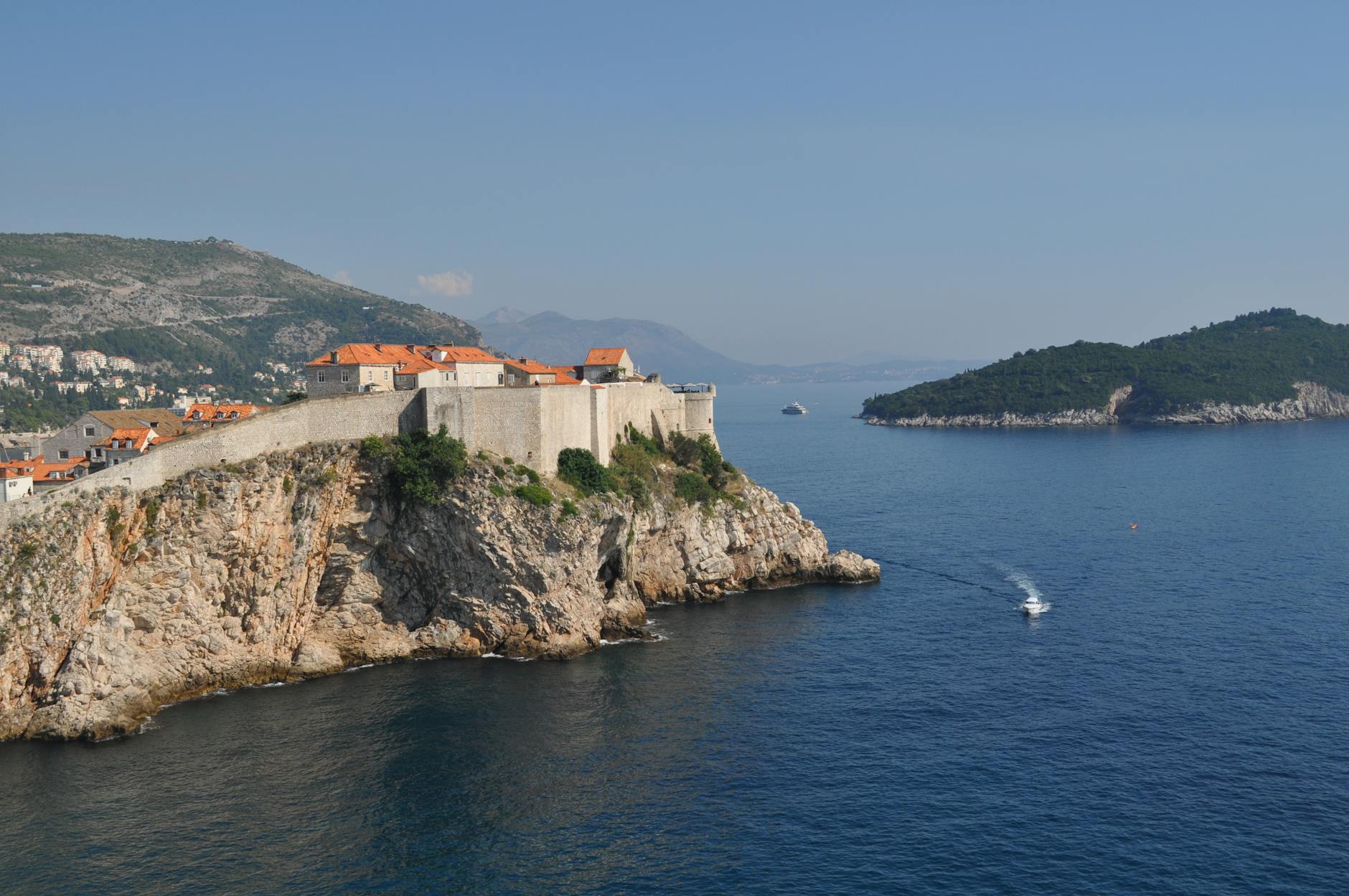
Walk the city walls first thing in the morning. The two-kilometer circuit takes about two hours and offers perspectives that make sense of Dubrovnik's geography—the Adriatic on one side, the terracotta rooftops and narrow streets on the other, Lokrum Island rising green from the blue water. The Franciscan Monastery's pharmacy, operating since 1317, sells lotions made from ancient recipes. The Rector's Palace combines Gothic, Renaissance, and Baroque elements into an architectural lesson on the city's prosperous centuries as the Republic of Ragusa.
For relief from the crowds, take the ferry to Lokrum Island, just fifteen minutes from the old port. The botanical gardens, monastery ruins, and swimming spots known as the Dead Sea provide half-day escapes that most cruise passengers skip. The Mount Srd cable car rises above the city to a fortress with panoramic views—hike down via the switchback trail for exercise and changing perspectives.
Dubrovnik's greatest challenge is finding authentic dining among the tourist-focused establishments lining the Stradun. Venture into the residential neighborhood of Ploce or the side streets of the old town to find konobas where locals eat—Proto and Nautika earn their reputations with excellent seafood, while Pantarul, slightly outside the walls, represents the city's emerging creative cuisine.
Where to Stay: Villa Dubrovnik occupies a spectacular cliffside position with a private beach and views that justify the splurge. More central, The Pucic Palace offers boutique luxury within the old town walls. Budget travelers face the city's biggest challenge—accommodation costs—but Hotel Lero and private rooms in Lapad neighborhood offer reasonable alternatives. Accommodation range: €80–500 per night.
Budget Breakdown: What 14 Days Actually Costs
Croatia spans multiple price tiers, with Zagreb and inland destinations offering excellent value while Dubrovnik commands premium prices that rival major Western European cities. Here are realistic daily budgets for 2026:
Budget Traveler (€75–100/day)
- Accommodation: Hostels and guesthouses, €25–40/night
- Food: Bakery breakfasts, market lunches, cooking some meals, €20–25/day
- Transport: Buses between cities, occasional ferries, €15–20/day
- Activities: Free walking tours, swimming, hiking, selective paid attractions, €10–15/day
- 14-day total: €1,050–1,400
Mid-Range Comfort (€150–200/day)
- Accommodation: Three-star hotels and boutique guesthouses, €60–90/night
- Food: Restaurant dinners, café lunches, occasional splurge, €40–50/day
- Transport: Rental car or comfortable buses, ferries to islands, €30–40/day
- Activities: National parks, guided tours, wine tastings, €20–25/day
- 14-day total: €2,100–2,800
Comfortable Premium (€300–400/day)
- Accommodation: Four-star hotels and luxury guesthouses, €120–180/night
- Food: Fine dining, wine pairings, waterfront restaurants, €80–100/day
- Transport: Rental car, private transfers, speedboat charters, €60–80/day
- Activities: Private guides, exclusive experiences, €40–50/day
- 14-day total: €4,200–5,600
When to Visit: Timing Your Croatia Trip
Croatia's tourism calendar follows a predictable pattern that significantly affects both experience and budget. July and August bring guaranteed sunshine and warm seas but also crushing crowds, inflated prices, and temperatures that can reach 35°C (95°F). The coastal cities become saunas, and the narrow streets of Dubrovnik transform into slow-moving queues.
June and September offer the sweet spot—warm enough for swimming, most restaurants and attractions fully operational, but with manageable crowds and prices 20–30% lower than peak season. May and October appeal to hikers and those prioritizing cultural experiences over beach time, though some island restaurants and hotels begin closing mid-October.
Zagreb and the interior follow a different rhythm. Winter brings Christmas markets that transform the capital into a fairy tale of lights and mulled wine, while summer heat inland can be more oppressive than the moderated coastal temperatures. Spring and fall suit the interior perfectly.
Practical Tips for First-Time Visitors
Currency: Croatia adopted the euro in 2023, ending the kuna era. Credit cards are widely accepted, but carry cash for small konobas, markets, and national park entrance fees.
Getting Around: Buses connect all major destinations reliably and comfortably—Arriva and FlixBus serve the mainland, while Jadrolinija and Kapetan Luka handle ferries. Renting a car provides flexibility for the interior and Istria but becomes a liability in Dubrovnik and Hvar Town, where parking is expensive and limited. One-way car rentals within Croatia typically incur no extra fees.
Language: English is widely spoken in tourist areas, but learning basic Croatian phrases earns goodwill—"hvala" (thank you), "molim" (please), and "dobar dan" (good day) go a long way.
Accommodation Booking: Croatia's popularity means booking accommodation at least two months ahead for July and August, especially in Dubrovnik and Hvar. Shoulder season offers more flexibility.
Island Hopping: Ferry schedules change seasonally, with reduced service October through April. Check Jadrolinija's website for current timetables, and book catamarans in advance during summer.
Croatia rewards those who take the time to understand its rhythms—who linger over coffee in Zagreb's cafes, who hike the park trails before the tour buses arrive, who accept that the best restaurant might be the one without an English menu. Two weeks allows you to sample the country's diversity without rushing, to fall into the pace of Adriatic life, and to understand why this small Balkan nation has captured the imagination of travelers worldwide.