
First Time in Vietnam? Here's the Perfect 2-Week Itinerary for 2026 (With Real Costs)
Plan your first Vietnam trip with this complete 2-week itinerary covering Hanoi, Ha Long Bay, Hội An, and Ho Chi Minh City. Includes real 2026 costs, transport logistics, must-eat dishes, and honest advice from the ground.
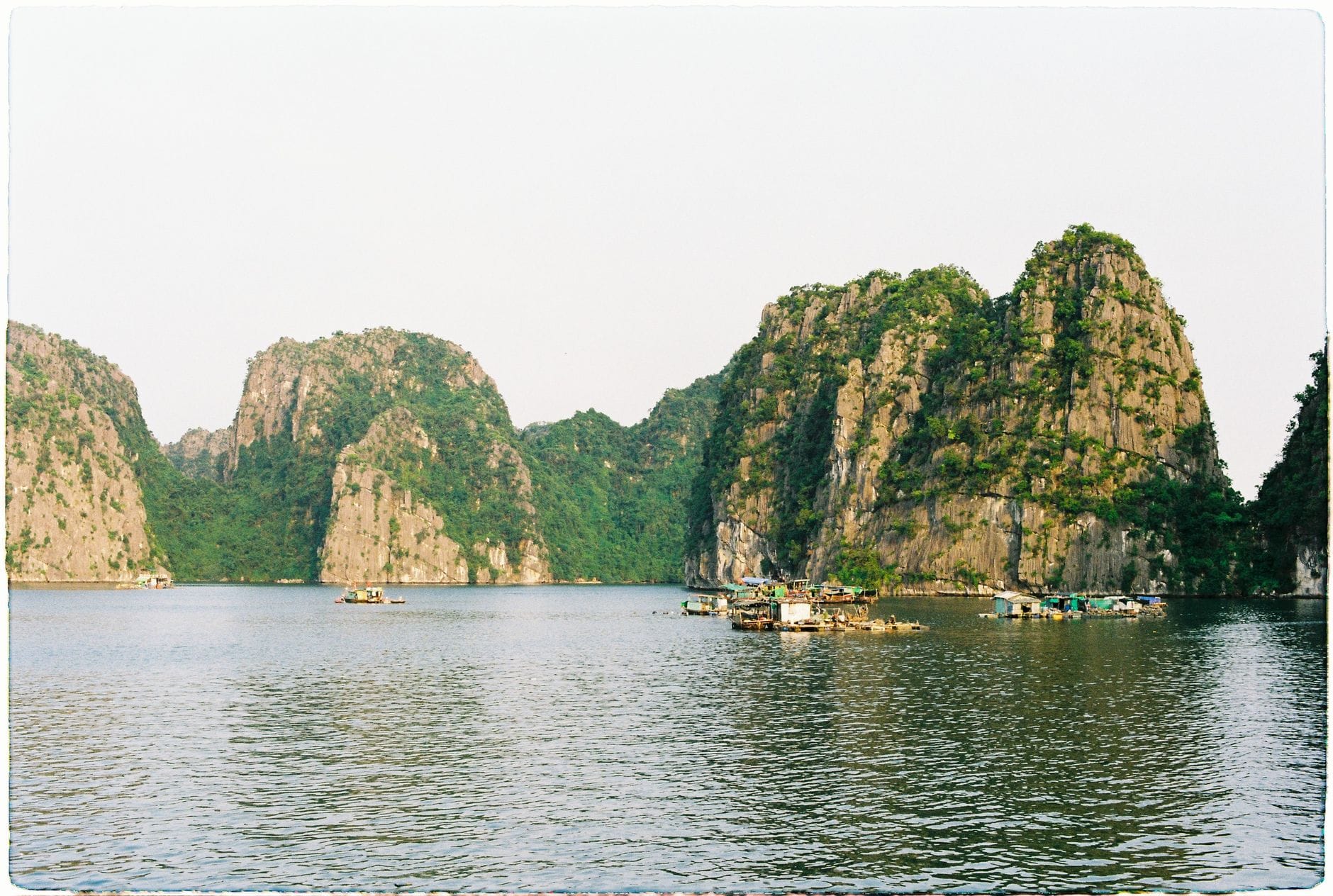
You're staring at a map of Southeast Asia, and Vietnam keeps catching your eye. Maybe a friend came back raving about egg coffee in Hanoi. Maybe you saw photos of Ha Long Bay's limestone karsts and wondered if the filters were lying. They weren't.
Vietnam stretches 1,650 kilometers from north to south—roughly the distance from London to Barcelona. In two weeks, you cannot see it all. But you can experience the country's three distinct regions, eat food that will ruin your local takeout forever, and understand why travelers keep returning. This isn't a checklist itinerary. It's a route that respects your time and the country's geography.
Why This Route Works
The classic north-to-south triangle—Hanoi, Hội An, Ho Chi Minh City—covers Vietnam's cultural and geographic diversity without burning you out. The north delivers history and dramatic landscapes. The center offers ancient architecture and beach recovery time. The south brings energy, commerce, and the Mekong Delta.
Most first-timers make the same mistake: they try to add Sapa, Phong Nha, and the Mekong Delta to a 14-day trip. Don't. Vietnam rewards depth over breadth. Save the mountain trekking and cave exploration for your second visit.
Days 1-4: Hanoi — The 1,000-Year-Old Capital
Hanoi doesn't welcome you with open arms. It assaults your senses with motorbike exhaust, street vendors shouting, and the constant symphony of car horns. Then something shifts. You find a plastic stool on a sidewalk. A woman hands you a bowl of noodles. The chaos becomes rhythm.
Where to Stay
The Old Quarter is non-negotiable for first-timers. Each of the 36 streets historically specialized in a specific trade—Hàng Bạc for silver, Hàng Mã for votive paper. Today it's a maze of boutique hotels, street food stalls, and coffee shops. Budget travelers can find clean private rooms for $15-25/night. Mid-range hotels with rooftop pools run $40-70.
What to Do
Hoàn Kiếm Lake at dawn. Set your alarm for 6 AM. Watch locals practice tai chi, ballroom dance, and badminton along the lake's edge. The morning light on the Turtle Tower (Tháp Rùa) makes the early wake-up worth it. Free.
Temple of Literature (Văn Miếu). Vietnam's first university, founded in 1076. The courtyards, stone stelae, and lotus ponds offer a rare moment of quiet in this frenetic city. Entry: $1.30 (30,000 VND). Allow 90 minutes.
Vietnamese Women's Museum. Skip the Ho Chi Minh Mausoleum lines. This museum tells Vietnam's story through the lives of women—ethnic minorities, street vendors, mothers, warriors. Excellent English captions. Entry: $1.70 (40,000 VND).
Train Street (if it's open). The famous narrow street where trains pass inches from houses has been closed and reopened multiple times due to safety concerns. Check locally—if accessible, arrive 30 minutes before the scheduled train (check current times at your hotel).
What to Eat
Bún chả at Nguyễn Văn Sĩ (19 Nguyễn Văn Sĩ Street). Grilled pork patties and belly in fish sauce, served with vermicelli noodles and herbs. Anthony Bourdain filmed here with Barack Obama. ~$2.50 (60,000 VND).
Phở bò at Phở Thìn (13 Lò Đức Street). The original phở establishment, unchanged since the 1970s. Rich, oily broth with rare beef. ~$3 (75,000 VND).
Cà phê trứng at Café Giảng (39 Nguyễn Hữu Huân Street). Egg coffee—whipped egg yolk with condensed milk floating on strong Vietnamese coffee. Invented here in 1946 when milk was scarce. ~$1.50 (38,000 VND).
Bia hơi on Tạ Hiện Street. Fresh beer brewed daily, served from metal kegs on street corners. $0.25 (5,000 VND) per glass. The Bia Hơi Junction comes alive after dark with backpackers and locals sharing plastic tables.
Critical Hanoi Tips
Book your Ha Long Bay cruise before arriving in Hanoi. Reputable operators sell out, especially November through April. Budget cruises start around $100 for 2 days/1 night. Mid-range options with better food and newer boats run $180-220. Luxury experiences exceed $400.
Crossing the street requires commitment. Traffic won't stop. Walk slowly, predictably, and the motorbikes will flow around you like water. Hesitation causes accidents.
Days 5-7: Ha Long Bay — Limestone Drama
Seven million people visit Ha Long Bay annually. The Instagram photos don't show the dozens of junks anchored in the main bay, the floating villages converted to tourist traps, or the aggressive vendors in rowboats. But the landscape delivers—2,000 limestone karsts rising from emerald water, hidden caves, and kayaking through archways into hidden lagoons.
Choosing Your Cruise
| Category | Price (2D/1N) | What You Get |
|---|---|---|
| Budget | $100-130 | Older boats, basic cabins, mediocre buffet food, crowded schedules |
| Mid-range | $180-250 | Newer boats, en-suite bathrooms, better food quality, kayaking included |
| Luxury | $350-500+ | Small group sizes, premium dining, spa services, but less local interaction |
Mid-range hits the sweet spot. Companies like Bhaya Cruises, Indochina Junk, and Paradise Cruises balance comfort with authenticity. Avoid the cheapest options—the food quality suffers, boats show wear, and crew treatment can be questionable.
The Itinerary Reality
Most cruises follow similar schedules: pickup from Hanoi around 8 AM, three-hour drive to the harbor, boarding by noon. Afternoon activities include cave visits (Sung Sot or Thiên Cung) and kayaking. Dinner on board. Sunrise tai chi optional. Morning cooking class or more kayaking. Return to Hanoi by 4 PM.
The best cruises visit Bai Tu Long Bay or Lan Hà Bay instead of the main Ha Long Bay channels. These areas see fewer boats but require longer transfer times. Worth it for the tranquility.
What to Pack
Swimwear for kayaking. Insect repellent for evening deck time. A light jacket—even summer evenings on the water get cool. Cash for drinks (overpriced onboard) and tips ($10-20 total for crew and guide).
Days 8-10: Hội An — Lanterns and Beach Recovery
Fly from Hanoi to Đà Nẵng (1 hour, $40-70 with Vietnam Airlines or VietJet), then grab a taxi or Grab to Hội An (45 minutes, ~$15). The contrast hits immediately—Hanoi was chaos, Hội An is charm. UNESCO-protected architecture, lantern-lit streets, and a slower pace that feels earned after northern intensity.
What to Do
Old Town walking. Hội An's historic district requires a ticket for entering certain buildings and museums, but wandering the streets is free. Buy the 5-attraction ticket for $5 (125,000 VND) at the tourist office on Trần Phú Street. The Japanese Covered Bridge (Chùa Cầu) is the iconic symbol—check for renovation schedules in 2025-2026.
Lantern-making class. Hội An Handicraft Workshop (26 Phan Bội Châu Street) teaches traditional lantern construction. Take home your creation. ~$12 (300,000 VND).
Tra Que Vegetable Village. Three kilometers from town, this organic farming community supplies Hội An's restaurants. Rent a bicycle ($2/day) or take a cyclo tour ($10 for 2 hours). Learn about traditional farming methods without chemicals.
An Bang Beach. Escape the Old Town heat. Three kilometers east, this beach offers lounge chair rentals ($2-5), fresh seafood restaurants, and significantly fewer crowds than the main beach near town.
Full Moon Lantern Festival. If your dates align with the 14th day of the lunar month, motorbikes are banned from the Old Town. The streets glow with silk lanterns, traditional music fills the air, and locals release paper lanterns on the river. Magical—and crowded. Book accommodation well ahead.
What to Eat
Cao lầu at Bà Hùng (10 Trần Phú Street). Thick rice noodles with sliced pork, herbs, and croutons. The water must come from specific ancient wells in Hội An—at least that's what locals claim. ~$2 (50,000 VND).
White rose dumplings at Lien Hoa (12 Lê Lợi Street). Translucent shrimp dumplings shaped like roses. A Hội An specialty you won't find elsewhere in Vietnam. ~$3 (75,000 VND).
Mì Quảng at Bà Mua (72 Nguyễn Văn Linh Street). Turmeric-yellow noodles with shrimp, pork, herbs, and peanuts. Breakfast of champions. ~$2.50 (60,000 VND).
The Tailor Warning
Hội An has over 400 tailor shops. Quality varies dramatically. The cheap $20 suits are polyester nightmares. Reputable shops like Yaly Couture, A Dong Silk, and Bebe Tailor charge more ($80-150 for a suit) but deliver quality that lasts. Allow 2-3 days for fittings. Bring photos of what you want—communication can be challenging.
Days 11-14: Ho Chi Minh City — Organized Chaos
Fly from Đà Nẵng to Ho Chi Minh City (1 hour, $30-50). The city formerly known as Saigon feels different from Hanoi—newer, more commercial, more international. The energy is palpable. This is Vietnam's economic engine, and it runs on caffeine and ambition.
Where to Stay
District 1 puts you in the center—walking distance to major sights, restaurants, and nightlife. District 3 offers a more local experience with better value. Avoid Phạm Ngũ Lão (the backpacker street) unless you enjoy 3 AM karaoke and bucket drinks.
What to Do
War Remnants Museum. Difficult but essential. The exhibits on Agent Orange, the My Lai massacre, and civilian casualties provide perspective that American history books often omit. Allow 2-3 hours. Entry: $2 (40,000 VND).
Củ Chi Tunnels. Half-day trip to the underground tunnel network used by Viet Cong fighters. Touristy but informative. You can crawl through 100-meter sections if you're not claustrophobic. Book through your hotel or any travel agency (~$15-20 including transport).
Bến Thành Market. The central market is overwhelming—aggressive vendors, tourist prices, sensory overload. Better for photography than shopping. For actual purchases, head to the Russian Market (Tân Định) or An Đông Plaza.
Mekong Delta day trip. Book a tour to Cái Bè or Mỹ Tho (2 hours from the city). Floating markets, fruit orchards, and village life. Commercialized but worthwhile for first-timers. Full-day tours run $25-40.
Rooftop bars. End your trip with a view. Eon Heli Bar (52nd floor of Bitexco Tower) and Social Club (at Hotel des Arts) offer stunning city views. Drinks are expensive by Vietnamese standards ($8-15), but the sunsets justify it.
What to Eat
Bánh mì at Bánh Mì Huỳnh Hoa (26 Lê Thị Riêng Street). Massive sandwiches stuffed with pâté, cold cuts, and pickled vegetables. The line moves fast. ~$2 (50,000 VND).
Cơm tấm at Cơm Tấm Cali (32 Nguyễn Đình Chiểu Street). Broken rice with grilled pork, egg, and pickled vegetables. A Saigon staple. ~$3 (70,000 VND).
Phở at Phở Hòa (260C Pasteur Street). Saigon's phở is sweeter and lighter than Hanoi's version. Purists debate which is superior. Try both and join the argument. ~$3 (75,000 VND).
The Budget Breakdown
These figures represent realistic mid-range spending for 14 days. Budget travelers can cut costs by 30-40%. Luxury travelers should double these numbers.
| Category | Cost (USD) |
|---|---|
| Accommodation (mix of hotels/guesthouses) | $350-490 |
| Food (street food + restaurants) | $280-350 |
| Transport (flights, taxis, buses) | $200-280 |
| Ha Long Bay cruise (mid-range) | $200 |
| Activities & entrance fees | $100-140 |
| Miscellaneous (shopping, tips, emergencies) | $100 |
| Total (excluding international flights) | $1,230-1,560 |
Add $50-100 for visa costs depending on your nationality. Many countries can apply for e-visas online ($25) valid for 30 days single entry.
Practical Tips for 2026
Visas: Check current requirements—the rules change frequently. As of early 2026, e-visas are available for 80+ nationalities. Apply at least one week before travel.
Money: Vietnam is largely cash-based. ATMs are everywhere but charge fees ($2-5 per withdrawal). Bring a card with no foreign transaction fees. The đồng (VND) trades at roughly 25,000 to $1 USD.
SIM cards: Buy at the airport or any phone shop. Viettel and Vinaphone have the best coverage. A month of data costs $5-10.
Transport: Grab (Southeast Asia's Uber) works everywhere. For longer distances, domestic flights are cheap and frequent. Trains exist but are slower and less reliable.
Health: No special vaccinations required beyond routine immunizations. Street food is generally safe if you stick to busy stalls with high turnover. Bottled water only.
Scams: The coconut scam (men forcing coconut hats on your head then demanding money) operates in Hanoi and Hội An. Taxi drivers outside train stations may use rigged meters. Use Grab to avoid both.
When to Go
March-April and October-November offer the best balance of dry weather and moderate temperatures. December-February brings cool, dry conditions to the north (pack a jacket). May-September is hot and rainy—fewer crowds but afternoon downpours.
The Honest Truth
Vietnam isn't always comfortable. You'll sweat through your clothes. You'll eat something that challenges your digestive system. You'll negotiate with taxi drivers who pretend not to understand your destination.
But you'll also experience moments that justify every inconvenience. A sunrise over Ha Long Bay when the mist clears just enough. A grandmother in Hội An teaching you to fold rice paper. A conversation with a former soldier at the War Remnants Museum that recontextualizes everything you thought you knew.
Two weeks gives you enough time to fall in love with Vietnam. It won't be enough time to see everything. That's not a bug—it's an invitation to return.