
First Time in Bali? Here's the Perfect 2-Week Itinerary for 2026 (With Real Costs)
Bali rewards preparation and punishes spontaneity. This comprehensive 2-week itinerary covers Seminyak beaches, Ubud culture, Uluwatu cliffs, and Nusa Islands with real 2026 costs for budget, mid-range, and luxury travelers.
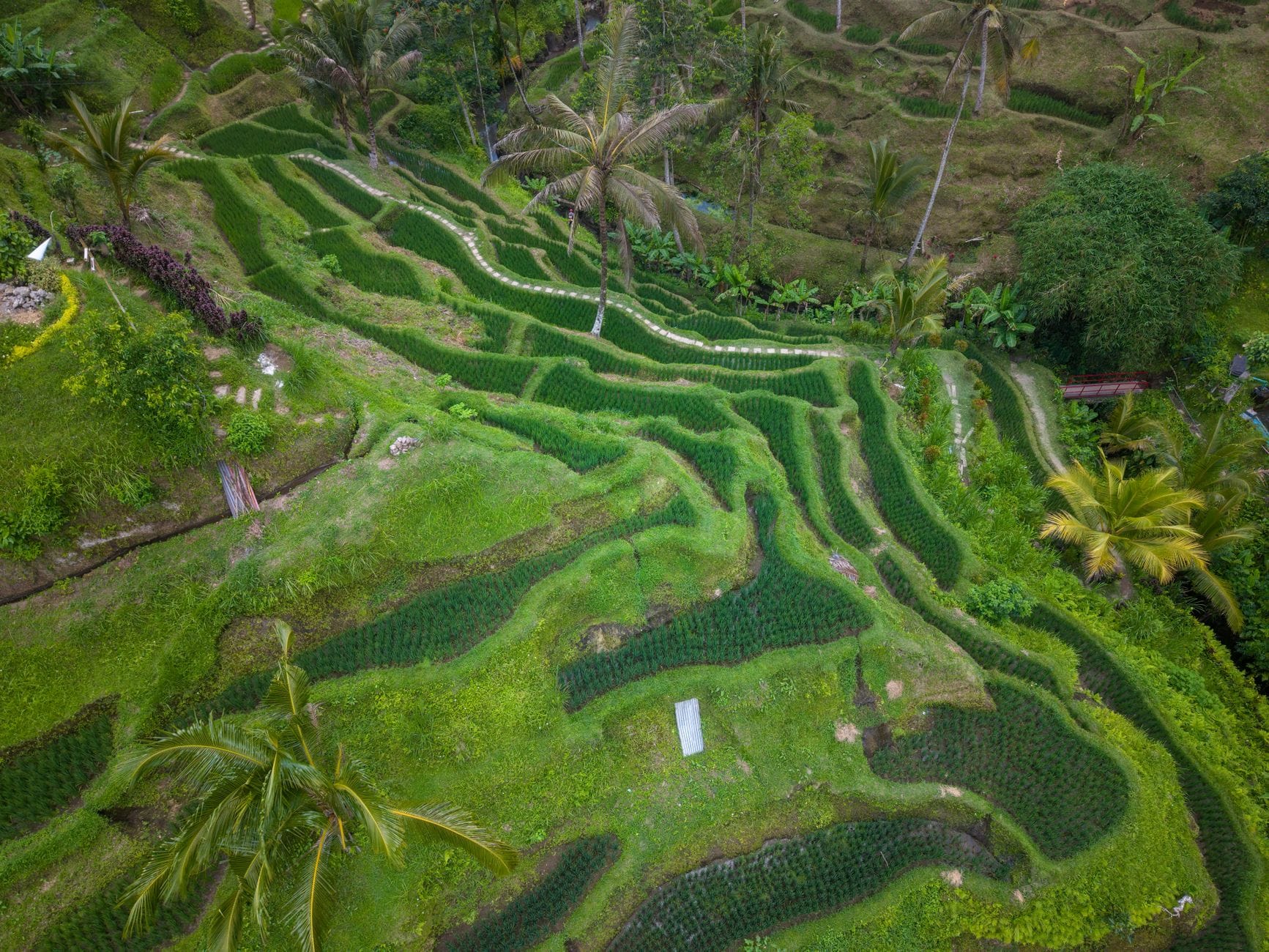
Bali has become the destination everyone talks about. Scroll through Instagram and you'll see infinity pools overlooking jungle canyons, ancient temples shrouded in morning mist, and surfers catching golden-hour waves. But here's what those photos don't show you: the traffic-choked streets of Kuta, the tourist traps selling overpriced smoothie bowls, and the awkward realization that "digital nomad cafés" charge Western prices for average coffee.
I spent three weeks in Bali earlier this year, and I'll be direct with you: this island rewards preparation and punishes spontaneity. The travelers who love Bali researched their zones, booked their drivers in advance, and understood that "island time" applies to everything including your WiFi connection. The ones who hated it? They stayed in the wrong area, tried to see everything in five days, and expected Southeast Asia prices with European infrastructure.
This guide is for first-timers who want the real Bali experience—not the influencer version. I've broken down a realistic two-week itinerary that moves at a sustainable pace, includes actual 2026 costs, and tells you what to skip (yes, some famous spots aren't worth your time).
Understanding Bali's Different Zones
Before booking anything, you need to understand that Bali isn't one place—it's several distinct regions with radically different vibes. The island is only 95 miles wide, but traffic moves at 15 mph on narrow roads, so crossing zones takes hours.
South Bali (Seminyak, Canggu, Kuta, Legian): This is beach culture, surf towns, beach clubs, and nightlife. Seminyak is polished and expensive. Canggu is younger, hipper, and increasingly crowded. Kuta is the party zone most travelers over 25 want to avoid. These areas have the best restaurants and worst traffic.
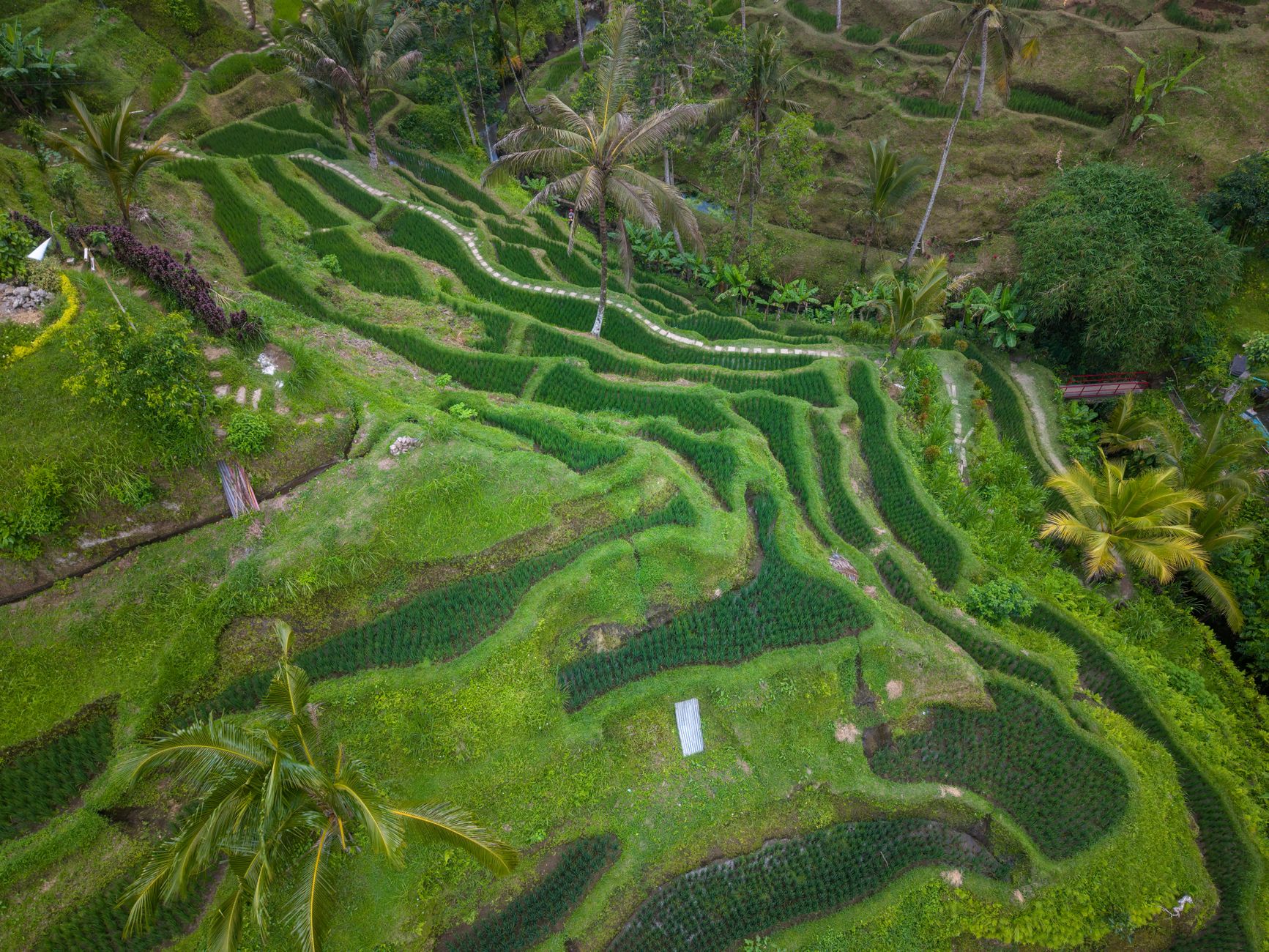
Ubud and Central Bali: The cultural heart. Rice terraces, yoga retreats, traditional villages, and the Monkey Forest. It's cooler, quieter, and significantly cheaper than the south. This is where you come for the "Eat Pray Love" experience—just expect more tourists than enlightenment.
Uluwatu and the Bukit Peninsula: Dramatic cliffs, hidden beaches, surf breaks, and the famous Uluwatu Temple. More isolated than other areas but stunning for sunset views. Accommodations here range from cliffside villas to basic surf hostels.
The Islands (Nusa Penida, Nusa Lembongan, Gili Islands): Day-trip or overnight destinations with clearer water, better snorkeling, and fewer crowds. Nusa Penida has become famous for the Kelingking Beach "T-Rex" viewpoint.
The 2-Week Itinerary: A Balanced Approach
This itinerary moves south to central to the islands, minimizing backtracking. You could compress this into 10 days, but two weeks lets you actually relax instead of racing between checkpoints.
Days 1-4: Seminyak and South Bali Beaches
Where to stay: Seminyak or Petitenget for convenience, Canggu if you want a younger vibe. Avoid Kuta unless you're 22 and traveling on a strict budget.
Day 1: Arrive at Ngurah Rai Airport (DPS), clear customs, and get a Grab or pre-booked transfer to your accommodation. Don't expect to accomplish much beyond settling in. Grab dinner at a local warung—try Nasi Goreng (fried rice) or Mie Goreng (fried noodles) for under $3.
Day 2: Beach day at Seminyak Beach, then sunset drinks at Potato Head or Ku De Ta beach clubs. These aren't cheap (expect $15-25 per cocktail), but the atmosphere and sunset views justify it for one evening. Book a daybed in advance if you want guaranteed seating.
Day 3: Hire a private driver (roughly 500,000-700,000 IDR/$32-45 for the day) and head to Tanah Lot for sunset. This sea temple sits on a rock formation surrounded by ocean—it's touristy but genuinely impressive. Stop at Taman Ayun Temple on the way back.
Day 4: Day trip to Uluwatu. Visit Padang Padang Beach (small but beautiful, accessed through a narrow rock opening), then Uluwatu Temple for the sunset Kecak fire dance. The dance performance costs around 150,000 IDR ($10) and starts at 6 PM. Book tickets in advance during peak season.
Days 5-9: Ubud and Central Bali
Where to stay: Central Ubud for convenience, Penestanan or Campuhan Ridge areas for quieter jungle vibes. Pool villas here are significantly cheaper than Seminyak—expect to pay $40-80 per night for accommodation that would cost $150+ in the south.
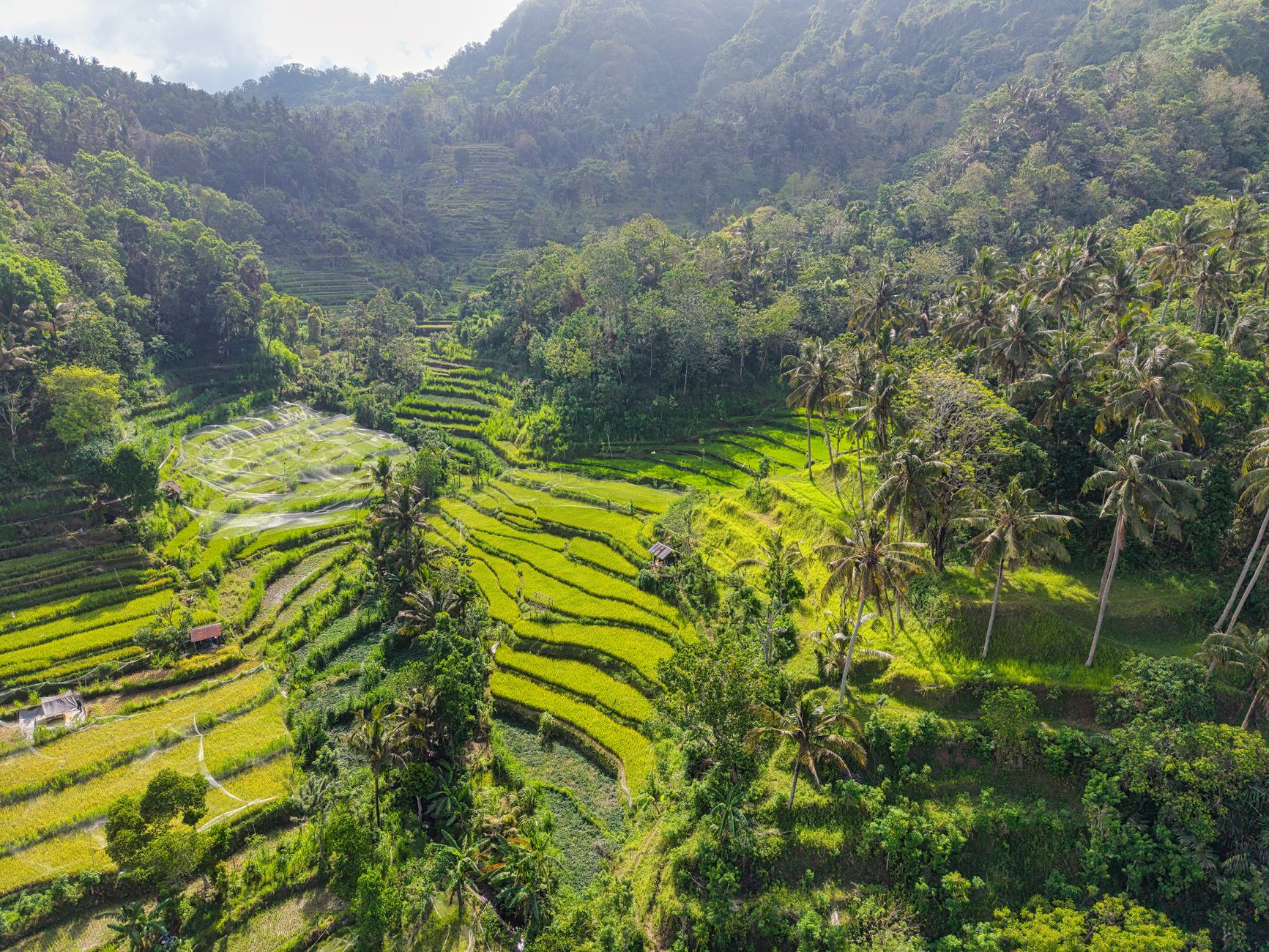
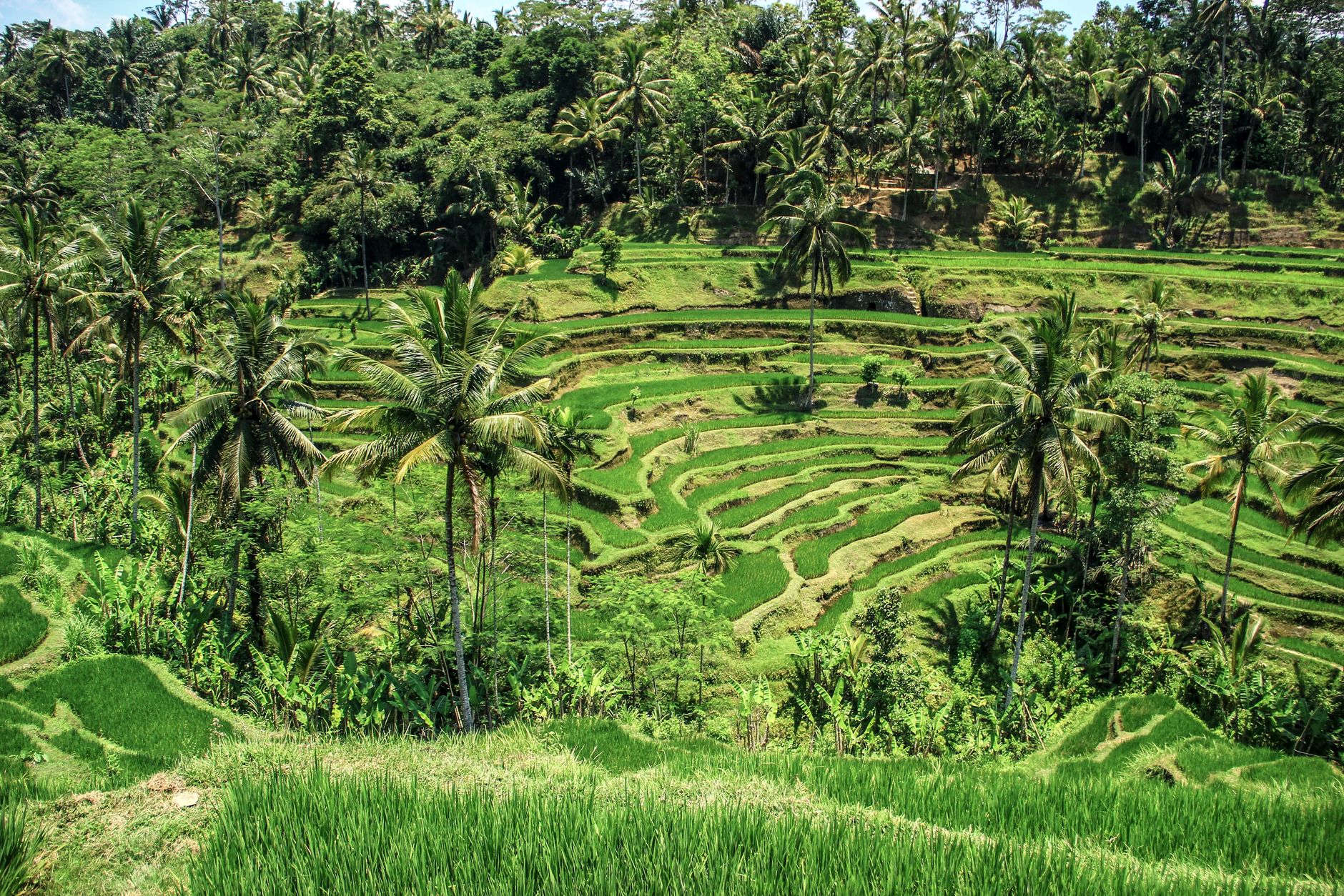
Day 5: Travel to Ubud (1.5-2 hours from Seminyak). Stop at Tegalalang Rice Terraces on the way—arrive before 9 AM to beat the crowds and the heat. The "Bali Swing" photo opportunities here are overpriced tourist traps ($35+ for a few photos), so skip them unless Instagram content is your priority. Continue to your Ubud accommodation and explore the town center in the evening.
Day 6: Sunrise start for the Campuhan Ridge Walk—it's free, relatively easy, and offers beautiful valley views without the crowds you'll find at the rice terraces. Back to town for the Ubud Monkey Forest (entrance: 80,000 IDR/$5). Hold onto your sunglasses and don't make eye contact with the monkeys—they're cute until they steal your phone. Evening: traditional Legong dance performance at Ubud Palace (100,000 IDR/$6.50).
Day 7: Waterfall day. Tegenungan is closest but busiest. Kanto Lampo offers better photos with fewer people. Tibumana is worth the extra drive for a genuinely peaceful swimming experience. Hire a driver for the day or join a small group tour.
Day 8: Tirta Empul Temple for the holy spring water purification ritual. This is a real religious site, not just a tourist attraction—dress respectfully (sarongs provided) and observe local customs. Afternoon: Ubud Art Market for shopping (negotiate hard; start at 40% of the asking price).
Day 9: Rest day. Take a yoga class, book a massage ($10-15 for an hour), or simply lounge by your villa pool. Ubud is where you recover from the pace of travel.
Days 10-12: Nusa Islands Adventure
Where to stay: Return to Ubud or move to Sanur for easier port access. Alternatively, overnight on Nusa Penida if you want more time.
Day 10: Speed boat to Nusa Penida from Sanur (30-45 minutes, roughly 300,000 IDR/$20 roundtrip). Join a day tour or hire a local driver on the island—roads are rough and scooter accidents are common. Kelingking Beach viewpoint is the famous T-Rex cliff shot. You can hike down to the beach, but it's steep, hot, and takes 45 minutes each way. Most visitors just take photos from the top.
Continue to Angel's Billabong (natural infinity pool) and Broken Beach (arched rock formation). Snorkel at Crystal Bay if conditions are good. Return to Bali by 5 PM.
Day 11: Alternative: Nusa Lembongan and Nusa Ceningan for a more relaxed vibe. Better snorkeling, less dramatic landscapes, charming small-island atmosphere. The Yellow Bridge connecting the two islands makes for easy exploring.
Day 12: Return to south Bali (Seminyak or Canggu) for your final nights, or extend your Ubud stay if you prefer jungle to beaches.
Days 13-14: Departure Prep and Final Explorations
Day 13: Last-minute shopping, final beach time, or a cooking class (highly recommended—learn to make authentic Nasi Goreng and satay).
Day 14: Airport transfer. Leave for the airport 3-4 hours before your flight—Denpasar traffic is unpredictable and security lines can be long.
Real Costs: What You'll Actually Spend in 2026
I've broken down costs by budget tier. These are per-person estimates for the full two weeks.
Budget Backpacker: $800-1,200
- Accommodation: $15-25/night for hostels or basic guesthouses
- Food: $10-15/day eating primarily at local warungs
- Transport: $8-12/day using shared shuttles and Go-Jek motorbike taxis
- Activities: Minimal—free beaches, self-guided walks, temple visits
- Alcohol: Limited—beer from convenience stores, skip beach clubs
Mid-Range Traveler: $1,500-2,200
- Accommodation: $40-80/night for boutique hotels or private pool villas in Ubud
- Food: $25-40/day mixing warungs and restaurants
- Transport: $30-40/day for private drivers on activity days
- Activities: Day trips, cooking classes, spa treatments, beach clubs
- Alcohol: Moderate—cocktails at sunset, wine with dinner
Comfort/Luxury: $3,000-5,000+
- Accommodation: $150-400/night for luxury villas and resorts
- Food: $60-100/day dining at top restaurants
- Transport: Private drivers, potentially helicopter transfers to islands
- Activities: Private guides, exclusive experiences, yacht charters
- Alcohol: Unlimited—beach club daybeds, fine wine, craft cocktails
Practical Tips That Will Save You Money and Hassle
Transportation: Download the Go-Jek and Grab apps immediately. They're Uber equivalents that work brilliantly for short trips. For day trips, hire a private driver through your accommodation—don't book through random Facebook groups. Expect to pay 500,000-700,000 IDR ($32-45) for a full day.
Scooter rentals: Every tourist rents one. Many crash. If you've never ridden in chaotic Southeast Asian traffic, Bali is a terrible place to learn. Your travel insurance likely won't cover scooter accidents without a valid international motorcycle license.
Money: ATMs are everywhere, but withdrawal limits are low (usually 2-3 million IDR/$130-200) and fees add up. Bring a card with no foreign transaction fees. Many places still don't accept cards, so carry cash.
WiFi and SIM cards: Airport SIM cards are overpriced. Buy a Telkomsel SIM in town for around 150,000 IDR ($10) with 25GB data. WiFi in cafés is generally decent but unreliable for video calls.
Water: Don't drink tap water. Bottled water is cheap; better yet, bring a SteriPen or LifeStraw bottle for environmental reasons.
Dress codes: Temples require covered shoulders and knees. Sarongs are provided or available for rent, but bringing your own lightweight scarf is convenient.
What to Skip (And What to Do Instead)
Skip: The Gili Islands during peak season. They're overcrowded, overpriced, and the beaches are covered in plastic.
Do instead: Nusa Lembongan for a similar vibe with half the crowds.
Skip: The Bali Swing photo attractions. They're $35+ for artificial photo setups.
Do instead: Campuhan Ridge Walk for free, natural beauty.
Skip: Kuta Beach and the surrounding party zone unless you're specifically seeking that atmosphere.
Do instead: Seminyak or Canggu for better beaches with actual infrastructure.
Skip: Overpriced "wellness retreats" that promise spiritual transformation.
Do instead: Drop-in yoga classes ($10-15) and genuine cultural experiences like cooking classes or village visits.
The Bottom Line
Bali delivers exactly what you put into it. Show up without research, stay in the wrong area, and try to see everything in a week, and you'll leave frustrated by crowds, traffic, and tourist pricing. Do your homework, pace yourself, and engage with the actual culture beyond the Instagram spots, and you'll understand why so many travelers extend their tickets indefinitely.
The island isn't the untouched paradise some imagine—it hasn't been that since the 1970s. But it's still beautiful, still affordable compared to Western destinations, and still capable of surprising you with genuine moments of connection. Just don't expect those moments to happen at a beach club while you're posing for photos.
My advice? Book that two-week itinerary. Build in rest days. Talk to locals who aren't trying to sell you something. Eat at warungs where no English is spoken. And when you find yourself watching the sunrise over rice terraces with a cup of Bali coffee in hand, you'll understand why people keep coming back.
Sources
- Bali Itinerary for First-Timers (2026): Ubud, Seminyak & Uluwatu — Customise Your Trip
- 2026 Bali Travel Guide with Sample Itinerary & Budget — The Poor Traveler
- The 15 Best Things to Do in Bali (2026) — TripAdvisor
- Bali Province Information — Wikipedia
- Where is Bali Located? Map of Bali, Indonesia — WhereIG.com