
First Time in Europe? Here's the Perfect 2-Week Itinerary for 2026 (With Real Costs)
Planning your first trip to Europe? This practical 2-week itinerary covers London, Paris, Amsterdam, Berlin & Prague with real budget breakdowns—plus an affordable Eastern Europe alternative route.
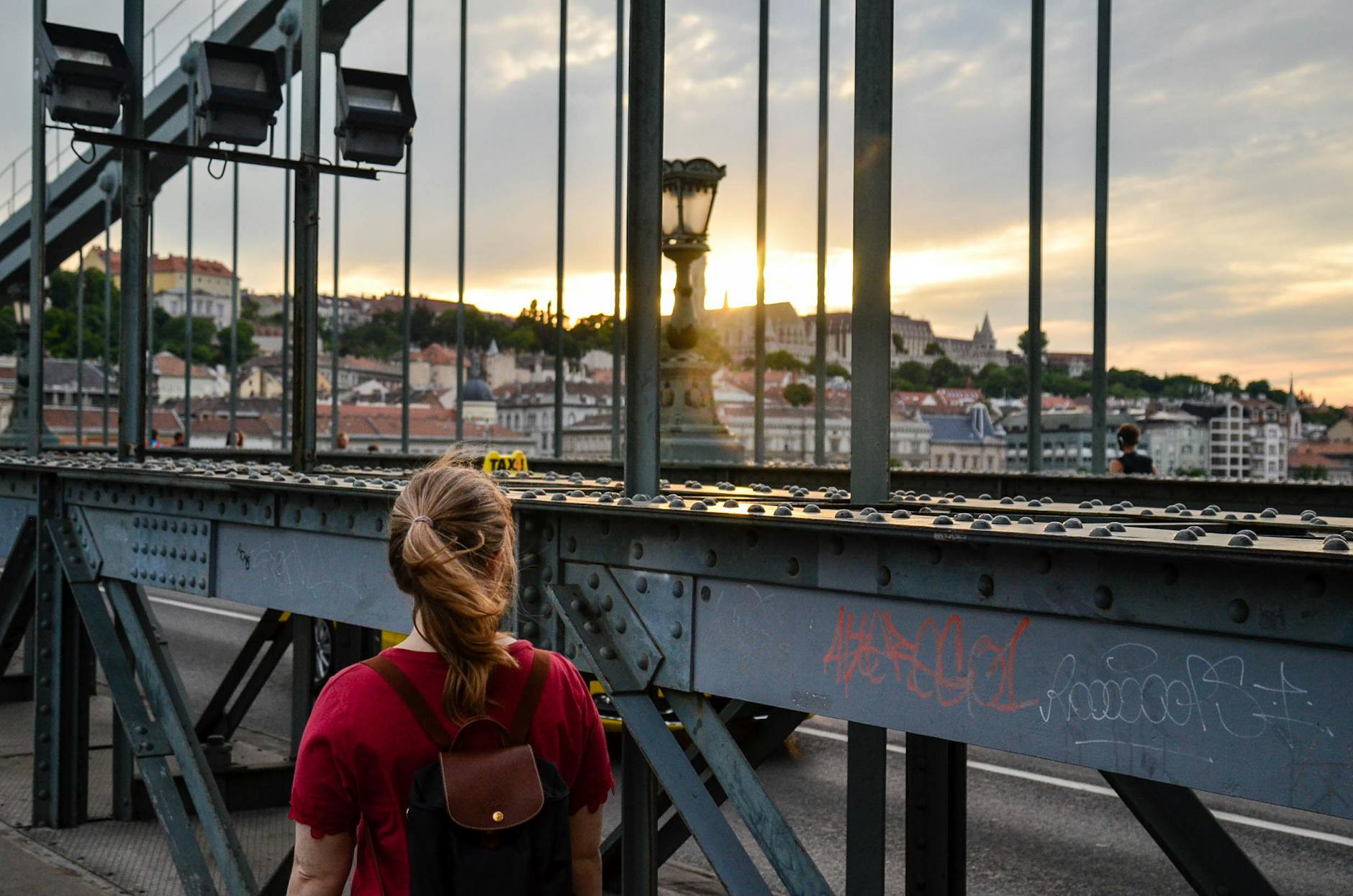
So you're finally doing it—your first trip to Europe. Two weeks, a backpack or rolling suitcase, and that mix of excitement and anxiety that comes with planning something you've dreamed about for years. I've seen this exact question pop up on Reddit countless times: "2 adults, 2 weeks, first time in Europe—what should we actually do?" The responses are always overwhelming. Someone suggests 12 cities in 14 days. Someone else says to pick one country and explore it slowly. Both are wrong, and both are right, depending on what you want from this trip.
Let me give you something more useful than generic advice. After digging through dozens of real itineraries, budget breakdowns, and the hard-won wisdom of travelers who've actually done this, here's a practical, actionable 2-week Europe plan that balances iconic sights with genuine experiences—and won't leave you broke or exhausted.
The "Don't Overthink It" Itinerary: Classic Western Europe
This route hits the heavy hitters without the logistical nightmare of trying to cover too much ground. It's designed for people who want to see the postcard sights but also have time to actually experience each place.
Days 1-3: London, England
Start here because English-speaking familiarity helps you ease into international travel. London's public transport is idiot-proof, and you can recover from jet lag while seeing world-class sights. Hit the British Museum (free), walk along the South Bank from Tower Bridge to Westminster, and catch a show in the West End if that's your thing. Skip the London Eye unless you love overpriced Ferris wheels—the view from Primrose Hill is free and better.
Where to stay: King's Cross or Shoreditch for easy Tube access and decent food options. Budget £80-120/night for a decent hotel or £40-60 for a private room in a well-reviewed hostel.
Days 4-6: Paris, France
The Eurostar from London to Paris takes 2 hours and 15 minutes, city center to city center. Book tickets 2-3 months ahead for fares around £50-80; last-minute tickets can hit £200. Paris rewards wandering more than sightseeing. Yes, see the Eiffel Tower and the Louvre, but save time for the Marais, Canal Saint-Martin, and Montmartre early morning before the tour groups arrive.
Budget reality check: Paris is expensive. Expect €100-150/night for decent hotels in central arrondissements. Food can be reasonable if you embrace boulangeries for breakfast, bistros for lunch (the formule is your friend), and cooking simple dinners from markets if your accommodation allows.
Days 7-9: Amsterdam, Netherlands
The Thalys train from Paris to Amsterdam runs about 3.5 hours. Amsterdam is walkable, bikeable, and compact—perfect for recovering from Paris intensity. The Rijksmuseum and Van Gogh Museum are genuinely excellent. Take a canal cruise, explore the Jordaan neighborhood, and don't skip a day trip to see actual Dutch countryside—Zaanse Schans or Haarlem are 30 minutes away and feel like a different world.
Where to stay: Jordaan or De Pijp for character and local vibes. Avoid the Red Light District unless you specifically want that experience—it's loud and tourist-heavy.
Days 10-12: Berlin, Germany
Fly or take an overnight train/bus from Amsterdam. Berlin is where your budget finally breathes. This city is significantly cheaper than London, Paris, or Amsterdam while offering incredible food, history, and nightlife. The free walking tour of the city center is genuinely excellent. Museum Island is worth a full day. The food scene—Turkish markets, Vietnamese immigrants, traditional German beer halls—means you eat incredibly well for under €15 per meal.
Accommodation: €60-90/night gets you a solid hotel or Airbnb in neighborhoods like Kreuzberg, Neukölln, or Prenzlauer Berg.
Days 13-14: Prague, Czech Republic (or add more time to Berlin)
Prague is a 4.5-hour train or bus ride from Berlin, and it feels like a different universe price-wise. What costs €100 in Berlin costs €40 here. The Old Town is tourist-central but undeniably beautiful. Prague Castle, Charles Bridge at sunrise, and the Jewish Quarter are worth your time. If budget's tight, skip Prague and add these two days to Berlin or Amsterdam—rushing through another city just to check a box isn't worth it.
The Real Budget Breakdown (For Two People)
Everyone wants to know: how much will this actually cost? Here's the honest math based on 2026 prices:
Transportation Between Cities
- London → Paris (Eurostar): £100-160 for two if booked early
- Paris → Amsterdam (Thalys): €70-120 for two
- Amsterdam → Berlin (train/flight): €60-150 for two
- Berlin → Prague (train/bus): €40-60 for two
- Total inter-city transport: ~€400-600 ($440-660)
Accommodation (13 nights)
- London (2 nights): £160-240
- Paris (2 nights): €200-300
- Amsterdam (2 nights): €180-260
- Berlin (3 nights): €180-270
- Prague (2 nights): €80-120
- Total accommodation: ~€1,100-1,500 ($1,210-1,650)
Daily Expenses (Food, Activities, Local Transport)
- London: £80-120/day for two
- Paris: €100-150/day for two
- Amsterdam: €90-130/day for two
- Berlin: €70-100/day for two
- Prague: €50-80/day for two
- Total daily expenses: ~€1,800-2,400 ($1,980-2,640)
Grand Total for Two Weeks
Budget travelers: ~€3,500-4,200 ($3,850-4,620) for two people
Mid-range travelers: ~€5,000-6,500 ($5,500-7,150) for two people
Comfort travelers: €7,000+ ($7,700+) for two people
These numbers assume you're not going crazy with shopping, fancy restaurants, or last-minute bookings. Book trains and accommodation 2-3 months ahead for the best rates.
The Alternative: Central & Eastern Europe Route
If Western Europe prices make you wince, consider this increasingly popular route that offers incredible value:
- Prague (3 days) – Gothic architecture, cheap beer, excellent hostels
- Vienna (2 days) – Imperial grandeur, coffee culture, surprisingly affordable
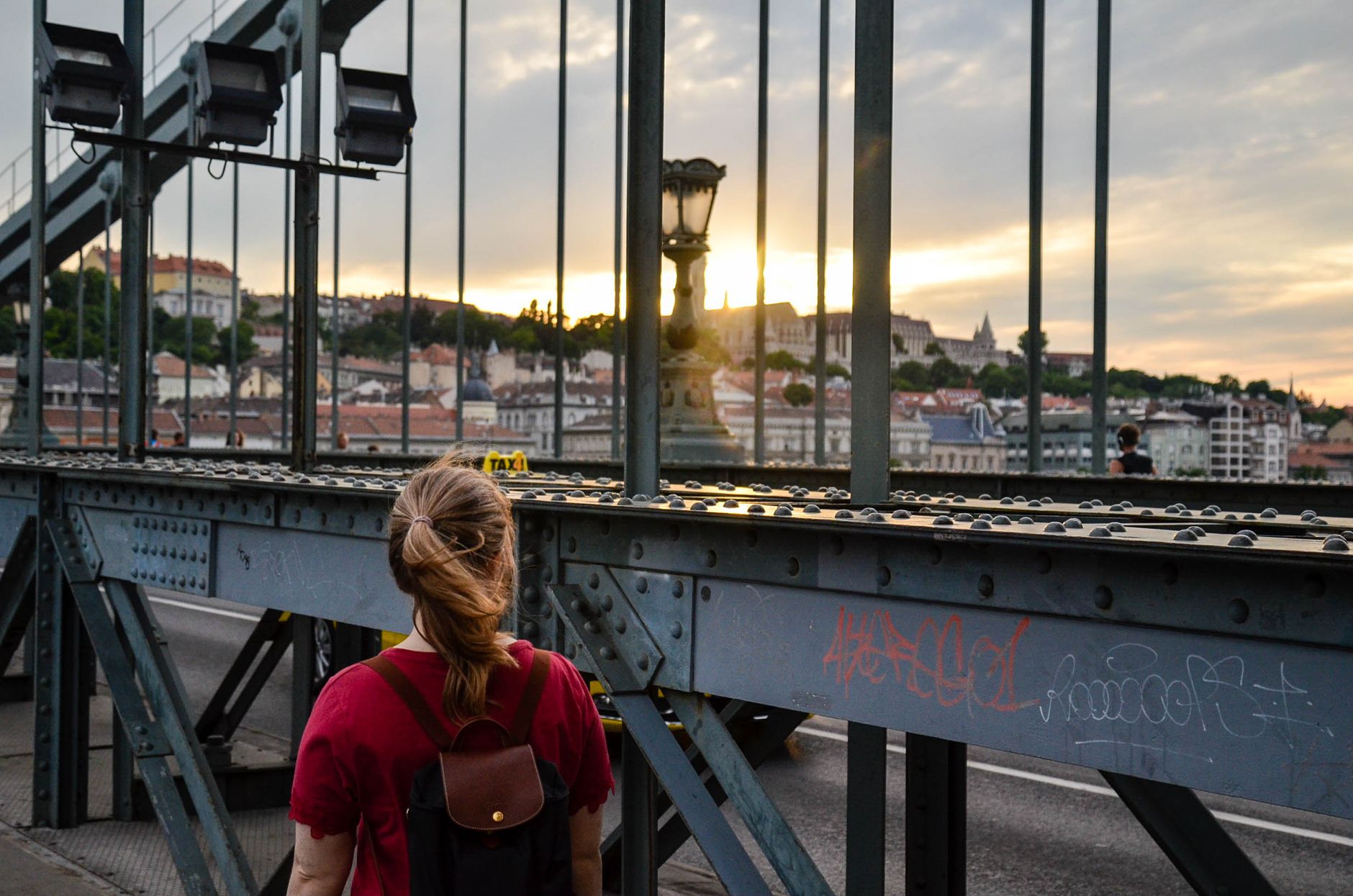
- Budapest (3 days) – Thermal baths, ruin bars, one of Europe's best-value cities
- Kraków (2 days) – Medieval old town, Auschwitz memorial nearby
- Berlin (3 days) – As described above
This itinerary cuts your accommodation costs by 40-50% and food costs by even more. A hearty dinner in Budapest costs €8-12 compared to €25-35 in Paris. The trade-off? Fewer iconic "I've seen that in movies" moments, but arguably more authentic European experiences.
Practical Tips That Actually Matter
1. Don't Try to See Everything
The biggest mistake first-timers make is packing in too many cities. Every travel day burns 6-8 hours between checkout, transport, getting lost in a new city, and check-in. Two weeks is actually not much time—five cities is the absolute maximum you should attempt. Four is better.
2. Book Accommodation with Free Cancellation
Plans change. You might fall in love with Amsterdam and want to stay longer, or realize you hate London's crowds and want to escape early. Booking.com and similar platforms offer free cancellation up to 24-48 hours before arrival. Use it.
3. Get a Multi-Currency Card
You're dealing with pounds (UK) and euros (everywhere else). Traditional bank cards will charge you 3% foreign transaction fees on every purchase. Cards like Revolut, Wise, or Chase Sapphire eliminate these fees and give you better exchange rates. Load them with your home currency and spend like a local.
4. Pack Light, Seriously
European trains have limited luggage space. Cobblestone streets destroy roller bags. You will not need as many clothes as you think. One large backpack or a small roller bag plus a daypack is the sweet spot. Laundry facilities are widely available—plan to do a load halfway through.
5. Learn Basic Local Phrases
English works in tourist areas, but locals appreciate effort. Learn "hello," "please," "thank you," and "do you speak English?" in each country's language. It opens doors and occasionally gets you better service or local prices instead of tourist prices.
6. Skip the Rental Car Unless You're Rural
Train travel between major European cities is fast, comfortable, and often city-center to city-center. Driving in European cities is stressful, parking is expensive (€20-40/day), and many city centers are pedestrian-only. Rent a car only if you're exploring countryside regions like Tuscany, Provence, or the Scottish Highlands.
When to Go (And When to Avoid)
June through August: Long days, perfect weather, and crushing crowds. Paris in July is hot and packed. Prices peak. If this is your only option, book everything months ahead and embrace the chaos.
September through October: Ideal. Warm but not hot, fewer tourists, harvest season means excellent food. This is when locals travel.
November through March: Cold, short days, but the cheapest prices and empty museums. Christmas markets in December are magical. Pack layers and a good coat.
April through May: Spring blooms, mild weather, moderate crowds. Easter week gets busy, but otherwise excellent timing.
The Honest Truth About Your First Europe Trip
Here's what experienced travelers know but rarely say: your first Europe trip will include mistakes. You'll underestimate transport times. You'll overspend on something stupid. You'll have one mediocre meal at a tourist trap. This is normal. Europe has been welcoming first-time visitors for centuries, and the continent is remarkably forgiving.
The goal isn't to have a perfect trip—it's to have your trip. The one where you figure out how to navigate a Paris Metro at rush hour, where you discover that Berlin kebab shops at 2 AM hit different, where you sit on a canal edge in Amsterdam realizing that yes, you actually made this happen.
Start with the itinerary above, adjust based on your interests and budget, and book that first train ticket. Europe's been waiting. Time to go see it.