
What Are Some Underrated Travel Destinations Worth Visiting in 2026? 8 Hidden Gems That Won't Stay Secret Forever
Skip the crowds in Paris and Bali. These 8 underrated destinations—from Albania's Riviera to Taiwan's night markets—offer extraordinary experiences at budget-friendly prices before they blow up.
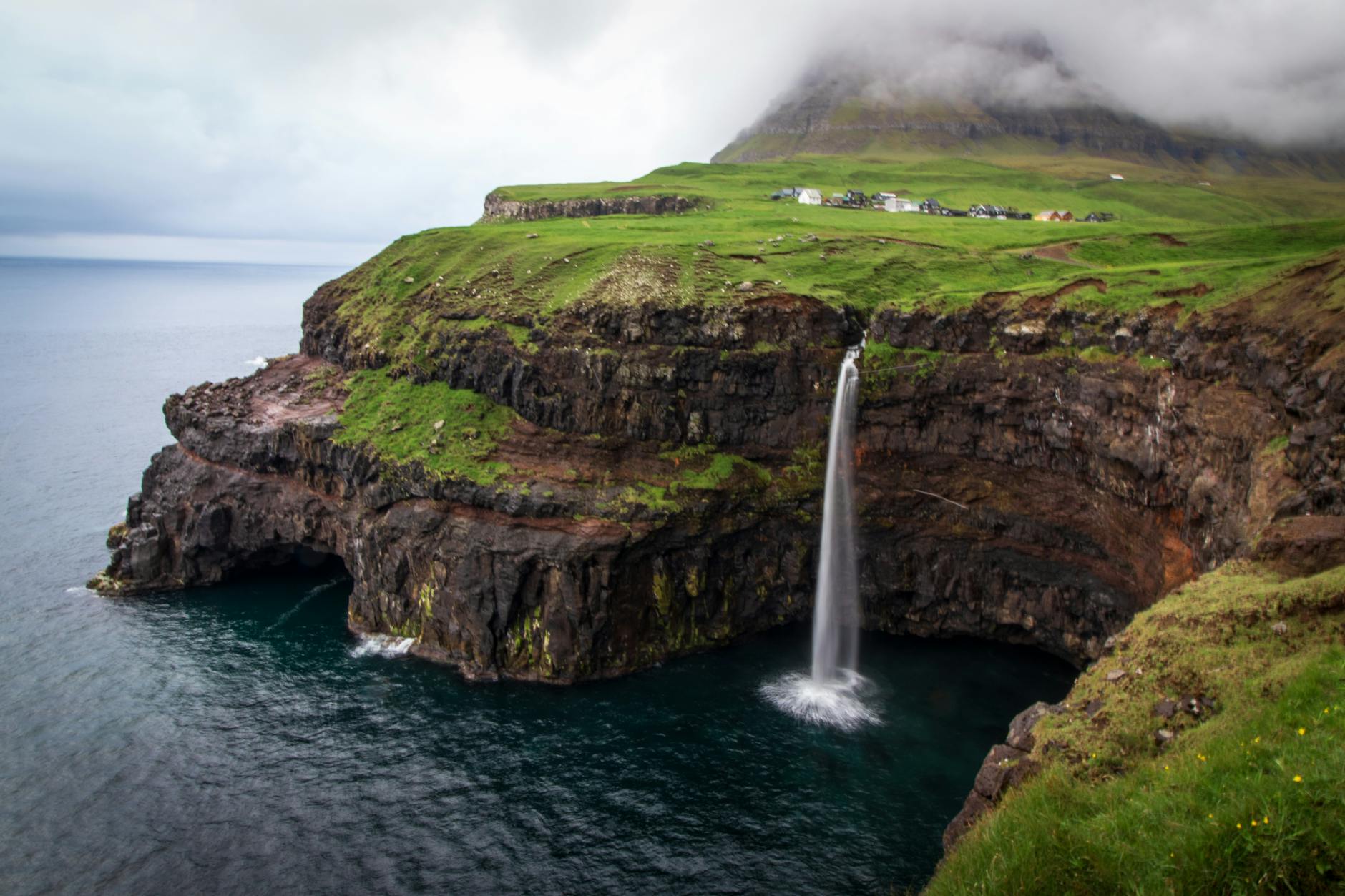
Paris is packed. Bali is booming. And don't even get me started on the queues at Machu Picchu.
Sometimes it feels like every corner of the planet has already been Instagrammed into oblivion. But here's the thing: some of the world's most spectacular destinations are still flying under the radar. Not because they lack beauty, culture, or adventure—but because they haven't had their viral moment yet.
That moment is coming. In fact, for several of the countries on this list, 2026 might be your last chance to experience them before the crowds arrive.
I've gathered eight genuinely underrated destinations that deliver extraordinary experiences at prices that'll make your bank account weep with joy. Some I've explored personally. Others sit at the top of my own list, backed by intel from travelers who've beaten me there. All of them offer something you won't find in the tourist hordes of Europe's capital cities or Southeast Asia's banana pancake trail.
Albania: The Mediterranean's Best-Kept Secret
"It's like Croatia, but cheaper and without the crowds."
I heard this comparison a dozen times before I finally visited Albania in 2025. The reality? It's not entirely accurate—Albania isn't Croatia-lite. It's its own thing entirely, and that's precisely why it works.
The Albanian Riviera stretches along the Ionian Sea with water so turquoise it looks digitally enhanced. Towns like Dhermi, Himare, and Ksamil offer the same dramatic coastline you'd find in the Greek islands, but at a fraction of the cost. Beachfront apartments run $20–50 per night. Traditional meals in local restaurants hover around $10. Hostel beds? $11–14.
But here's what surprised me: Albania's real magic isn't the beaches everyone talks about. It's the Accursed Mountains in the north, where traditional stone villages cling to valleys that time forgot. It's the newly established Vjosa Wild River National Park—Europe's first wild river national park—where you can raft through canyons and soak in natural hot springs without another tourist in sight.
Timing matters here. Visit in July or August and Ksamil does get busy—though nothing like Dubrovnik. Come in May, June, or September and you'll have stretches of coastline practically to yourself.
Budget: $35/day (backpacker), $55/day (mid-range)
Best time: April–June or September–October
Georgia: Where Europe Meets Asia at Half the Price
Tucked between Russia and Turkey, Georgia has spent decades hidden behind geopolitical shadows. That's changing fast.
Tbilisi, the capital, might be the most architecturally fascinating city in Europe—or Asia, depending on how you categorize this Caucasus nation. Traditional wooden balconies hang over Soviet brutalist facades. Orthodox churches share neighborhoods with mosques and synagogues. Wine bars operate from 8,000-year-old cellars (Georgia claims, with some evidence, to be the birthplace of wine).
Beyond Tbilisi, the country's diversity stuns. The region of Svaneti hosts medieval stone towers against a backdrop of 5,000-meter peaks. Kazbegi offers glacier hiking accessible as day trips from the capital. The Black Sea coast delivers subtropical beaches that feel more Southeast Asia than Eastern Europe.
The kicker? Georgia is cheap. Properly cheap. You can eat like royalty—fresh khachapuri (cheese bread), grilled meats, and local wine—for under $15 per day. Quality guesthouses rarely exceed $25 per night. Public marshrutka minibuses connect the whole country for pocket change.
Budget: $30/day (backpacker), $50/day (mid-range)
Best time: May–June or September–October
Slovenia: The Fairy-Tale Country Nobody Talks About
"It has everything you love about Italy, Austria, and Croatia—without the droves of tourists."
That quote from a fellow travel blogger sums up Slovenia perfectly. This tiny Alpine nation packs lakes, castles, mountains, wine regions, and Adriatic coastline into a space barely larger than New Jersey.
Lake Bled gets the Instagram attention, and deservedly so. The church-topped island and medieval castle perched on a cliff create scenes that don't look real. But venture further and Slovenia keeps delivering. The Soca River Valley offers emerald waters and adventure sports. The Karst wine region produces orange wines that sommeliers swoon over. Ljubljana, the capital, might be Europe's most charming small city—car-free in the center, packed with outdoor cafes, and genuinely pleasant to wander.
Slovenia isn't cheap cheap—it's Western Europe pricing—but it's noticeably more affordable than neighboring Austria or Italy. And the value proposition is unmatched: where else can you ski in the morning, tour wine country at lunch, and swim in the Adriatic by evening?
The tourism infrastructure here is surprisingly developed for such an overlooked destination. New train routes make getting around easier than ever. The country has embraced eco-tourism with genuine commitment, not just marketing speak.
Budget: $60/day (backpacker), $90/day (mid-range)
Best time: May–October, or December for Christmas markets
Taiwan: The Food Capital Asia Forgot to Hype
Everyone obsesses over Japan and South Korea. Taiwan sits in the middle, quietly perfecting everything those countries do well—at lower prices and with fewer tourists.
The night markets alone justify the flight. Shilin, Raohe, and dozens of others serve the best street food on the planet. We're talking soup dumplings that explode with flavor, beef noodle soup simmered for days, stinky tofu that somehow tastes better than it smells, and bubble tea invented right here in Taichung.
But Taiwan isn't just eating (though you'll do plenty of that). The island packs incredible variety into its small footprint. Taroko Gorge rivals anything in mainland China for dramatic marble canyons. Sun Moon Lake offers serenity an hour from Taichung. The east coast serves up surf breaks and indigenous culture most visitors never discover.
What surprised me most: how easy Taiwan makes everything. The high-speed rail connects the entire western coast. English signage is ubiquitous. It's statistically one of the safest countries in the world. And the prices? A third less than Japan, easily.
Accommodation ranges from $15 hostels to $50 boutique hotels. Meals at night markets rarely exceed $5. The high-speed rail from Taipei to Kaohsiung costs about $50—roughly what you'd pay for a single short Shinkansen ride in Japan.
Budget: $40/day (backpacker), $70/day (mid-range)
Best time: March–May or October–December
Colombia: Beyond the Narcos Narrative
Let's address the elephant in the room: yes, Colombia had problems. Decades ago. The country emerging today bears little resemblance to the 1980s stereotype.
Medellín—once the world's most dangerous city—has transformed into a hub for digital nomads and innovative urban design. The metro cable cars that connect hillside communities to the city center aren't just functional; they're tourism attractions in themselves. Bogota's food scene rivals anything in Latin America. Cartagena's colonial old town delivers romance without the Cancún crowds.
But Colombia's real treasures lie beyond the cities. The Coffee Region offers farm stays where you can learn the entire bean-to-cup process while hiking through wax palm forests. Tayrona National Park combines jungle and Caribbean beach in ways that make Tulum look overdeveloped. The Amazon is accessible and affordable here in ways it isn't in Brazil or Peru.
Colombia excels at that sweet spot between developed and adventurous. The infrastructure works—buses are comfortable, flights are cheap, WiFi is reliable—while prices remain firmly in "budget travel" territory.
We're talking $25 for private rooms in boutique hostels. $3 for set-menu lunches that include soup, main, drink, and dessert. Domestic flights between major cities for $30–50.
Budget: $35/day (backpacker), $60/day (mid-range)
Best time: December–March (dry season)
Sri Lanka: Bali Before the Boom
"Go now, before it becomes Bali."
Every traveler who's visited Sri Lanka in the past three years has delivered this warning. The comparison isn't perfect—Sri Lanka has its own distinct culture, food, and landscape—but the trajectory feels similar. The secret is out. Prices are still low, but the infrastructure to handle mass tourism is building fast.
What makes Sri Lanka special is density of experience. In two weeks, you can surf world-class breaks in the morning, hike through tea plantations by afternoon, and spot elephants on safari by evening. The cultural triangle—Anuradhapura, Polonnaruwa, Sigiriya—delivers ancient ruins that rival Angkor Wat with a fraction of the visitors. The train ride from Kandy to Ella ranks among the world's most scenic rail journeys.
The prices remain shockingly low. Private jeep safaris in national parks run $75 total for two people. Guesthouses with views of rice terraces cost $15–25. Meals of rice and curry—all you can eat buffets—run $5–8.
The 2022 economic crisis hit Sri Lanka hard, but tourism has rebounded. The silver lining for travelers: hotels and restaurants are desperate for business, meaning better service and negotiable prices.
Budget: $30/day (backpacker), $50/day (mid-range)
Best time: December–April (south/west coasts), May–September (east coast)
Bolivia: South America's Ultimate Budget Destination
In 2026, Bolivia becomes significantly more accessible to American travelers. The country finally scrapped its $160 visa requirement—a barrier that kept many budget travelers away despite Bolivia's reputation as the cheapest country in South America.
Without that visa cost, Bolivia offers unmatched value. We're talking $25 per day for comfortable travel. Hostels in La Paz for $8. Three-course meals for $3. Domestic bus rides that cost less than a coffee back home.
But Bolivia isn't just cheap—it's spectacular. The Salar de Uyuni salt flats create optical illusions that break your brain. Lake Titicaca, the world's highest navigable lake, straddles the border with Peru and delivers landscapes that feel Himalayan. The Amazon here is less touristed than in Brazil or Ecuador, meaning more wildlife sightings and fewer tour buses.
La Paz itself deserves more attention. The world's highest capital city clings to a canyon at 3,640 meters. The cable car system—Mi Teleférico—offers stunning views for less than a dollar. The Witches' Market sells dried llama fetuses (yes, really) alongside colorful textiles and traditional medicines.
Bolivia demands more effort than neighboring Peru or Chile. Altitude affects almost everyone. Infrastructure is basic outside major hubs. But for travelers willing to embrace the rough edges, the rewards are immense.
Budget: $25–30/day (backpacker), $50/day (mid-range)
Best time: May–October (dry season)
Vietnam: The Classic That Keeps Delivering
Vietnam isn't exactly "underrated" among backpackers—it's been a Southeast Asia staple for decades. But it's experiencing a renaissance that deserves attention.
Recent visa reforms made long stays easier. Da Nang, the central coastal city, has emerged as a digital nomad hub with $500 monthly apartment rentals and beaches that rival Thailand's. The food scene—always spectacular—has evolved, with young chefs reinterpreting traditional dishes in exciting ways.
What Vietnam offers is consistent value across the board. Budget travelers can still scrape by on $25–30 per day. Mid-range travelers get luxury hotel rooms for $30–40. Food costs remain laughably low—a bowl of pho for $1.50, fresh beer (bia hơi) for $0.25 per glass.
The geography delivers everything: Ha Long Bay's limestone karsts, Sapa's rice terraces, Hoi An's lantern-lit streets, the Mekong Delta's floating markets, and beaches stretching the entire length of the country.
Vietnam's real advantage is infrastructure. Buses connect everywhere. SIM cards with unlimited data cost $5. English proficiency is rising, especially in tourist areas. It offers the ease of Thailand with prices that haven't inflated to match.
Budget: $30/day (backpacker), $50/day (mid-range)
Best time: November–March (north), January–August (south)
How to Choose Your 2026 Destination
With eight excellent options, paralysis by analysis is real. Here's my decision framework:
Best for beaches: Albania (Mediterranean), Sri Lanka (Indian Ocean), Colombia (Caribbean)
Best for mountains: Georgia (Caucasus), Slovenia (Alps), Bolivia (Andes)
Best for food: Taiwan (night markets), Vietnam (street food everywhere), Georgia (wine and cheese culture)
Best for culture: Colombia (cities and coffee regions), Sri Lanka (ancient ruins), Georgia (wine heritage)
Cheapest overall: Bolivia, Vietnam, Georgia
Easiest for first-timers: Taiwan, Slovenia, Vietnam
The Window Is Closing
Here's the uncomfortable truth: none of these destinations will stay underrated forever. Albania is already being called "the new Croatia." Sri Lanka's tourism infrastructure is expanding rapidly. Georgia's wine regions appear in travel magazines with increasing frequency.
The travelers who visited Tulum in 2010, Lisbon in 2012, or Lisbon in 2015 experienced something fundamentally different from what tourists find today. Not necessarily better—but different. More intimate. More local. Less crowded.
Each destination on this list sits at that inflection point. The infrastructure exists to travel comfortably. The crowds haven't arrived yet. The prices remain reasonable.
2026 might be your last chance to see them this way.
Practical Tips for Visiting Underrated Destinations
Learn basic phrases. In less touristed places, English proficiency drops. Download offline translation apps and learn "hello," "thank you," and "how much" in the local language.
Carry cash. Many underrated destinations haven't fully embraced card payments. US dollars work as backup in most places, but local currency gets better prices.
Book accommodation in advance. Not because places fill up, but because online maps and reviews are less reliable in emerging destinations. Having your first few nights locked in reduces arrival stress.
Get travel insurance. Medical facilities in remote areas of Bolivia or Georgia won't match Western standards. Emergency evacuation coverage is essential.
Embrace the unexpected. The charm of underrated destinations comes partly from their rough edges. Buses run late. WiFi cuts out. Menus aren't in English. These aren't bugs—they're features that keep the masses away.
Final Thoughts
The question isn't whether these destinations are worth visiting. They absolutely are.
The real question is whether you'll visit them now, while they retain their authentic character, or wait until they've been discovered, developed, and potentially diminished by overtourism.
I've made that mistake before. I waited too long for Myanmar, arriving just as the tourism boom transformed Bagan from spiritual experience to Instagram factory. I hit Iceland after the cheap flight deals brought crowds that overwhelmed the infrastructure.
Don't make my mistake. Pick one destination from this list. Book the flight. Go while the going is good.
Your future self—the one watching these places explode on social media in 2028—will thank you.