
First Time in Japan? Here's the Perfect 2-Week Itinerary for 2026 (With Real Costs)
A complete first-timer's guide to 2 weeks in Japan covering Tokyo, Kyoto, and Osaka with real 2026 costs, JR Pass advice, and tested itineraries from actual travel experience.
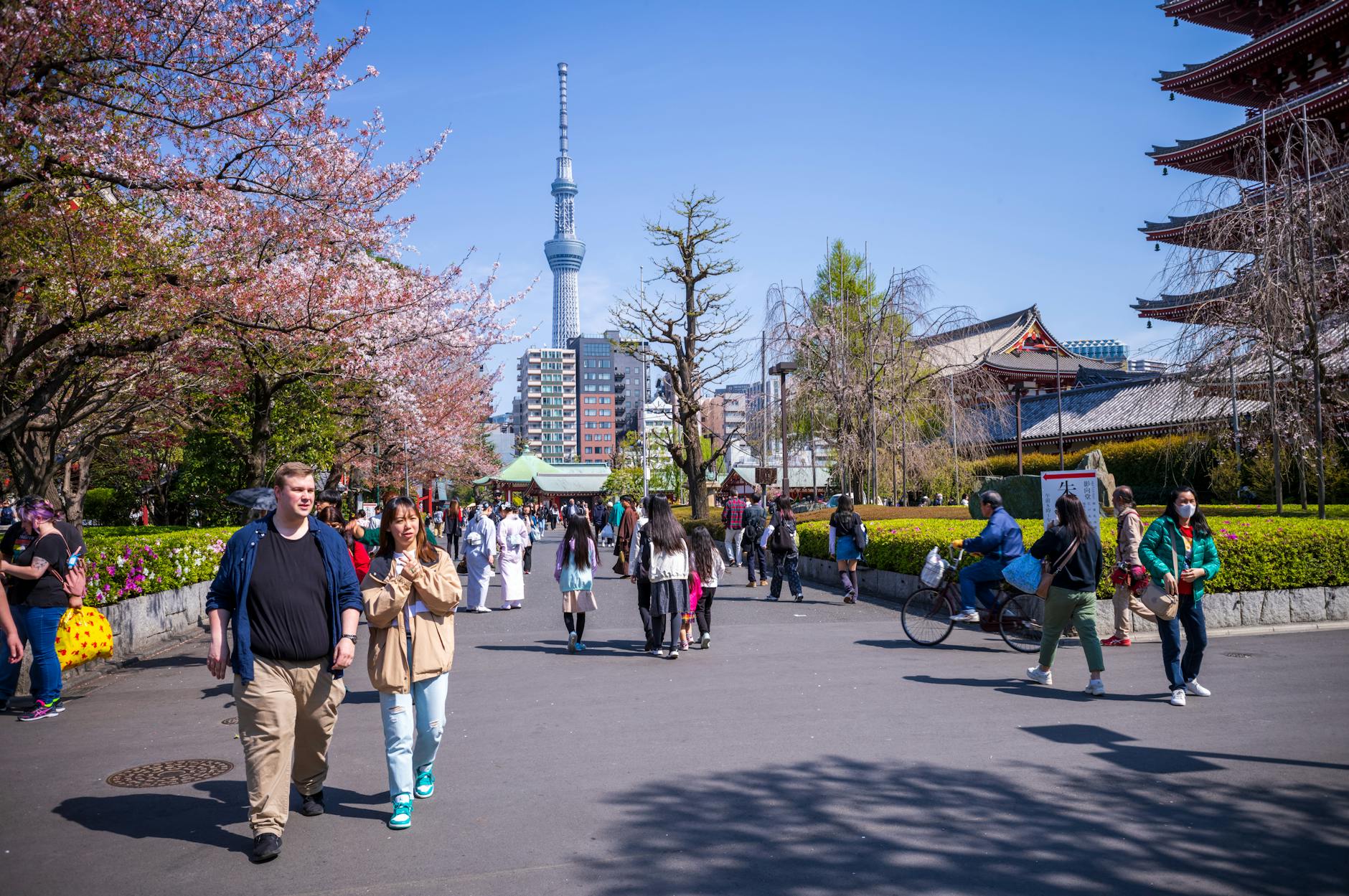
Japan is a country that defies easy description. One moment you're standing in the organized chaos of Shibuya Crossing, surrounded by a thousand people walking in perfect synchronization. Hours later, you're contemplating a moss-covered stone lantern in a silent Kyoto temple, listening to nothing but the wind through bamboo. This is Japan's magic—the seamless blend of hyper-modernity and timeless tradition.
Planning a first trip to Japan can feel overwhelming. The language barrier seems intimidating. The train system looks like a spaghetti diagram designed by a mad genius. And the question everyone asks—is the JR Pass worth it?—has no simple answer. This itinerary cuts through the noise. It is built from real experience, tested routes, and actual 2026 costs. Whether you have $1,500 or $4,000 to spend, this guide will help you make the most of two weeks in one of the world's most rewarding destinations.
The Route: Tokyo → Kyoto → Osaka → Side Trips
Two weeks in Japan hits the sweet spot. It is enough time to move beyond the checklist, to have evenings where you wander without a plan and stumble into the experiences that become stories. This itinerary follows the classic "Golden Route" with strategic detours that most first-timers miss.
Days 1–4: Tokyo — The Organized Chaos
Tokyo deserves four full days minimum. Not because the guidebooks say so—because the city operates on a different frequency than anywhere else on Earth, and it takes time to adjust to its rhythm.
Day 1: Arrive at Narita (NRT) or Haneda (HND). Take the Narita Express or Limousine Bus to your hotel—resist the urge to navigate the subway while jet-lagged. Spend the afternoon recovering, then head to Asakusa in the early evening. Senso-ji Temple, Tokyo's oldest, glows beautifully at night when the day-trip crowds have left. Walk Nakamise shopping street and eat your first taiyaki (fish-shaped waffle with sweet filling).
Day 2: Start at Shinjuku Gyoen (¥500 entry) for a peaceful morning among Japanese, French, and English garden styles. Then dive into Harajuku—Takeshita Street for the youthful chaos, Omotesando for high-end architecture. End in Shibuya for the famous crossing. Skip the Starbucks line; the second-floor window at the Magnet by Shibuya 109 building offers better views.
Day 3: Early morning at Tsukiji Outer Market (the inner wholesale market moved to Toyosu, but the outer market remains excellent). Try fresh sushi for breakfast, tamago (sweet egg), and street food. Then book ahead for teamLab Borderless or Planets—these immersive digital art installations sell out weeks in advance and are genuinely unmissable. Afternoon in Akihabara for electronics culture or Ueno for museums and park space.
Day 4: Day trip to Nikko (2 hours by limited express, ¥2,800 one way) or Kamakura (1 hour, ¥920). Nikko offers the ornate Toshogu Shrine complex and mountain atmosphere. Kamakura provides the Giant Buddha, coastal temples, and a more relaxed vibe. Choose based on weather—Nikko shines in clear conditions; Kamakura works even when overcast.
Days 5–8: Kyoto — The Cultural Heart
The Shinkansen from Tokyo to Kyoto takes 2 hours and 15 minutes on the Nozomi (¥13,870) or 2 hours 35 minutes on the Hikari/Kodama if using a JR Pass. Book seats on the right side for potential Mount Fuji views.
Day 5: Afternoon arrival. Check in, then explore the Higashiyama district. Walk Ninenzaka and Sannenzaka—these cobblestone streets lined with traditional wooden buildings feel like old Kyoto. Continue to Yasaka Shrine and wander Gion Hanamikoji Street at dusk. If you are lucky, you might spot a geiko (Kyoto's term for geisha) or maiko (apprentice) between 5:00 and 7:00 PM.
Day 6: This day requires an early start. Take the first train to Fushimi Inari Shrine—arrive before 7:30 AM. The thousands of vermillion torii gates create tunnels up the mountain, and the early morning light filtering through is magical. The full hike to the summit takes 2–3 hours round trip and is worth every step. By 10:00 AM, head to Arashiyama for the bamboo grove (arrive by 8:00 AM if doing this first) and Tenryu-ji Temple's sublime garden. Afternoon at Kinkakuji (Golden Pavilion)—crowded but iconic.
Day 7: Nara day trip. The express train from Kyoto takes 35–45 minutes (¥710). Nara Park's famous bowing deer are charming at first, then persistent—hide your snacks. The real highlight is Todai-ji Temple, housing a 15-meter bronze Buddha that makes you feel appropriately small. Kasuga Grand Shrine with its thousands of stone and bronze lanterns completes the day. Return to Kyoto for the evening.
Day 8: Slow morning in Kyoto. Visit Nishiki Market ("Kyoto's Kitchen") for food samples, then explore Philosopher's Path if the season is right. Alternatively, Nijo Castle offers Edo-period history without the crowds of the temples. Late afternoon Shinkansen to Osaka (15–30 minutes, ¥570).
Days 9–12: Osaka — Japan's Kitchen
Osaka feels different from Tokyo and Kyoto—grittier, louder, more unapologetically itself. The local saying is "Kyotoites spend their money on clothing; Osakans spend theirs on food." This is where you eat.
Day 9: Drop bags and head straight to Dotonbori. The canal district assaults your senses—in the best way. Giant mechanical crabs, neon signs reflected in water, and the smell of takoyaki (octopus balls) and okonomiyaki (savory pancakes) everywhere. Eat dinner here. Then eat again. Walk off the calories exploring the Shinsaibashi shopping arcade.
Day 10: Morning at Osaka Castle—the exterior is more impressive than the interior museum, but the park is lovely. Afternoon at Kuromon Ichiba Market, a food-focused market where vendors sell everything from sea urchin to wagyu beef on skewers. Evening in Shinsekai, the retro district centered on Tsutenkaku Tower. It feels like 1960s Japan frozen in time.
Day 11: Hiroshima and Miyajima day trip. From Shin-Osaka Station, the Shinkansen to Hiroshima takes 1 hour 20 minutes (¥9,780 one way, covered by JR Pass). The Peace Memorial Museum is essential—allow 2 hours minimum. The adjacent Peace Memorial Park provides contemplative space. Then take the ferry to Miyajima Island for the famous floating torii gate (actually submerged at high tide, framing the water). Itsukushima Shrine and the hiking trail up Mount Misen round out the afternoon.
Day 12: Himeji Castle. Forty-five minutes from Osaka by JR Special Rapid (¥1,520), this is Japan's finest surviving feudal castle—UNESCO-listed, genuinely imposing, and recently restored. The white plaster walls earned it the nickname "White Heron Castle." Pair with Koko-en Garden next door. Return to Osaka for a final izakaya dinner—somewhere smoky, loud, and perfect.
Days 13–14: Return or Extend
Option A — Return to Tokyo: If flying out of Narita or Haneda, take the morning Shinkansen from Shin-Osaka to Tokyo (2.5 hours). Spend the afternoon in a neighborhood you missed—perhaps Shimokitazawa for vintage shopping or Daikanyama for upscale cafe culture.
Option B — Hakone Detour: From Osaka, take the Shinkansen to Odawara (3 hours), then transfer to the Hakone area. Spend the night in a ryokan (traditional inn) with a private onsen (hot spring bath). Day 14 features the Hakone Ropeway, Lake Ashi cruise, and potential Mount Fuji views before returning to Tokyo.
The JR Pass Question: Do the Math
The 14-day JR Pass costs approximately ¥50,000 ($335 USD) as of 2026. Whether it saves money depends entirely on your route.
Individual ticket costs for this itinerary:
- Tokyo → Kyoto (Nozomi): ¥13,870
- Kyoto → Osaka: ¥570
- Osaka → Hiroshima (round trip): ¥19,560
- Osaka → Himeji (round trip): ¥3,040
- Day trips and local JR lines: ~¥8,000
- Total: ~¥45,000+
For this itinerary, the JR Pass breaks even or saves money. The convenience factor—showing your pass and walking onto trains without buying tickets—is worth something too. Important: The JR Pass covers the Hikari and Kodama Shinkansen but not the faster Nozomi. The time difference is only 15–20 minutes. Purchase the JR Pass online before arrival—it is not sold inside Japan.
If staying only in Tokyo and Kyoto with minimal day trips, individual tickets or IC cards may be cheaper.
Where to Stay: From Capsules to Ryokans
Japan offers accommodation experiences you cannot find elsewhere. Mix it up—spend most nights in business hotels, but splurge on at least one ryokan experience.
| Type | Cost/Night | Best For |
|---|---|---|
| Hostel dorm | ¥2,500–4,500 ($17–30) | Solo travelers, meeting people |
| Guesthouse private room | ¥5,000–9,000 ($33–60) | Budget couples, local atmosphere |
| Business hotel (Toyoko Inn, APA) | ¥7,000–12,000 ($47–80) | Practical comfort, great locations |
| Mid-range hotel | ¥12,000–20,000 ($80–133) | Couples wanting comfort |
| Ryokan (with meals) | ¥15,000–50,000 ($100–333) | Cultural experience, onsen |
| Capsule hotel | ¥3,500–6,000 ($23–40) | Solo travelers, unique experience |
Tokyo recommendations: Shinjuku or Shibuya for energy and nightlife; Ueno for quieter stays near museums; Shin-Okubo for budget options one stop from Shinjuku. The Nine Hours Capsule Hotel in Shinjuku offers a genuinely futuristic experience for solo travelers.
Kyoto recommendations: Stay near Kyoto Station for transport convenience or in the Gion/Higashiyama area for atmosphere. Be warned—Kyoto accommodation books up months in advance, especially during cherry blossom (late March–early April) and autumn foliage (November) seasons.
Osaka recommendations: Namba or Dotonbori areas put you in the heart of the food scene. Umeda (near Osaka Station) is better for day trips and transport.
What You Will Actually Spend: Real 2026 Budgets
Japan has a reputation for being expensive. In reality, it is cheaper than London, Paris, or New York—if you know how to travel. Here are realistic two-week budgets excluding international flights.
Budget Traveler: $1,500–1,800
- Accommodation: Hostels, capsule hotels, occasional business hotel (¥5,000/night average)
- Food: Convenience store breakfasts, ramen and chain restaurants, one splurge meal (¥3,500/day)
- Transport: 14-day JR Pass or individual tickets (¥50,000 total)
- Activities: Free temples, parks, walking tours; selective paid attractions (¥30,000 total)
Mid-Range Comfort: $2,200–2,800
- Accommodation: Business hotels, one ryokan night (¥10,000/night average)
- Food: Mix of casual and mid-range restaurants, convenience store snacks (¥6,000/day)
- Transport: 14-day JR Pass plus IC card for local travel (¥55,000 total)
- Activities: teamLab, cooking classes, guided experiences (¥50,000 total)
Comfortable Splurge: $3,500–4,500
- Accommodation: Mid-range to luxury hotels, multiple ryokan nights (¥20,000/night average)
- Food: Michelin recommendations, kaiseki meals, no compromises (¥12,000/day)
- Transport: JR Pass Green Car (first class) for longer journeys
- Activities: Private guides, exclusive experiences, no line waiting
Essential Practical Tips
Get an IC Card immediately. Suica or Pasmo cards, available at any station machine, work on virtually all trains, subways, and buses nationwide. They also work at convenience stores and many restaurants. Load ¥5,000–10,000 at a time. Tap in, tap out, never think about ticket machines again.
Carry cash—seriously. Japan remains surprisingly cash-dependent. Many restaurants, small shops, and even some temples are cash-only. Withdraw from 7-Eleven ATMs (they accept foreign cards) and keep ¥20,000–30,000 on you. Credit cards work at hotels, department stores, and chain restaurants.
Get pocket WiFi or a SIM. Google Maps is essential for navigating train stations with 200 exits. Rent a pocket WiFi device at the airport or buy a data SIM (IIJmio and Rakuten Mobile work well for tourists). Japan's mobile data is fast and reliable everywhere.
Learn basic etiquette. Remove shoes when entering homes, traditional restaurants, and temple buildings. Do not eat while walking. Slurping noodles is encouraged—silence is suspicious. Bow slightly when thanking someone. Stand on the left side of escalators in Tokyo, the right in Osaka (seriously, this changes by city).
Book popular restaurants. High-end sushi, kaiseki, and famous ramen shops often require reservations weeks in advance. For everything else, show up and queue. The line moves fast, and the food is worth it.
When to Visit Japan
Spring (Late March–Early May): Cherry blossom season is magical—and crowded. Book accommodation 4–6 months ahead. Weather is mild but unpredictable.
Summer (June–August): Hot, humid, and festival season. June is rainy season. August brings Obon holiday and intense heat. Good for hiking in the Japanese Alps if you can handle the humidity.
Autumn (September–November): Ideal weather, stunning fall foliage (especially late November), and fewer crowds than spring. The best all-around season.
Winter (December–February): Cold but dry. Clear skies offer the best Mount Fuji views. Northern Japan gets world-class snow for skiing. Tokyo and Kyoto are peaceful and atmospheric.
Final Thoughts: The Japan State of Mind
Japan rewards preparation but punishes over-planning. Leave gaps in your schedule. Get lost in Tokyo's backstreets. Sit in a Kyoto garden for an hour doing nothing. Say yes to the izakaya meal where nobody speaks English and the menu has no pictures. These unplanned moments—watching locals feed stray cats at a shrine, stumbling upon a neighborhood festival, being helped by a stranger who walks you to your destination rather than just pointing—are what make Japan unforgettable.
Two weeks will not be enough. You will leave with a list of places you missed, foods you did not try, temples you passed by. This is not failure; it is the invitation to return. Japan is a country that grows on you slowly, then all at once. By day ten, you will be thinking about when you can come back.
Start planning. The trains run on time, the food is waiting, and somewhere in this extraordinary country, an experience is waiting that will change how you see the world.