
First Time in Japan? The Complete 2-Week Itinerary for 2026
The ultimate 2-week Japan itinerary for first-time visitors. From Tokyo's neon streets to Kyoto's ancient temples, this practical guide answers every question you've seen on Reddit—and reveals how to experience Japan's highlights without the crowds.

So You're Going to Japan for the First Time. Here's Everything You Need to Know.
Japan consistently ranks as one of the most rewarding yet intimidating destinations for first-time travelers. The language barrier, complex train systems, and sheer number of things to see can overwhelm even seasoned globetrotters. But here's the truth: Japan is also one of the easiest countries to travel through once you understand a few key principles.
This 2-week itinerary addresses the most common questions flooding Reddit's travel communities—from "Where should I go for my first trip?" to "How much should I budget?" Consider this your practical guide to experiencing Japan's essential highlights without the typical tourist regrets.

The Golden Route: Why Everyone Takes It (And Why You Should Too)
First-timers often ask if they should skip Tokyo, Kyoto, and Osaka to "get off the beaten path." Here's my advice: don't. These three cities form Japan's "Golden Route" for good reason—they offer the most concentrated introduction to Japanese culture, history, and modernity in a compact geographic area.
Instead of avoiding these destinations, the trick is experiencing them differently than the crowds. After a decade of regular visits to Japan, I've learned that overtourism isn't about the destinations themselves—it's about when and how you visit them.
Your Day-by-Day 2-Week Japan Itinerary
Days 1–4: Tokyo — Controlled Chaos
Where to stay: Base yourself in Shibuya or Shinjuku for maximum convenience. Shinjuku offers better hotel value and the world's busiest train station (which is actually a feature, not a bug). Shibuya puts you at the center of youth culture and the famous crossing.
Must-do experiences:
- Shibuya Crossing at night: Visit between 7–9 PM when the crowds peak. The Starbucks overlooking the crossing is cliché but offers the best vantage point.
- TeamLab Borderless or Planets: These immersive digital art museums sell out weeks in advance. Book online before your trip.
- Tsukiji Outer Market: Go at 8 AM. The inner wholesale market moved to Toyosu, but the outer market still offers incredible street food without the 4 AM wake-up call.
- Meiji Shrine: A 10-minute walk from Harajuku station transports you from neon chaos to forest serenity. Visit early morning for near-solitude.
Skip this: The Robot Restaurant. It's overpriced, touristy, and closed indefinitely anyway. Spend that money on a kaiseki dinner instead.
Day 5: Mt. Fuji Day Trip
The classic mistake is trying to "see Mt. Fuji" as if it's an attraction you visit. Mt. Fuji is a weather-dependent, distant viewing experience. Here's how to actually succeed:
- Hakone: Take the Romancecar train from Shinjuku. Use the Hakone Freepass for unlimited local transport. The pirate ship across Lake Ashi and ropeway offer Fuji views—with luck.
- Kawaguchiko: Closer to the mountain with direct bus access. Rent a bike and cycle around the lake's northern shore for iconic Fuji reflections.
Reality check: Mt. Fuji is visible only 60-70 days per year. If you see it, celebrate. If not, Hakone and Kawaguchiko are worth visiting regardless.
Days 6–9: Kyoto — Ancient Capital, Modern Crowds

Kyoto deserves its reputation, but the crowds at Kiyomizu-dera and Fushimi Inari can ruin the experience. Here's how to beat them:
- Fushimi Inari: Arrive at 6 AM. The famous torii gate tunnels are nearly empty, and the morning light filtering through is magical. By 9 AM, it's a conveyor belt of tourists.
- Kiyomizu-dera: Visit at opening (6 AM) or during evening illuminations (seasonal). The wooden stage under floodlights is unforgettable.
- Arashiyama Bamboo Grove: Skip it unless you're there by 7 AM. Instead, walk the lesser-known paths through the surrounding temple gardens.
Better alternatives: Tofuku-ji Temple offers stunning gardens with a fraction of the visitors. The Philosopher's Path rewards early morning strolls with actual philosophy—not just Instagrammers.
Day 10: Nara Day Trip
Nara is a 45-minute train ride from Kyoto and feels like a half-day experience that punches above its weight. The famous bowing deer roam freely around Todai-ji Temple, home to the world's largest bronze Buddha. The deer have learned that tourists equal food, so expect aggressive head-butts if you buy the crackers.
Pro tip: Visit Kasuga Taisha shrine in the afternoon when the stone lanterns create dappled light patterns through the forest. It's hauntingly beautiful and rarely crowded.
Days 11–12: Hiroshima and Miyajima
The Shinkansen from Kyoto to Hiroshima takes 90 minutes—book seats on the right side for potential Fuji views if the weather cooperates.
Hiroshima: The Peace Memorial Park and Museum demand at least half a day. It's emotionally heavy but essential. The A-Bomb Dome, preserved in its destroyed state, stands as a powerful testament.
Miyajima: Take the ferry from Hiroshima for the floating torii gate. Check tide schedules—the gate appears to float only at high tide. Stay overnight if possible; the daytime crowds disappear after 5 PM, leaving a magical, deer-filled island.
Days 13–14: Osaka — Japan's Kitchen
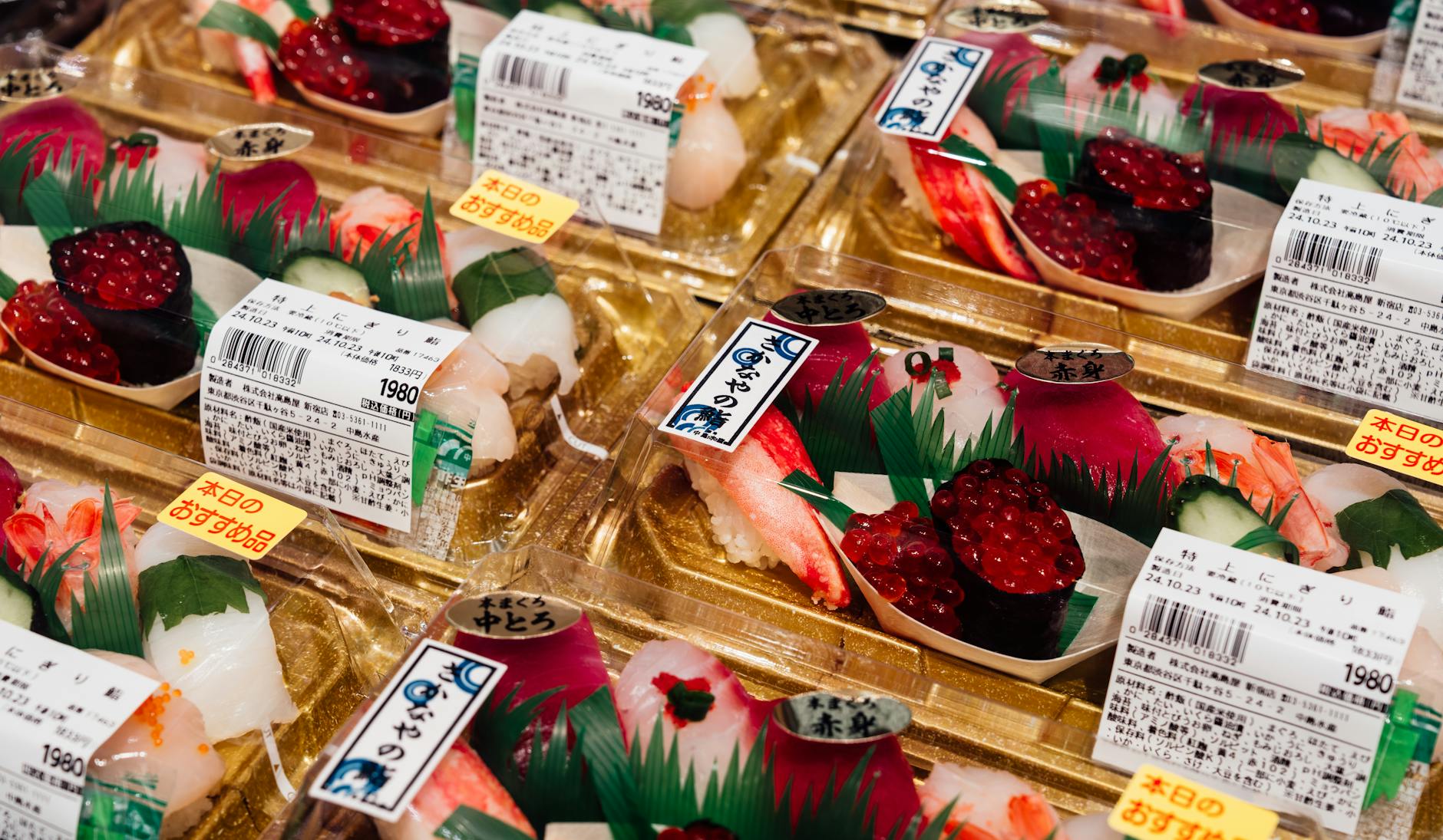
Osaka is often dismissed as "just a city," but it's actually the food capital of Japan. Tokyo has more Michelin stars, but Osaka has soul.
Where to eat:
- Dotonbori: Touristy but unmissable. The neon Glico running man sign and oversized moving crab are icons. Eat takoyaki (octopus balls) from a street vendor.
- Shinsekai: The "New World" district retains pre-war atmosphere. Kushikatsu (deep-fried skewers) originated here. Restaurant rule: no double-dipping in the shared sauce.
- Kuromon Ichiba Market: Osaka's "Kitchen" for 170 years. Fresh seafood, wagyu beef on sticks, and melon soft serve. Go hungry.
Osaka Castle: The exterior is stunning; the interior is a modern museum. Take photos from the park, but save your castle interior exploration for Himeji (if you have extra time).
Budget Reality Check: What 2 Weeks Actually Costs
Reddit threads constantly debate Japan's affordability. Here's the honest breakdown for 2026:
- Accommodation: ¥8,000–15,000 ($55–100 USD) per night for mid-range hotels. Business hotels like Daiwa Roynet or Richmond offer excellent value.
- Food: ¥3,000–6,000 ($20–40 USD) per day. Convenience store meals (7-Eleven, Lawson, FamilyMart) are surprisingly good and cost ¥500–800.
- Transportation: The 7-day Japan Rail Pass costs ¥50,000 (~$335 USD) but doesn't pay off for this itinerary. Buy individual Shinkansen tickets instead—you'll save money.
- Activities: ¥1,000–3,000 per day for temples, museums, and experiences.
Total realistic budget: $2,500–4,000 per person for 2 weeks, excluding flights. Budget travelers can cut this to $1,800 by staying in hostels and eating primarily from convenience stores.
Essential Japan Travel Tips for First-Timers
Get a Suica or Pasmo IC card immediately. These rechargeable cards work on virtually all trains, buses, and even convenience stores. Tap in, tap out. No ticket machine confusion.
Download Google Translate and the camera feature. Point your phone at Japanese text for instant translation. It's not perfect, but it's life-changing for reading menus.
Don't tip. Ever. It's not done in Japan and can actually cause confusion.
Carry cash. Japan is still surprisingly cash-based. Many small restaurants and shops don't accept cards. Withdraw from 7-Eleven ATMs—they accept foreign cards.
Take your shoes off. When entering homes, temples, traditional restaurants, and some museum exhibits. If you see a step up and a row of shoes, follow suit.
Be quiet on trains. Talking on phones is forbidden. Conversations should be whispered. Eating is acceptable on long-distance trains but not on subways.
The Bottom Line
Japan rewards preparation but punishes over-planning. Leave gaps in your schedule for wandering, for following your nose into that tiny ramen shop, for getting lost and discovering something unplanned.
The Reddit threads asking "Where should I go for my first Japan trip?" all share a common thread: first-timers want certainty in an uncertain experience. This itinerary provides structure, but the magic happens in the moments between the scheduled stops.
Book your accommodations and a few key reservations (TeamLab, any Michelin-starred restaurants), but leave room for spontaneity. Japan is safer, cleaner, and more welcoming than almost any destination you can name. The train that seems impossible to navigate becomes intuitive after your second day.
Your first trip to Japan won't be your last. That's not a prediction—it's a warning. Welcome to the obsession.
Quick Reference: Your 2-Week Japan Summary
- Fly into: Haneda Airport (closer to Tokyo than Narita)
- Base cities: Tokyo (4 nights) → Kyoto (4 nights) → Hiroshima (1 night) → Osaka (3 nights)
- Day trips: Mt. Fuji (from Tokyo), Nara (from Kyoto), Miyajima (from Hiroshima)
- Best time to visit: March–May (cherry blossoms) or October–November (fall colors)
- Budget: $2,500–4,000 per person (excluding flights)