
First Time in Morocco? Here's the Perfect 2-Week Itinerary for 2026 (With Real Costs)
Planning your first trip to Morocco? This comprehensive 2-week itinerary covers Marrakech, the Sahara Desert, Fes, Chefchaouen, and Tangier with real 2026 costs, accommodation picks for every budget, and logistics that actually work.
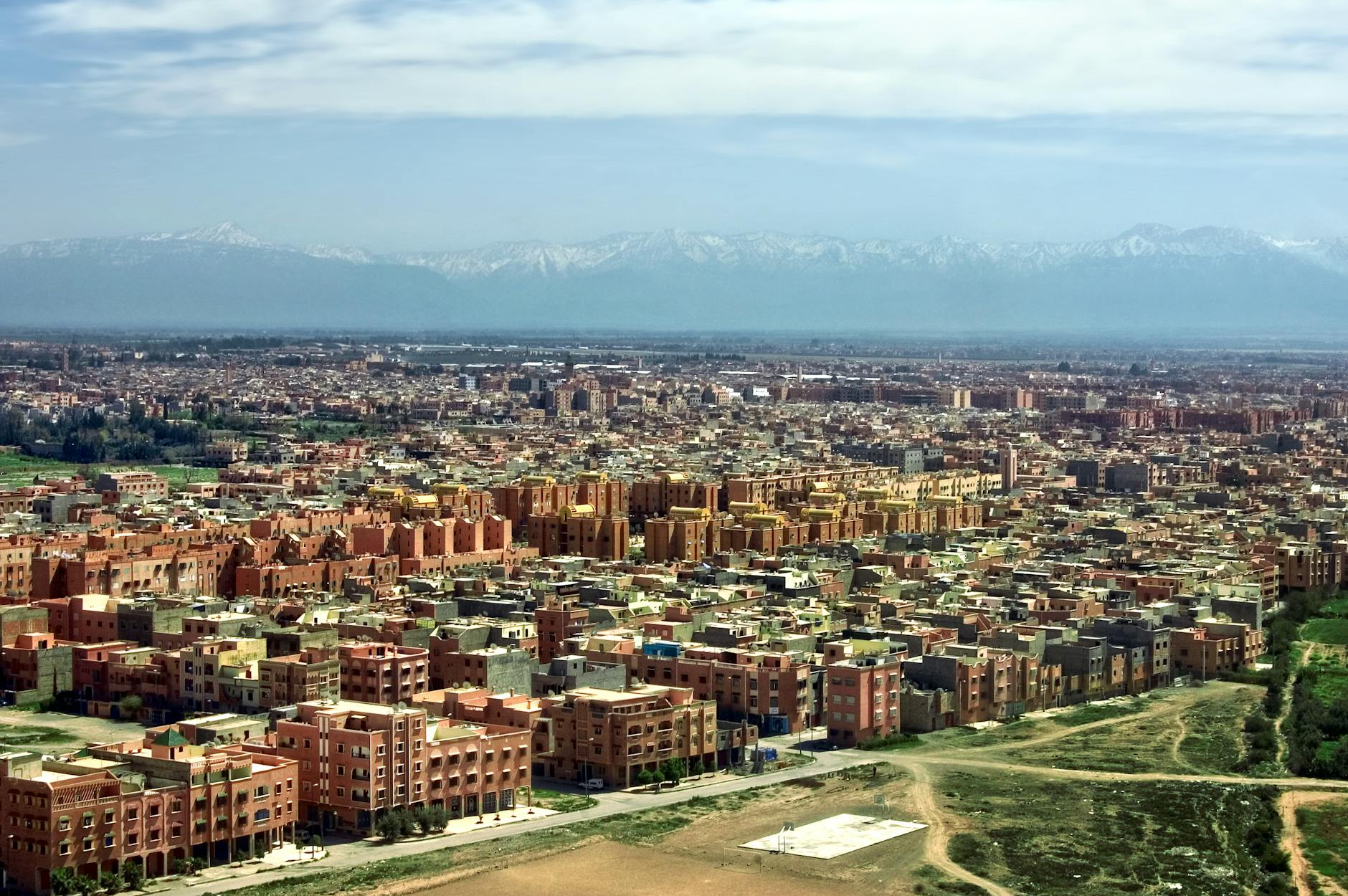
You have seen the photos. The winding blue alleyways of Chefchaouen. The golden dunes of the Sahara at sunrise. The sensory overload of Marrakech's Jemaa el-Fnaa square, where snake charmers compete with storytellers for your attention. Morocco has topped bucket lists for years, and 2026 is shaping up to be the year this North African gem claims its spot as the ultimate first-time destination.
But here is the reality most guidebooks gloss over. Morocco can feel overwhelming. The medinas are labyrinthine by design. The bargaining culture catches Western travelers off guard. The touts at train stations have decades of practice spotting confused tourists. Without a plan, your first trip becomes a series of expensive mistakes and missed connections.
I put together this 2-week Morocco itinerary based on what actually works in 2026. Real bus times. Current accommodation prices. Restaurant recommendations that are not tourist traps. Whether you are a solo traveler on a tight budget or a couple splurging on a few luxury nights, this guide gives you specific numbers and logistics.
Why Morocco in 2026 Makes Perfect Sense
Morocco offers something rare: genuine cultural immersion without requiring a second mortgage. The dirham trades favorably against most Western currencies, making this one of the few places where your money actually stretches further than it did five years ago.
The infrastructure improved dramatically. The high-speed train connecting Tangier to Casablanca cut journey times in half. New guesthouses opened in overlooked towns like Tetouan and Meknes. The Sahara desert camps upgraded their amenities without losing the magic of sleeping under desert stars.
Visa requirements remain refreshingly simple. US, Canadian, UK, Australian, and EU citizens get 90 days visa-free. Just show up with a passport valid for six months beyond your departure date.
The Perfect 2-Week Morocco Itinerary: Overview
This route follows a logical geographic flow that minimizes backtracking. You will hit the highlights without spending half your trip on buses.
The Route: Marrakech (4 nights) → Sahara Desert (2 nights) → Fes (3 nights) → Chefchaouen (3 nights) → Tangier (1 night)
Starting in Marrakech works best for first-timers. The airport connects to major European hubs, and the chaos of the Red City prepares you for everything else. Ending in Tangier lets you either fly out of the north or catch the ferry to Spain if you are continuing your travels.
Days 1–4: Marrakech — Embracing the Chaos
Most travelers need a full day just to acclimate to Marrakech. The medina assaults your senses. Motorbikes zip past inches away. Shopkeepers call out in five languages. The call to prayer echoes across terracotta rooftops five times daily.
Give yourself four nights here. It sounds like a lot, but you will use every minute.
Where to Stay in Marrakech
Stay inside the medina for the authentic experience. Riads are traditional Moroccan houses built around central courtyards, converted into guesthouses. They offer tranquility steps from the chaos.
Budget: Boho 27 Hostel — dorm beds $10/night, private rooms $25/night. Rooftop terrace and free mint tea included.
Mid-range: Riad Melhoun & Spa — around $60-80/night. Ten minutes from Jemaa el-Fnaa, five minutes from Bahia Palace. The courtyard fountain alone justifies the price.
Splurge: La Mamounia — if your budget allows $800+/night, this legendary palace hotel sets the standard for Moroccan luxury.
What to Do in Marrakech
Day one should be intentionally unstructured. Wander. Get lost. The medina rewards aimless exploration. The souks organize by trade — leatherworkers in one quarter, metalworkers in another, spice merchants near the Rahba Kedima square.
Day two: Hit the monuments. Bahia Palace ($7 entry) showcases 19th-century Moroccan craftsmanship. The Saadian Tombs ($7) pack intricate marblework into a surprisingly compact space. Ben Youssef Madrasa ($6) features the finest carved cedar and stucco in the city. These three fill a morning.
Spend afternoons at Jardin Majorelle ($15). Yves Saint Laurent saved this botanical garden from development, and his ashes rest in a memorial here. The cobalt blue villa contrasts sharply with the desert colors dominating the rest of the city. Arrive by 9 AM to beat the crowds.
Day three: Take a cooking class. The Faim d'Épices class ($65 including market tour) teaches you to prepare a three-course Moroccan meal. You will never look at a tagine the same way.
Day four: Day trip to the Atlas Mountains or Ouzoud Waterfalls. Shared tours run $40-50 including transport and guide. The Ourika Valley offers the easiest mountain escape, just 90 minutes from the medina.
Days 5–6: The Sahara Desert — The Highlight of Your Trip
No first-time Morocco itinerary skips the Sahara. Those sunrise camel treks across golden dunes justify the entire journey.
You cannot do this independently. Desert camps require 4x4 access through terrain that swallows rental cars. Book a 3-day/2-night tour from Marrakech to Fes that includes one night in a desert camp.
Choosing Your Desert Tour
Tour quality varies dramatically. Budget options ($80-120) cram 20 people into minivans and use basic camps with shared bathrooms. Mid-range tours ($180-250) limit groups to 8-12, use comfortable a/c vehicles, and stay at proper camps with private tents and hot showers. Luxury camps ($400+) offer gourmet meals and premium locations deeper in the dunes.
What the tour includes: Transport from Marrakech, one hotel night near Tinghir or Boumalne Dades, one night in a desert camp at Merzouga, camel trek, all meals, and drop-off in Fes.
Highlights along the way: Ait Ben Haddou, the UNESCO kasbah featured in Game of Thrones and Gladiator. Todra Gorge, where 300-meter limestone walls narrow to just 10 meters across. The Dades Valley, nicknamed "Valley of a Thousand Kasbahs."
Request a camp on the Erg Chebbi dunes rather than the closer Erg Chigaga. Chebbi offers more impressive dune formations and easier access. Wake up before dawn for the camel trek to the dune summit. The silence of the desert at sunrise justifies every dirham spent.
Days 7–9: Fes — The Spiritual Heart of Morocco
Fes el-Bali, the old medina, is the world's largest car-free urban area. Founded in the 9th century, it remains Morocco's cultural and religious capital. Where Marrakech feels performative, Fes feels authentic. The leather tanneries here supplied medieval Europe.
The train from the desert tour drop-off point takes about 5 hours and costs $15-25 depending on class. CTM buses offer a cheaper alternative at $12 but take 6-7 hours.
Where to Stay in Fes
Stay in the medina, but near a gate for easier luggage access. The streets are narrower and hillier than Marrakech.
Budget: Dar Hlimi — $25-35/night. Basic but clean, with an excellent rooftop terrace and complimentary breakfast.
Mid-range: Riad Verus — $70-90/night. Located near Bab Bou Jeloud, the main medina entrance. Beautifully restored with original tilework.
What to Do in Fes
Day one: Hire a guide for the medina. The 9,000 alleyways genuinely confuse even GPS. Official guides charge $40-50 for a half-day. They will navigate you to the Chouara Tannery, Al-Attarine Madrasa, and the Kairaouine Mosque (exterior only for non-Muslims).
The tannery visit requires advance preparation. The smell hits you first — centuries of urine and pigeon droppings used to cure leather. Guides provide mint sprigs to hold under your nose. The view from surrounding leather shops reveals the full panorama of stone vessels filled with colored dyes.
Day two: Explore independently now that you have bearings. The Nejjarine Museum of Wooden Arts & Crafts ($3) showcases the incredible woodworking heritage. Jnan Sbil Botanical Gardens offer medina-adjacent tranquility. The Marinid Tombs provide panoramic sunset views over the medina.
Day three: Day trip to Volubilis and Meknes. The Roman ruins at Volubilis ($5 entry) represent the best-preserved archaeological site in Morocco. Mosaics still cover villa floors 2,000 years later. Meknes, one of Morocco's imperial cities, offers a more relaxed medina experience. Shared tours cost $50-60; independent travel via grand taxi runs $30-40.
Days 10–12: Chefchaouen — The Blue Pearl
Chefchaouen existed in relative obscurity until Instagram discovered it. Now the blue-washed mountain town draws visitors specifically for photography. Yet beneath the social media hype lies a genuinely charming destination with a unique history.
The Spanish occupied Chefchaouen from 1920 to 1956, leaving architectural influences rare elsewhere in Morocco. Jewish refugees fleeing Hitler added the blue-washing tradition in the 1930s. The color supposedly represents the sky and heaven.
The CTM bus from Fes takes 4 hours and costs $12-15. The mountain roads are winding but paved. Arrive early afternoon to catch the golden hour light that makes the blue walls glow.
Where to Stay in Chefchaouen
Budget: Dar Zambra — $20-30/night. Simple rooms, incredible views from the terrace.
Mid-range: Lina Ryad & Spa — $70-100/night. Located inside the medina with a beautiful pool and traditional hammam.
What to Do in Chefchaouen
The main activity here is wandering. Every corner presents another photo opportunity. The blue intensifies as you climb toward the kasbah and the Spanish Mosque on the town's eastern edge.
Day trip to Akchour Waterfalls: A 30-minute taxi ride ($10-15 each way) reaches the trailhead. The hike to the main waterfall takes 90 minutes through cedar forest. The natural rock pools offer swimming in summer months. Pack a picnic; food options at the trailhead are limited.
Chefchaouen also offers Morocco's best shopping. The relaxed atmosphere means less aggressive sales tactics than Marrakech or Fes. Woven blankets, leather goods, and argan oil products sell at fair prices without the three-hour bargaining sessions required elsewhere.
Day 13: Tangier — The Gateway to Africa
Tangier fascinates and frustrates in equal measure. The city's history as an international zone attracted spies, artists, and eccentrics for decades. Paul Bowles wrote here. The Rolling Stones recorded here. William Burroughs wrote Naked Lunch in a hotel room overlooking the Mediterranean.
The CTM bus from Chefchaouen takes 2.5 hours and costs $8. Grand taxis run faster ($12 per seat) but squeeze four passengers into the back seat.
One night suffices here unless you are catching a ferry to Spain. The medina lacks the depth of Fes or Marrakech, but the coastal setting offers something different.
What to Do in Tangier
The Kasbah Museum ($3) occupies the former sultan's palace with views across the strait to Spain. The Caves of Hercules ($2) feature a sea-facing opening shaped like the African continent. The beachfront promenade provides a Mediterranean atmosphere distinct from Morocco's imperial cities.
If your flight departs from Casablanca rather than Tangier, the high-speed train covers the distance in just over 2 hours ($20-35). This engineering marvel reaches speeds of 320 km/h through the Moroccan countryside.
Real Costs: Budget Breakdown for 2 Weeks in Morocco
These estimates reflect 2026 prices and assume mid-range accommodation with occasional splurges.
Budget Traveler ($900-1,200 total)
- Accommodation: $15-25/night (hostels, basic riads)
- Food: $15-20/day (street food, local restaurants)
- Transport: $150 total (buses, shared taxis)
- Activities: $200 total (guided tours, entry fees, desert tour budget option)
- Miscellaneous: $100 (souvenirs, tips, SIM card)
Mid-Range Traveler ($1,800-2,400 total)
- Accommodation: $50-80/night (quality riads, boutique hotels)
- Food: $35-50/day (mix of restaurants and cooking classes)
- Transport: $250 total (CTM buses, private transfers where needed)
- Activities: $400 total (mid-range desert tour, guided medina tours, day trips)
- Miscellaneous: $200 (souvenirs, spa treatments, tips)
Luxury Traveler ($4,000+ total)
- Accommodation: $200-500/night (luxury riads, palace hotels)
- Food: $80-150/day (fine dining, private guides)
- Transport: $500+ (private drivers, first-class train)
- Activities: $800+ (luxury desert camps, private tours)
- Miscellaneous: $500+ (spa treatments, premium souvenirs)
Essential Tips for First-Timers
Money and Payments
The Moroccan dirham (MAD) cannot be exchanged outside the country. Bring euros or dollars and convert at the airport, or withdraw from ATMs. Al Barid Bank ATMs charge no foreign card fees. The maximum withdrawal is 2,000 MAD (about $200). Credit cards work at larger hotels and restaurants, but cash dominates the medinas.
Getting Connected
Buy a local SIM at the airport. Maroc Telecom and Inwi both offer 20GB packages for about $20. E-sims cost more for short trips. WhatsApp works perfectly for calling hotels and tour operators.
Staying Safe
Morocco is remarkably safe for travelers. Violent crime targeting tourists is rare. The main concerns are pickpockets in crowded medinas and overcharging by unofficial guides. Politely decline offers from "helpful strangers" near bus stations and medina entrances.
Female travelers should dress modestly, particularly outside major tourist areas. Shoulders and knees should be covered. This is not just about respect; it significantly reduces unwanted attention.
Food and Water
The tap water is technically safe but highly chlorinated. Most travelers prefer bottled water ($0.50 for 1.5L). Street food carries some risk, but busy stalls with high turnover are generally fine. Trust your instincts.
Vegetarians will find plenty of options: tagines with vegetables and couscous, harira soup, and bessara (fava bean dip). Vegans should specify "no butter" as many vegetable dishes use it for flavor.
Bargaining Culture
Everything in the souks is negotiable. Start at 40% of the asking price and meet somewhere in the middle. Walking away often produces better offers. Do not bargain unless you intend to buy; it is considered disrespectful to negotiate extensively and then decline.
When to Visit Morocco
Spring (March to May) and autumn (September to November) offer ideal conditions. Temperatures hover between 70-80°F during the day, dropping to comfortable sleeping weather at night. Desert nights get cold regardless of season — pack layers.
Summer (June to August) brings intense heat. Marrakech regularly exceeds 105°F. The Atlantic coast (Essaouira, Agadir) remains tolerable, but inland travel becomes exhausting.
Winter (December to February) works for desert trips but brings rain to the north. Mountain regions see snow. Accommodation prices drop 30-40% outside peak seasons.
Ramadan shifts annually according to the Islamic calendar. During this month, many restaurants close during daylight hours, and transportation schedules change. In 2026, Ramadan runs approximately February 17 to March 18. Plan accordingly.
So, Is 2 Weeks Enough?
Two weeks covers Morocco's essential circuit without rushing. You will see the imperial cities, sleep in the Sahara, photograph the blue streets of Chefchaouen, and understand why this country captivated travelers for generations.
What you will miss: the Atlantic coast (Essaouira deserves 2-3 days), the Anti-Atlas mountains, the far south around Zagora, and the Spanish enclaves of Ceuta and Melilla. These justify a return trip.
Morocco rewards preparation. The travelers who struggle are the ones who arrive expecting a passive beach holiday. Come ready to engage — with the culture, the food, the occasional chaos — and Morocco delivers one of travel's most rewarding experiences.
Have you booked your flights yet?