
First Time in Portugal? Here's the Perfect 2-Week Itinerary for 2026 (With Real Costs)
Portugal keeps popping up on Reddit's r/travel as the destination everyone asks about. Here's your complete answer: a 14-day itinerary covering Lisbon, Porto, the Algarve and hidden gems, with real 2026 costs for every budget.
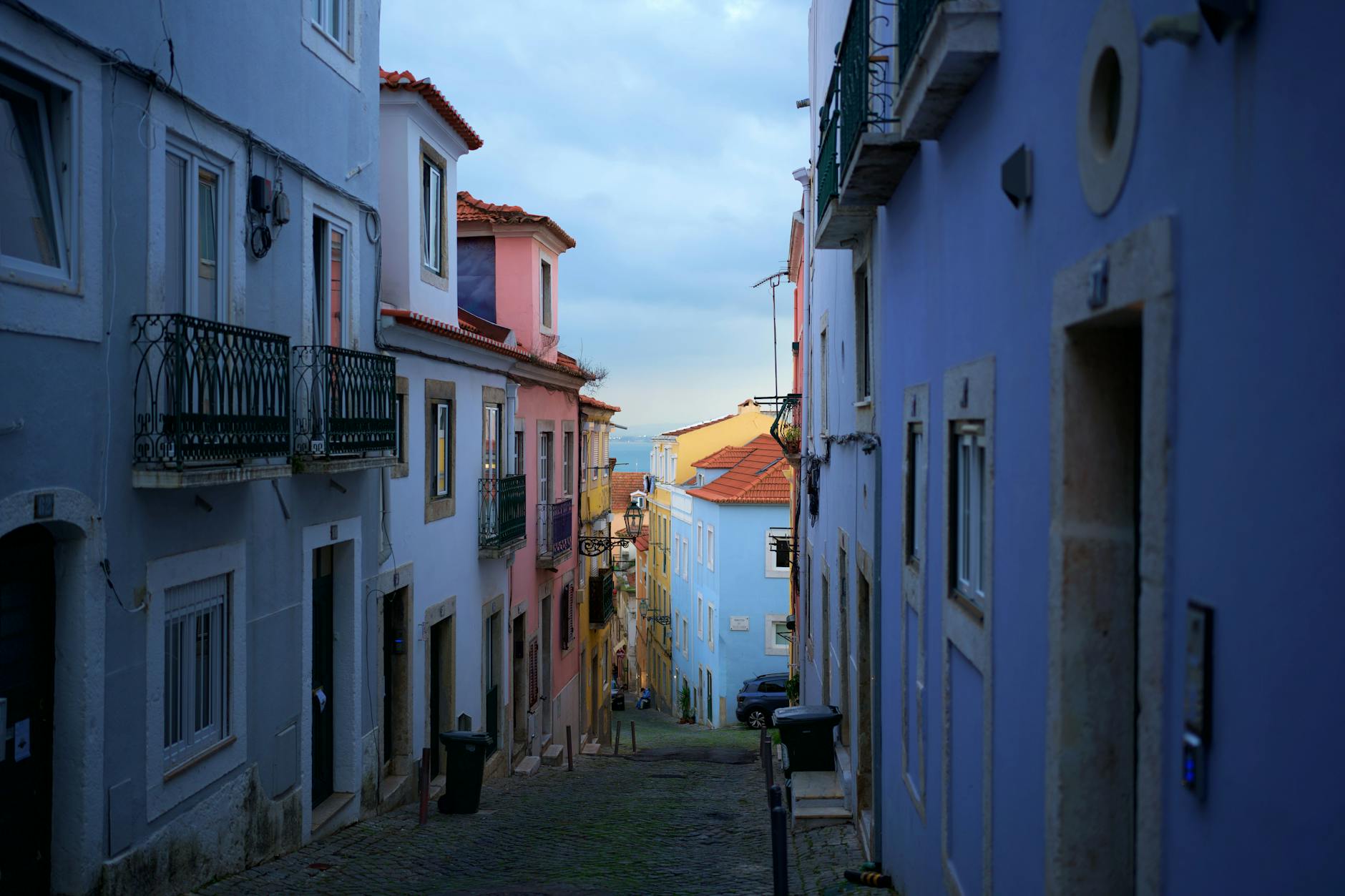
Portugal keeps popping up on Reddit's r/travel as the destination everyone's asking about but few have fully explored beyond a weekend in Lisbon. The questions are always the same: "Is two weeks too long?" "Should I rent a car?" "How much will I actually spend?"
I spent fourteen days driving from Lisbon's cobblestone hills to Porto's wine caves, through the Algarve's sea-carved cliffs and into the medieval villages most tourists skip entirely. Portugal isn't just Europe's budget alternative anymore—it's a destination that rivals Italy for food, Spain for nightlife, and France for wine, all at roughly half the price.
Here's your complete answer to the Reddit question that gets asked every week: how to spend two weeks in Portugal without missing the good stuff or blowing your budget.
Why Portugal Deserves Two Full Weeks
Most first-timers make the same mistake. They book five days in Lisbon, take a day trip to Sintra, and think they've seen Portugal. They've seen about 15% of it.
The country's compact size deceives you. You can drive from north to south in about six hours, but that misses the point entirely. Portugal rewards slowing down—lingering over coffee in a village square, discovering a family-run tasca in the Alentejo countryside, watching the sunset from a cliff-top lighthouse in the Algarve.
Two weeks gives you enough time to experience three distinct regions: the vibrant cities of Lisbon and Porto, the golden beaches and dramatic coastline of the Algarve, and the lesser-explored interior that most guidebooks barely mention.
The Perfect 14-Day Portugal Itinerary
Days 1-4: Lisbon — The City of Seven Hills
Start in Lisbon. Not because it's the capital, but because it eases you into Portugal's rhythm better than anywhere else. The city moves slowly in the mornings, explodes into life at night, and never quite follows the schedule it promises.
Where to stay: Base yourself in Baixa or Chiado for first-timers. You'll pay €80-120 per night for a solid three-star hotel in peak season (May-September), or €40-70 for a well-reviewed private room in a central hostel. Alfama is charming but the hills will punish you after a few days.
Day 1: Walk, don't ride. Start at Praça do Comércio, the massive waterfront square that opens to the Tagus River. From there, wander uphill through Baixa's grid of streets toward the Elevador de Santa Justa—a 19th-century iron elevator that saves you climbing to the Bairro Alto neighborhood. Skip the elevator queue and walk up the adjacent stairs; the view from the top is identical and costs nothing.
Day 2: Take tram 28. Yes, it's touristy. Yes, it's crowded. But it rumbles through the most photogenic parts of Lisbon—Alfama's winding alleys, past the Sé Cathedral, through Graça—and costs just €3 if you pay onboard or use a loaded Viva Viagem card. Ride it early (before 9am) to avoid the cruise ship crowds.
Day 3: Sintra day trip. This UNESCO World Heritage town 40 minutes from Lisbon draws 3 million visitors annually for good reason. The Pena Palace looks like something Walt Disney designed after a fever dream—bright yellows and reds climbing a forested hilltop. Book tickets online at least two weeks ahead during peak season; same-day entry often sells out by 10am.
The €14 palace entry is worth it once. For a better experience, hike the trails through Parque da Pena (€7.50) which connect multiple viewpoints without the crowds. The Castle of the Moors nearby offers equally dramatic views with half the tourists.
Day 4: Belém district. Take the tram or bus west to where the Tagus meets the Atlantic. The Jerónimos Monastery is Gothic architecture at its most excessive—intricate stone carvings that took 100 years to complete. Entry is €10, or free with the Lisbon Card. Walk to the Belém Tower (€6) and the Monument to the Discoveries, then queue at Pastéis de Belém for the original custard tarts. The recipe hasn't changed since 1837.
Day 5: Transition Day — Lisbon to the Algarve
Rent a car today. You'll need it for the Algarve and Alentejo regions, and picking up in Lisbon and dropping in Porto (or vice versa) typically adds only €50-80 to your rental cost.
Drive south toward Porto Covo, a whitewashed fishing village that feels like Portugal from thirty years ago. It's the perfect introduction to the Alentejo coast—quiet beaches, fresh seafood, and none of the resort-town energy you'll find further south. Stay at a guesthouse in the old town (€60-90/night) and watch the sunset over the fortress ruins.
Days 6-8: The Algarve — Beyond the Package Resorts
The Algarve divides visitors. Those who stay in Albufeira or Lagos see neon-signed Irish pubs and overpriced beach umbrellas. Those who venture east to Tavira or west to Sagres discover why this coastline rivals anything in the Mediterranean.
Day 6: Drive the coastal route through Vila Nova de Milfontes and Zambujeira do Mar. Stop at Cabo Sardão to see the storks nesting on sea cliffs—the only place in the world where they do this. Stay in Arrifana or Carrapateira, surf towns with a laid-back vibe and dramatic Atlantic views. Expect €70-100/night for boutique guesthouses.
Day 7: The western Algarve's beaches. Praia da Bordeira stretches for miles with sand dunes backing onto it. Praia do Amado draws surfers. Praia da Marinha, near Lagoa, features the iconic limestone arches and sea stacks that appear on every Portugal tourism poster. Arrive before 10am to secure parking and avoid the midday coach tours.
Day 8: Sagres and Cabo de São Vicente. This is Europe's southwestern tip, where Henry the Navigator supposedly built his navigation school. The fortress (€3) offers bleak, beautiful views across the Atlantic. Fewer tourists make it here, and those who do tend to linger. Stay in Sagres or drive to Lagos for more dining options (€80-130/night).
Day 9: Évora — The Alentejo's White City
Head inland to Évora, a UNESCO-listed walled city that showcases Portugal's medieval and Roman history. The Temple of Diana stands in the main square—fourteen Corinthian columns from the first century AD. The Chapel of Bones (€6) lives up to its name: walls lined with skulls and femurs, inscribed with the message "We bones that are here, await yours."
Évora is the heart of Alentejo wine country. Book a tasting at one of the nearby estates—Herdade do Esporão or Cartuxa—for €15-25 including tapas. Stay inside the city walls (€70-100/night) and eat at a tasca where locals outnumber tourists.
Day 10: Óbidos — The Walled Village
North of Lisbon, Óbidos looks like a film set. Whitewashed houses wrapped in bougainvillea, entirely enclosed by 14th-century walls you can walk along. The main street (Rua Direita) sells overpriced souvenirs, but venture into the side alleys for family restaurants serving caldeirada (fish stew) and ginjinha, the sour cherry liqueur served in chocolate cups.
Stay overnight (€60-90/night) to experience Óbidos after the day-trippers leave. The village quiets down at 6pm, and walking the walls at sunset feels like having the place to yourself.
Days 11-12: The Douro Valley — Where Port Wine Begins
The drive from Óbidos to the Douro Valley takes you through Portugal's interior—rolling hills, cork oak forests, and villages where life hasn't changed much in decades. Stop in Viseu for lunch, a university town with one of Portugal's most beautiful old quarters.
Base yourself in Pinhão or Peso da Régua. The Douro Valley's terraced vineyards climb steeply from the river, creating landscapes that feel more like Southeast Asia than Europe. Book a boat cruise (€25-40) and visit two quintas (wine estates) for tastings. Graham's, Taylor's, and Croft all offer excellent tours in English for €15-20.
Stay at a vineyard hotel if your budget allows (€120-200/night). The views at sunrise justify the splurge. Budget alternatives in the towns run €60-90/night.
Days 13-14: Porto — Portugal's Soul
Porto feels like Lisbon's more serious older sibling. The buildings are older, the hills steeper, the wine stronger. Spend two full days here minimum.
Day 13: The Ribeira district. Walk along the Douro River, cross the Dom Luís I Bridge (designed by a Gustave Eiffel disciple), and explore the Vila Nova de Gaia side where port wine houses line the waterfront. Book a tasting at Graham's Lodge or Taylor's—their terraces offer the best views back across to Porto.
Climb to Livraria Lello, the bookstore that supposedly inspired Harry Potter's Hogwarts. The €8 entry fee includes a voucher for books. The nearby Clérigos Tower (€6) offers 360-degree city views if you're willing to climb 240 steps.
Day 14: Serralves Museum and Foz do Douro. The contemporary art museum (€20) sits in stunning gardens designed by Jacques Gréber. In the afternoon, take the tram or walk to Foz do Douro, where the river meets the Atlantic. Watch surfers while drinking coffee at a beachfront café.
Porto accommodations run slightly cheaper than Lisbon: €70-110 for three-star hotels, €35-60 for hostels.
Real Costs: What You'll Actually Spend
Portugal remains one of Western Europe's best value destinations, but prices have risen significantly since 2020. Here's the realistic breakdown for a two-week trip in 2026:
Budget Traveler (Hostels, Self-Catering, Public Transit)
- Accommodation: €35-50/night = €490-700 total
- Food: €25-35/day = €350-490 total
- Activities/Entries: €150-200 total
- Transport (trains/buses): €100-150 total
- Total: €1,090-1,540 for two weeks
Mid-Range Traveler (Hotels, Mix of Dining, Rental Car)
- Accommodation: €80-110/night = €1,120-1,540 total
- Food: €50-70/day = €700-980 total
- Activities/Entries: €250-350 total
- Car rental + fuel: €400-500 total
- Total: €2,470-3,370 for two weeks
Comfort Traveler (Boutique Hotels, Restaurant Meals, Private Tours)
- Accommodation: €150-220/night = €2,100-3,080 total
- Food: €100-150/day = €1,400-2,100 total
- Activities/Private tours: €500-700 total
- Car rental + fuel: €500-600 total
- Total: €4,500-6,480 for two weeks
Practical Tips Reddit Won't Tell You
The Lisboa Card isn't always worth it. At €27 for 24 hours, you need to visit at least three paid attractions plus use public transit extensively to break even. If you're staying in central Lisbon and walking everywhere, skip it.
Learn these Portuguese phrases. English works in tourist areas, but attempting Portuguese opens doors. "Não falo Português" (I don't speak Portuguese), "A conta, por favor" (The bill, please), and "Obrigado/Obrigada" (Thank you) cover most situations.
Tipping is appreciated but not obligatory. Round up taxi fares, leave 5-10% at restaurants if service was good. No need to tip 20% like in the US.
Sintra requires strategy. The palaces open at 9:30am. Arrive at Pena Palace by 9am to park and queue, or book the first entry slot. By 11am, the crowds make photography nearly impossible.
The Algarve in July and August is chaos. Portuguese, Spanish, and British tourists fill every beach. Visit in May, June, September, or October for half the crowds and prices 20-30% lower.
Port wine tastings are free in Vila Nova de Gaia. Most lodges offer complimentary tastings if you buy a bottle. Skip the €20 formal tours unless you're a serious enthusiast.
When to Visit
May-June and September-October offer the best combination of weather, crowds, and prices. July and August bring beach weather but also peak prices and traffic jams on the Algarve's coastal roads.
November through February sees rain and cooler temperatures (10-15°C), but Lisbon and Porto remain pleasant for city exploration. Many Algarve hotels close from November to March.
March and April deliver blooming wildflowers in the Alentejo and Douro regions, plus Easter celebrations that range from solemn processions to full-blown festivals.
Getting Around
Car rental: Essential for the Algarve and Alentejo. Expect €30-50/day for a compact manual transmission, €45-70 for automatic. Book automatics well in advance—they're limited and sell out first. Fuel runs €1.60-1.80 per liter.
Trains: Excellent between Lisbon, Porto, and Faro. The Alfa Pendular service connects Lisbon to Porto in 2.5 hours for €25-35. Book at cp.pt.
Buses: Rede Expressos and FlixBus cover routes trains don't reach, often cheaper but slower.
The Verdict
Portugal delivers more value per euro than almost anywhere in Western Europe. Two weeks lets you experience the country's full range—from Lisbon's urban energy to the Algarve's beaches, from medieval villages to world-class wine regions—without rushing or missing the moments that make travel memorable.
The Reddit threads keep asking whether Portugal is "worth it." After fourteen days driving its coast and interior, the answer is simple: it's worth more time than most travelers give it.