
First Time in Portugal? Here's the Perfect 2-Week Itinerary for 2026 (With Real Costs)
Reddit keeps asking for Portugal itinerary help. Here's a complete 2-week route covering Lisbon, Porto, Sintra, Douro Valley & Algarve — with real 2026 costs, day-by-day breakdowns, and essential booking tips.
Reddit keeps asking: "First time in Portugal — 2 weeks — help me plan this!"
I get it. Portugal looks small on a map, but once you start researching, the options multiply fast. Lisbon's hilltop viewpoints. Porto's wine cellars. The Algarve's golden cliffs. Sintra's fairytale palaces. The Douro Valley's terraced vineyards. Where do you even begin?
After analyzing dozens of trip reports and travel data, I've put together a complete 2-week Portugal itinerary that hits all the highlights without turning your vacation into a marathon. This route balances city exploration with beach time, history with food experiences, and iconic sights with hidden corners most first-timers miss.
Here's your day-by-day breakdown with real 2026 costs, transportation logistics, and the booking tips you need before you go.
The Perfect Portugal 2-Week Route
This itinerary runs as a loop starting and ending in Lisbon, which keeps flights simple and avoids rental car drop fees. The sequence follows a logical geographic flow: Lisbon → Sintra → Porto → Douro Valley → Algarve → back to Lisbon.
Best time to go: May through June or mid-September through October. July and August bring crowds and heat that can hit 35°C (95°F) in the interior. Winter is mild but many Algarve businesses close.
Days 1-3: Lisbon — The City of Seven Hills
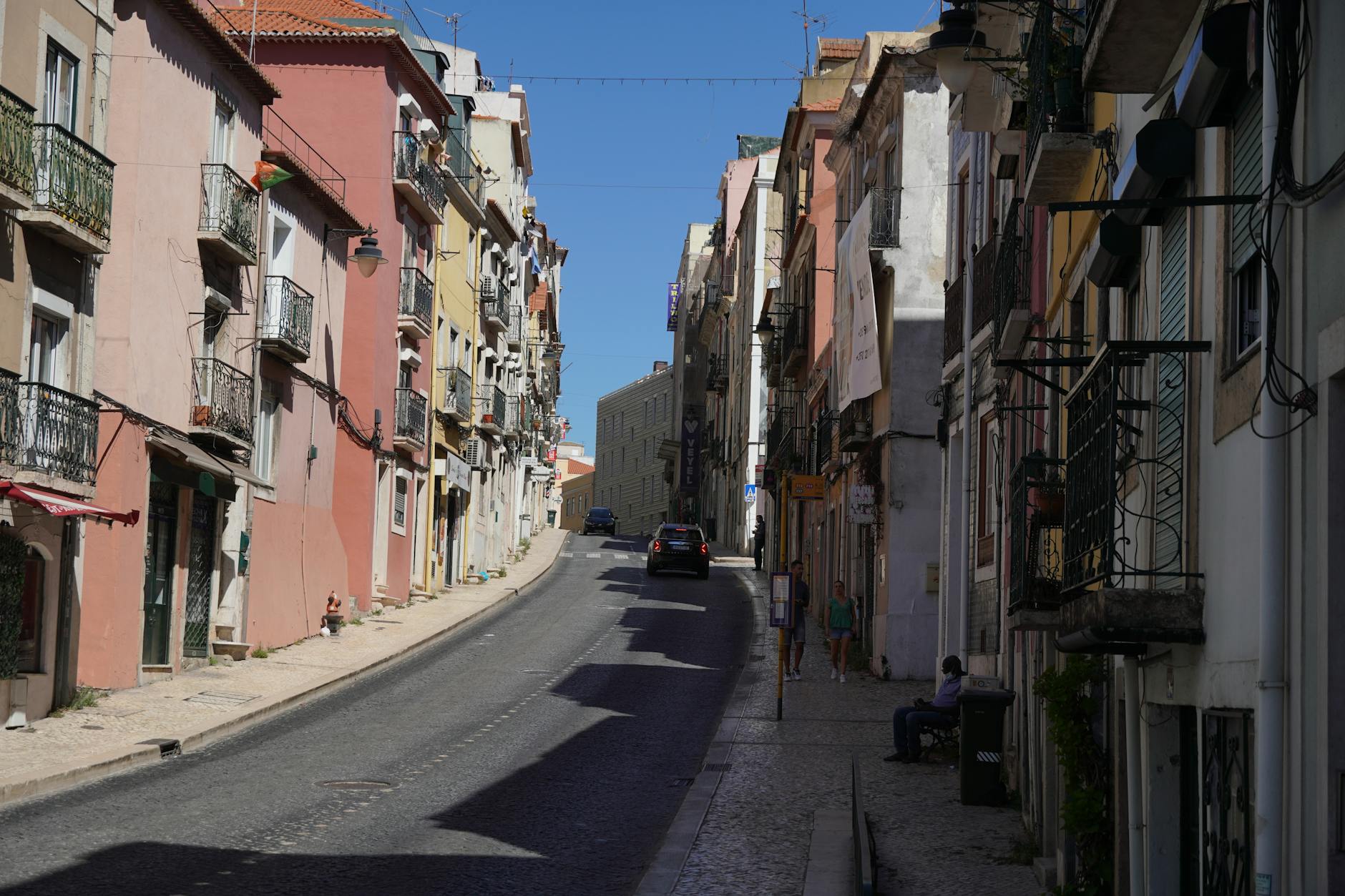
Start where most travelers start. Lisbon rewards wandering. The city cascades down seven hills toward the Tagus River in a jumble of colorful tiles, rattling trams, and viewpoints that stop you mid-step.
Day 1: Recover from your flight with a gentle introduction. Stroll through the Chiado neighborhood, grab dinner at the Time Out Market (Mercado da Ribeira), and watch sunset from Miradouro de São Pedro de Alcântara. This viewpoint terrace delivers postcard-perfect views over the rooftops toward the river.
Day 2: Dive into the historic center. Take the iconic yellow Tram 28 through the Alfama district, Lisbon's oldest neighborhood and a labyrinth of narrow streets that survived the 1755 earthquake. Visit São Jorge Castle (€15) for panoramic views. In the afternoon, explore the Belém district — see the Jerónimos Monastery (€10), the Monument to the Discoveries, and grab a pastel de nata from the famous Pastéis de Belém bakery (€1.20 each).
Day 3: Explore more neighborhoods. Start at Miradouro da Senhora do Monte for the city's best free viewpoint. Walk down through Graça and Mouraria. Browse the LX Factory, a former industrial complex turned creative hub with shops, street art, and riverside restaurants.
Where to stay: Baixa/Chiado for first-timers — central and walkable. Alfama for atmosphere (but expect hills). Budget hostels run €25-35/night. Mid-range hotels €80-120. Splurge options €180+.
Day 4: Sintra — The Fairytale Day Trip
Sintra sits 40 minutes by train from Lisbon and deserves a full day. This UNESCO World Heritage town rises from subtropical forest in a concentration of palaces, castles, and gardens that feels genuinely magical.
The big two are Pena Palace (€14) — a 19th-century Romanticist castle painted in impossible yellows and reds — and Quinta da Regaleira (€11), with its Initiation Well, a spiral staircase descending into the earth that looks like something from a fantasy novel.
Get the first train out (around 8:30 AM) or join an organized tour. Sintra gets crowded by mid-morning, especially in summer. The Lisbon Card covers train transport here.
Pro tip: Book Pena Palace tickets online in advance. Time slots sell out, and the ticket line can take 45 minutes.
Day 5: Nazaré and Óbidos — Coast and Walled Town
Pick up your rental car this morning (more on transport options below). Head north along the coast to Nazaré, famous for having some of the world's biggest surfable waves — we're talking 80+ foot monsters in winter. Even in summer, the beach is dramatic with its funicular climbing the cliff and colorful fishing boats pulled ashore.
Continue to Óbidos, a perfectly preserved medieval walled town. Walk the castle walls, sample ginjinha (cherry liqueur) served in chocolate cups, and explore the cobblestone streets. It's touristy but genuinely charming.
Drive time: Lisbon to Nazaré is about 1.5 hours. Nazaré to Óbidos is 45 minutes.
Days 6-7: Porto — Port Wine and Riverside Beauty
Porto is Lisbon's smaller, grittier, and some say more authentic sibling. The city climbs steeply from the Douro River in a cascade of colorful houses, with the iconic Luís I Bridge connecting Porto to Vila Nova de Gaia's wine cellars.
Day 6: Explore the Ribeira district — the UNESCO-listed riverside neighborhood with narrow alleys and washing hung between buildings. Cross the bridge for port wine tastings at the famous lodges: Graham's, Taylor's, and Sandeman all offer tours around €20-25 including tastings. The views back toward Porto are spectacular, especially at sunset.
Day 7: Visit Livraria Lello, the ornate bookstore that supposedly inspired J.K. Rowling (€8 entry, credited toward book purchases). See São Bento train station's azulejo tile panels depicting Portuguese history. Ride the vintage tram along the Foz district to the Atlantic coast.
Where to stay: Ribeira or Baixa for atmosphere and walkability. Budget: €30-50. Mid-range: €90-140.
Day 8: Braga and Guimarães — Northern Gems
Take a day trip from Porto to two of Portugal's most historic cities. Guimarães is considered the "birthplace of Portugal" — its medieval center and castle (€2) represent where the nation began. Braga is Portugal's religious capital with the stunning Bom Jesus do Monte sanctuary, famous for its baroque staircase climbing the hillside.
Both are accessible by train from Porto (about 1 hour each), or drive the 45 minutes for more flexibility.
Day 9: Douro Valley — Wine Country Paradise
The Douro Valley delivers the highlight reel moments: terraced vineyards carved into hillsides that plunge to the river, ancient stone walls, and quintas (wine estates) producing port and table wine.
Base yourself in Pinhão, the valley's hub. Take a scenic boat cruise (€35-50), visit a winery for tastings and lunch with views (€40-60), or ride the historic train line that hugs the river. The N222 road between Peso da Régua and Pinhão is regularly voted one of the world's most beautiful drives.
Overnight in a quinta if budget allows — many offer rooms with infinity pools overlooking the valley (€150-300).
Days 10-12: The Algarve — Golden Beaches and Sea Caves
Drive south to the Algarve, Portugal's southern coast famous for dramatic limestone cliffs, sea caves, and beaches ranging from bustling resort towns to hidden coves.
Benagil Sea Cave is the Instagram star — a cathedral-like cavern with a natural skylight, accessible by kayak, paddleboard, or boat tour from Benagil beach (tours €25-40). Go early (before 9 AM) to beat the crowds.
Base yourself in Lagos for the western Algarve's best combination of historic town, beaches, and restaurants. The sea stacks at Ponta da Piedade are stunning at sunset. Alternatively, Carvoeiro offers a smaller, more relaxed vibe.
For something different, head to the southwestern tip at Sagres — a windswept landscape of dramatic cliffs that feels like the edge of the world. This is where Henry the Navigator's school of navigation once stood.
Where to stay: Lagos old town for atmosphere and restaurants. Budget guesthouses €40-70. Mid-range hotels €90-150. Beach resorts €200+.
Day 13: Return Journey with a Stop
Drive back toward Lisbon, breaking the journey in Évora if you skipped it earlier. This walled university town in the Alentejo region offers Roman ruins (the Temple of Diana), a chapel of bones, and excellent regional cuisine. It's about 2 hours from Lisbon.
Alternatively, take the faster route via the A2 highway and spend your final afternoon in Lisbon doing last-minute shopping or revisiting a favorite spot.
Day 14: Departure
Return your rental car at Lisbon airport and fly home. If your flight is later, squeeze in one final pastel de nata and coffee at a neighborhood pastelaria.
Getting Around: Car vs. Public Transport
Rental Car: Gives you freedom to reach smaller towns, the Douro Valley, and hidden Algarve beaches. Automatic cars are pricier and book out in summer — reserve early. Parking in Lisbon and Porto is challenging and expensive (€15-25/day). Fuel runs about €1.70/liter.
Cost for 10 days: €300-450 for a compact car, plus fuel (~€150).
Public Transport: Excellent trains connect Lisbon, Porto, and the Algarve. Sintra is easy by train. The Douro Valley is accessible by train from Porto but requires planning. Some smaller towns (Óbidos, parts of the Algarve coast) are harder without a car.
Cost: Lisbon-Porto train €25-35. Porto-Faro train €35-50.
Real Costs for 2 Weeks in Portugal (2026)
Portugal offers excellent value compared to Western Europe. Here's the breakdown for two people:
Budget Travelers (€2,400-3,000 total / €1,200-1,500 per person):
- Hostels/guesthouses: €35-50/night
- Public transport
- Supermarket meals + one restaurant meal daily
- Free and low-cost attractions
Mid-Range Comfort (€4,000-5,200 total / €2,000-2,600 per person):
- 3-star hotels/boutique guesthouses: €90-140/night
- Rental car for part of the trip
- Mix of casual and nice restaurants
- Paid attractions and some guided experiences
Comfortable Plus (€6,500-8,000 total / €3,250-4,000 per person):
- 4-star hotels/quintas: €160-250/night
- Rental car throughout
- Wine tastings, boat tours, nice dinners
- Private tours and premium experiences
Food costs: Breakfast (pastry + coffee) €3-5. Lunch (menu do dia) €12-18. Dinner at mid-range restaurant €25-40 per person. Port wine tastings €20-30.
Essential Booking Tips
Book in advance: Pena Palace in Sintra, Livraria Lello in Porto (tickets sell out days ahead), and accommodations in the Douro Valley during harvest season (September-October).
Lisbon Card: Worth it if you plan to visit multiple museums and use public transport heavily. The 72-hour card (€44) includes free entry to São Jorge Castle, Jerónimos Monastery, and unlimited transport including the Sintra train.
Dining: Many restaurants close between lunch (3 PM) and dinner (7:30 PM). Plan accordingly. Reservations recommended for popular spots in Lisbon and Porto.
Payment: Cards accepted almost everywhere, but carry some cash for small bakeries, markets, and parking.
So, Is 2 Weeks Enough?
Two weeks gives you a fantastic introduction to mainland Portugal. You'll hit the major cities, see the famous palaces, taste port wine at its source, and collapse onto Algarve beaches with the satisfaction of a well-planned trip.
What you won't do? You'll skip the Azores (10 days minimum to do properly), Madeira (worth 5-7 days), and many smaller interior towns that reveal Portugal's slower, more traditional side. Save those for trip two. Because after two weeks in Portugal, you'll definitely want a return visit.