
First Time in Spain? Here's the Perfect 2-Week Itinerary for 2026 (With Real Costs)
A complete 2-week Spain itinerary for first-timers covering Barcelona, Madrid, Seville, and Granada. Includes real 2026 costs, advance booking requirements, transportation logistics, and budget breakdowns for every travel style.
Spain sits at the crossroads of civilizations. Romans, Visigoths, and Islamic caliphates all left their mark on this Iberian Peninsula nation, creating a cultural tapestry that nowhere else in Europe quite matches. Yet first-time visitors often find themselves paralyzed by the same question I see repeatedly on travel forums: With only two weeks, should I prioritize Barcelona's modernist architecture, Madrid's world-class museums, Seville's flamenco soul, or Granada's Moorish palace?
The honest answer? You can experience all four without rushing—if you plan the route strategically.
I have spent over a month traveling across Spain on multiple trips, and this itinerary reflects what actually works. It moves you logically through the country while accounting for Spain's unique rhythms: late dinners, midday siestas (still practiced in smaller cities), and transportation logistics that reward advance planning.
The Route: Why This Order Matters
Most first-timers default to flying into Madrid because it's the capital. That's a mistake. Barcelona sits 621 kilometers northeast of Madrid, while Seville lies 530 kilometers southwest. Flying into Barcelona and out of either Seville or Granada (or vice versa) eliminates backtracking and saves you a full travel day.
Here's the optimal flow:
Barcelona (4 nights) → Madrid (4 nights) → Seville (3 nights) → Granada (2 nights)
This progression takes you from Catalonia's distinct culture through Castile's imperial grandeur into Andalusia's Arabic-influenced south. Each region feels genuinely different—the food changes, the architecture shifts, even the Spanish dialect varies.
Days 1–4: Barcelona — Gaudí, Gothic Quarters, and Beach Culture
Barcelona demands four days minimum. The city packs UNESCO World Heritage sites, a historic medieval center, and Mediterranean beaches into one sprawling metropolis.
Where to Base Yourself
Stay in the Eixample district. This 19th-century grid puts you within walking distance of Gaudí's major works while keeping you off La Rambla's tourist chaos. Specifically, the area around Passeig de Gràcia offers excellent metro connections and local dining options.
Budget travelers: Generator Barcelona near Gràcia offers beds from €35/night.
Mid-range: Hotel Catalonia Passeig de Gràcia runs €140–180/night.
Splurge: Casa Fuster G.L. Monumento starts at €280/night.
Day 1: Arrival and the Gothic Quarter
Drop your bags and head to the Gothic Quarter (Barri Gòtic). Wander without a strict plan—the medieval alleyways reward aimless exploration. Key stops include the Barcelona Cathedral (€9 entry, free weekday mornings) and the Roman walls near Plaça Nova.
Dinner at El Xampanyet near the Picasso Museum. This 1929 tavern serves anchovies and house cava for under €15 per person. Spaniards eat late—plan dinner for 9:00 PM minimum.
Day 2: Gaudí's Masterpieces
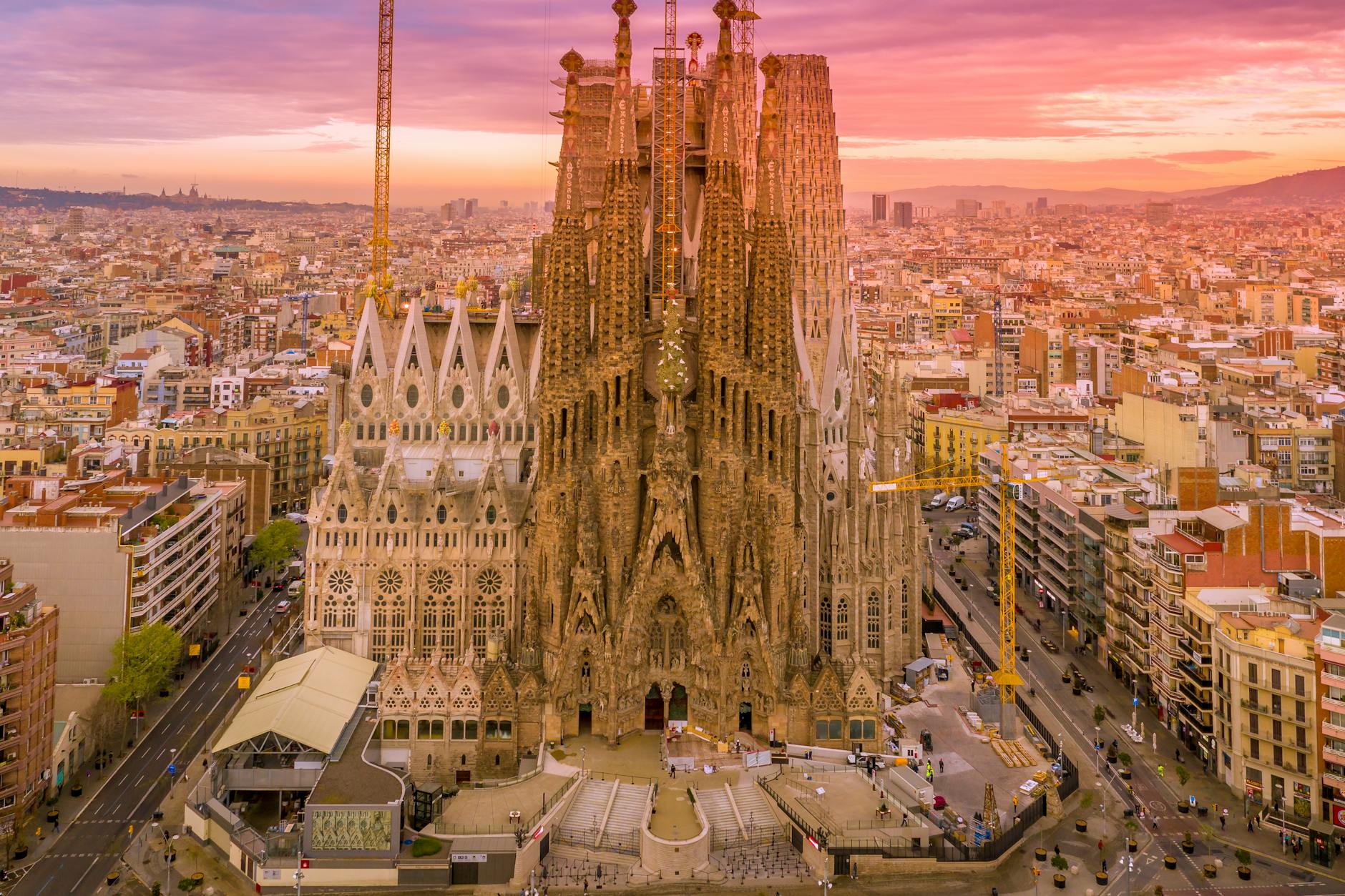
Book Sagrada Família tickets weeks in advance. Basic entry costs €26, but the tower ascent (€36 total) justifies the extra €10—you see the structure's honeycomb-like interior from above. Morning light through the stained glass creates effects that no photograph captures adequately.
Walk 20 minutes to Casa Batlló (€35 entry) or Casa Milà/La Pedrera (€25). Both showcase Gaudí's organic architecture, but Batlló's dragon-scale roof and skeletal balconies edge out La Pedrera for first-time visitors.
Evening: Catch sunset at Bunkers del Carmel. This former anti-aircraft battery offers 360-degree city views and costs nothing. Bring wine and cheese from a nearby supermarket.
Day 3: Park Güell and Gràcia
Park Güell requires timed entry (€10). The famous mosaic lizard and curved benches fill with crowds by 10:00 AM, so book the first slot. After exploring Gaudí's failed housing development, walk down through the Gràcia neighborhood.
Unlike the tourist-saturated center, Gràcia maintains authentic Catalan character. Plaza de la Virreina offers excellent people-watching over afternoon vermouth.
Day 4: Beach or Day Trip
Option A: Relax at Barceloneta Beach, though locals prefer Bogatell Beach (20-minute metro ride) for fewer crowds.
Option B: Take the train to Montserrat (€35 round-trip including funicular). The jagged mountain range houses a Benedictine monastery and offers hiking trails with views over Catalonia. The boys' choir performs at 1:00 PM most days.
Days 5–8: Madrid — Museums, Markets, and Madrid's Nightlife
The high-speed AVE train connects Barcelona to Madrid in 2.5 hours. Book tickets through Renfe—prices range from €35 (advance purchase, fixed times) to €80 (flexible). The route passes through Zaragoza, but the landscape rarely excites.
Where to Stay
The Malasaña or Chueca neighborhoods offer central locations with character. Avoid staying right on Gran Vía—the street never sleeps, and neither will you.
Budget: The Hat Madrid hostel offers private rooms from €55/night.
Mid-range: Only YOU Hotel Atocha runs €130–160/night.
Splurge: Hotel Único Madrid starts at €240/night.
Day 5: Arrival and the Prado
After checking in, head directly to the Prado Museum. This collection spans Velázquez, Goya, and Bosch—plan at least three hours. General admission costs €15, but free entry runs 6:00–8:00 PM Monday through Saturday.
Dinner at Casa Julio for croquettes, then drinks at El Palentino, a no-frills bar where Madrileños actually drink.
Day 6: Retiro Park and the Royal Palace
Morning at El Retiro Park. Rent a rowboat on the lake (€6), visit the Crystal Palace (free), and watch the street performers near the main entrance.
Afternoon: The Royal Palace (€12 entry, free 4:00–7:00 PM Monday–Thursday for EU citizens). Even if you skip the interior, the Almudena Cathedral across the plaza offers free entry and impressive modern architecture.
Day 7: Day Trip to Toledo
Take the 33-minute AVE train to Toledo (€14 each way). The medieval walled city sits atop a hill overlooking the Tagus River, unchanged since El Greco painted it in the 16th century.
Must-sees: Toledo Cathedral (€10), the Jewish Quarter's narrow streets, and the Alcázar fortress. Return to Madrid by evening for dinner at Mercado de San Miguel—overpriced but atmospheric.
Day 8: Reina Sofía and Evening Tapas
The Reina Sofía Museum (€12, free evenings) houses Picasso's Guernica—arguably the 20th century's most important political painting. The surrounding Lavapiés neighborhood offers some of Madrid's best international cuisine.
Evening: Experience ver hopping in La Latina. Start at Txirimiri for pintxos, move to Taberna La Concha, and end at El Viajero for rooftop drinks.
Days 9–11: Seville — Flamenco, Moorish Architecture, and Orange Trees
The AVE train to Seville takes 2.5 hours (€40–60). As you travel south, notice the landscape flattening into olive groves and the light shifting to that golden hue that Andalusia is famous for.
Where to Stay
The Santa Cruz neighborhood (the old Jewish quarter) puts you within walking distance of major sites, though it gets crowded. Triana, across the river, offers more authentic Seville at lower prices.
Budget: La Banda Rooftop Hostel from €30/night.
Mid-range: Hotel Casa 1800 Seville runs €150–190/night.
Splurge: Hotel Alfonso XIII starts at €350/night.
Day 9: The Alcázar and Cathedral
Book Royal Alcázar of Seville tickets online (€14.50). This UNESCO palace complex blends Mudéjar and Renaissance architecture—the filming location for Game of Thrones' Dorne scenes barely requires set dressing.
The adjacent Seville Cathedral (€11) ranks as the world's largest Gothic cathedral. Climb La Giralda tower—the ramp system designed for horseback riders makes the ascent manageable.
Evening: See authentic flamenco at La Carbonería (free, donations accepted) or El Arenal (€25 with drink).
Day 10: Plaza de España and Triana
Morning at Plaza de España, Seville's 1929 exhibition centerpiece. Rent a rowboat (€6) on the canal, then walk the tiled alcoves representing Spain's provinces.
Cross the Isabel II Bridge to Triana. This working-class neighborhood birthed flamenco and maintains a distinct identity. Visit the Triana Market for lunch and browse ceramic workshops on Calle Alfarería.
Day 11: Day Trip Options
Option A: Córdoba (45-minute train, €15 each way). The Mezquita-Cathedral—an 8th-century mosque converted to a Catholic church—ranks among Spain's most unique structures.
Option B: Cádiz, Spain's oldest city, offers Atlantic beaches and a relaxed vibe (1.5 hours by train).
Days 12–13: Granada — The Alhambra and Albaicín
The bus from Seville to Granada takes 3 hours (€25) and offers better scenery than the train. You're now at the foothills of the Sierra Nevada mountains, and the temperature drops noticeably from Seville.
Where to Stay
Stay in the Albaicín neighborhood for those iconic Alhambra views from your balcony, or near Plaza Nueva for easier access.
Budget: Oasis Backpackers Hostel from €25/night.
Mid-range: Palacio de Santa Inés runs €120–150/night.
Splurge: Parador de Granada (inside the Alhambra complex) starts at €280/night.
The Alhambra: Booking Essentials
The Alhambra sells out weeks in advance, especially during high season (April–June, September–October). General admission costs €14 and includes the Nasrid Palaces, Generalife gardens, and Alcazaba fortress.
Critical: Your Nasrid Palaces ticket specifies a strict entry time. Arrive 30 minutes early—late arrivals are denied entry with no refunds.
Day 12: The Alhambra and Generalife
Plan 4–5 hours minimum. The Nasrid Palaces showcase Islamic Spain's architectural peak—intricate stucco work, cedarwood ceilings, and courtyards reflecting in still pools. The Generalife gardens provided summer retreat for Nasrid rulers.
Sunset: Walk to Mirador de San Nicolás in the Albaicín. The view of the Alhambra glowing pink against the Sierra Nevada draws crowds, but it's unmissable.
Day 13: Albaicín and Free Tapas
Granada remains one of Spain's last cities serving free tapas with every drink. Order a €2.50 beer at any bar and receive complimentary food—progressively better portions at each subsequent round.
Explore the Albaicín's winding streets, visit the Arab Baths (Hammam Al Ándalus, €28 for bath only), and consider the Sacromonte neighborhood for cave houses and flamenco history.
Day 14: Departure
Granada's airport offers limited connections. Most travelers fly out of Málaga (90-minute bus, €12) or take the train back to Madrid (4 hours, €60).
Alternatively, add extra days in Málaga itself—the city offers beaches, the Picasso Museum, and excellent seafood.
The Budget Breakdown: Real 2026 Costs
Here's what two weeks actually costs for different travel styles:
Budget Traveler (€1,800–2,200 total)
- Accommodation: €35–50/night (hostels, budget hotels)
- Food: €25–35/day (markets, menú del día, free tapas in Granada)
- Transport: €150 (trains between cities, metro passes)
- Attractions: €150 (selective museum visits, skip tower climbs)
Mid-Range Comfort (€3,200–4,000 total)
- Accommodation: €120–160/night (3-star hotels, boutique guesthouses)
- Food: €60–80/day (mix of restaurants and casual dining)
- Transport: €200 (AVE trains, occasional taxis)
- Attractions: €250 (full museum access, guided tours, flamenco shows)
Luxury Experience (€6,500+ total)
- Accommodation: €250–400/night (4–5 star hotels, paradores)
- Food: €120–180/day (fine dining, wine pairings, private tours)
- Transport: €400 (private transfers, first-class train seats)
- Attractions: €400 (private guides, VIP access, exclusive experiences)
Essential Logistics
When to Visit
Best: April–May and September–October. Pleasant temperatures, fewer crowds than summer, and festivals like Seville's Feria de Abril (April) or Granada's Jazz Festival (November).
Avoid: July–August in Andalusia unless you enjoy 40°C (104°F) heat. Madrid and Barcelona become furnaces; Seville and Granada become infernos.
Getting Around
Spain's AVE high-speed rail connects major cities efficiently. Book 30–60 days in advance for the best prices through Renfe.com. Within cities, metros and buses work well—Barcelona's T-casual (10 rides, €11.35) and Madrid's 10-trip metrobus (€12.20) offer value.
Renting a car is unnecessary and often counterproductive for this itinerary. Parking costs €25–40/day in city centers, and historic cores ban vehicle traffic entirely.
What to Book in Advance
- Sagrada Família: 2–3 weeks ahead
- Alhambra: 3–4 weeks ahead (2 months for peak season)
- Alcázar of Seville: 1 week ahead
- Park Güell: 1 week ahead
- Prado timed entry: Optional but recommended for popular exhibitions
Spanish Etiquette Essentials
- Shops close 2:00–5:00 PM in smaller cities (though less in Barcelona/Madrid)
- Dinner starts at 9:00 PM earliest—restaurants empty before then
- Tipping: Round up for casual meals, 5–10% for fine dining
- Learn basic Spanish phrases. In Barcelona, Catalan is co-official but Spanish works everywhere
- Siesta is real in Andalusia—many businesses close mid-afternoon
The Verdict
Spain rewards travelers who embrace its rhythms rather than fighting them. The late dinners, midday closures, and relaxed pace aren't inefficiencies to optimize—they're the point. This itinerary gives you Spain's greatest hits without sacrificing the spontaneous discoveries that make travel memorable.
My final advice? Leave room for unplanned afternoons. The best Spanish moments rarely appear in guidebooks—they happen when you linger too long at a tapas bar, stumble into a neighborhood festival, or accept that second glass of Rioja while watching the sunset.
Buen viaje.
Sources
- Wheatless Wanderlust — "A Perfect 2 Week Spain Itinerary (for First Timers)"
- Fora Travel — "2 Weeks in Spain: The Perfect Itinerary for First Timers"
- Rick Steves Travel Forum — Community discussions on Spain itineraries
- Perfect Days Somewhere — "An amazing week in Spain: Madrid, Seville and Barcelona"