
First Time in Thailand? Here's the Perfect 2-Week Itinerary for 2026 (With Real Costs)
A realistic 2-week route through Thailand's best destinations: Bangkok's temples, Chiang Mai's culture, and the beaches of Krabi and Phuket. Includes real 2026 costs, daily budgets, and practical tips for first-time visitors.
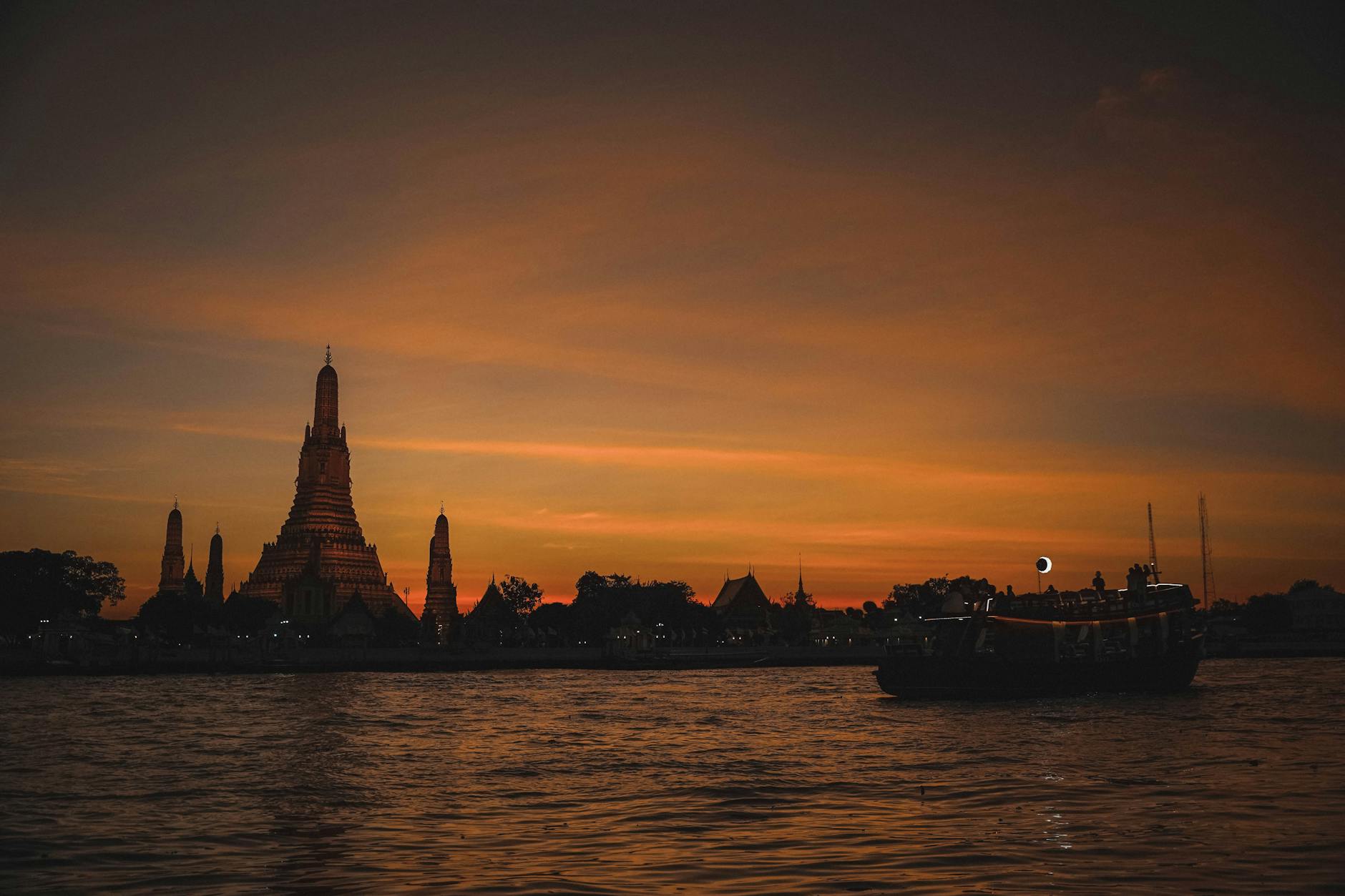
Thailand has this reputation as the ultimate starter destination for Southeast Asia. Cheap, beautiful, friendly, and easy to navigate — the Land of Smiles has been drawing first-time backpackers, honeymooners, and digital nomads for decades. But the country is bigger and more diverse than most people expect. Show up without a plan and you'll either burn out trying to see everything or miss half the good stuff.
I spent two weeks there in early 2026, moving from Bangkok's chaos to Chiang Mai's temple-dotted hills and finally down to the limestone karsts of the Andaman Coast. The route worked. This itinerary gives you urban energy, cultural depth, mountain air, and beach time without feeling rushed. It also keeps transport times reasonable — no 14-hour bus rides required.
Whether you're coming from the US, Europe, or Australia, this guide breaks down exactly where to go, how much to budget, and the practical details nobody tells you until you're already there.
The 2-Week Thailand Route Overview
This itinerary follows a classic north-to-south arc: Bangkok → Chiang Mai → Krabi → Phuket. You can flip it and start in Phuket if you find better flight deals, but most international arrivals come through Bangkok's Suvarnabhumi Airport anyway.
- Days 1-3: Bangkok (arrival + full days)
- Day 4: Ayutthaya day trip or morning flight to Chiang Rai
- Days 5-7: Chiang Mai
- Days 8-10: Krabi (Ao Nang or Railay)
- Days 11-13: Phuket
- Day 14: Departure from Phuket International Airport
Total moving time between destinations is under 8 hours when you fly the long segments. Domestic flights in Thailand are cheap, frequent, and surprisingly efficient.
Bangkok: First Impressions and Temple Fatigue
Days 1-3: The Capital Chaos
Most people either love or hate Bangkok within 24 hours. The heat, traffic, and sensory overload hit hard — especially after a long international flight. My advice: book a hotel with a pool and give yourself permission to do nothing on arrival day except eat pad thai and sleep.
Where to Stay: The neighborhood matters more than the hotel star rating. Khao San Road is the backpacker ghetto — cheap, loud, and convenient for temples but exhausting after two nights. Silom and Sathorn put you near the BTS skytrain with better food options. For first-timers, stay near the Chao Phraya River. You can use the water taxis to bypass traffic and Wat Arun is walking distance.
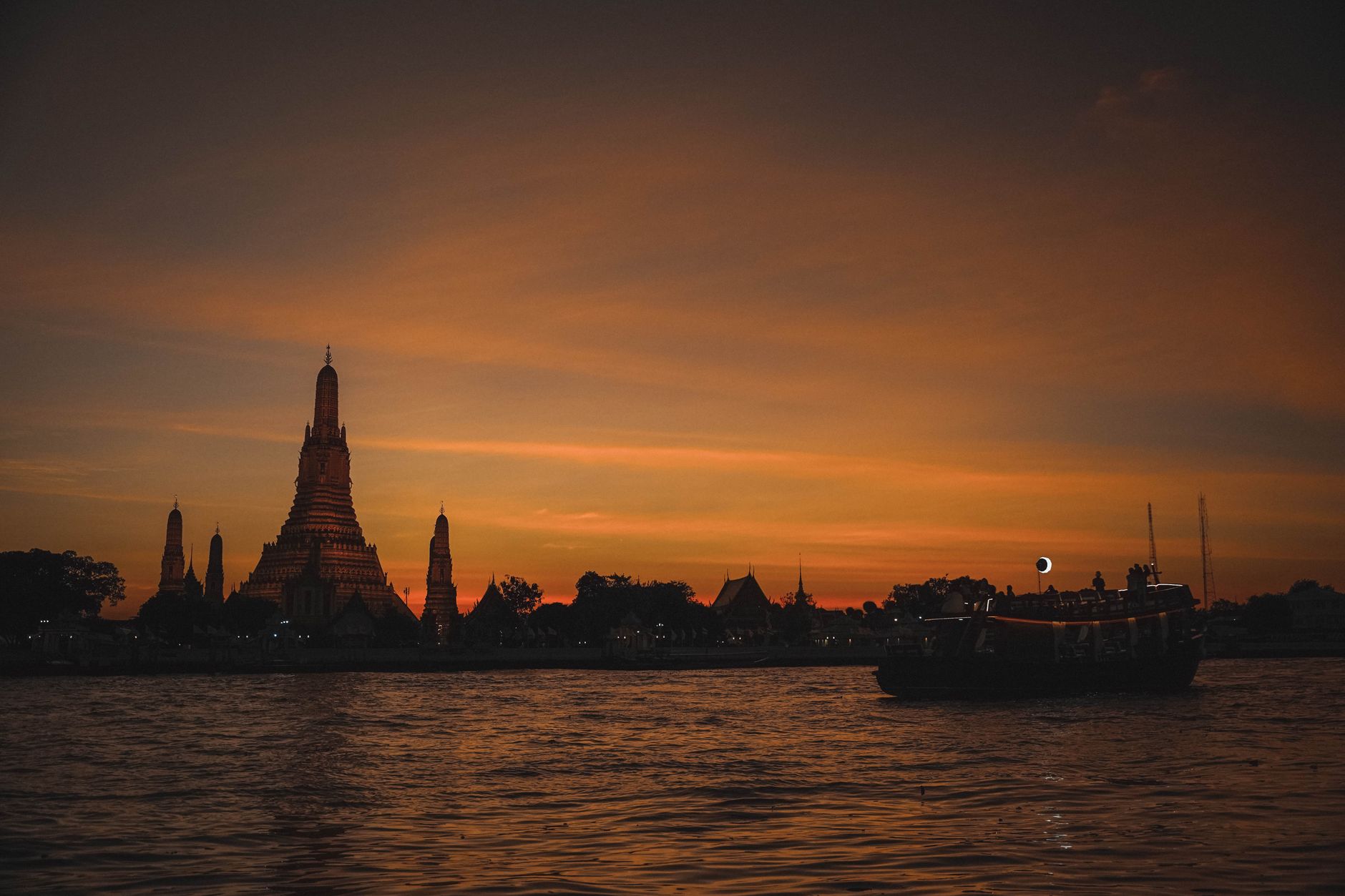
Day 2 — The Essential Bangkok: Start early at Wat Pho (the Reclining Buddha) before 9am to beat the heat and crowds. The temple opens at 8am and the morning light on the golden Buddha is worth the early alarm. From there, cross the river to Wat Arun — the iconic "Temple of Dawn" with its porcelain-encrusted spires. Take the cross-river ferry for 5 baht (about $0.15).
By noon, escape the heat in the air-conditioned malls. Icon Siam is absurd — a floating market inside a luxury mall with a direct river ferry. The food court on the lower level has Michelin-recommended stalls without the Michelin prices. A full meal runs 80-120 baht ($2.40-$3.60).
Evening: Chinatown (Yaowarat Road) comes alive after dark. The street food here is legendary — mango sticky rice, crab omelets, bird's nest soup. Follow the locals and avoid places with laminated English menus.
Day 3 — Canals and Markets: Skip the tourist trap floating markets 90 minutes outside the city. Instead, hire a longtail boat from Tha Chang Pier for a canal tour of Thonburi — Bangkok's "Venice of the East" before the skyscrapers took over. A 2-hour private tour should cost 800-1,200 baht ($24-$36) split among your group.
Afternoon: Chatuchak Weekend Market if it's Saturday or Sunday. Thirty-five acres of everything — vintage clothing, handmade ceramics, live pets, and enough food stalls to eat something different every hour. It's overwhelming in the best way. If it's a weekday, hit the Jim Thompson House for Thai silk history in a beautiful traditional compound.
Ayutthaya or Chiang Rai: The Choice Point
Day 4: Pick Your Adventure
You have two solid options here, depending on your energy level and interests.
Option A — Ayutthaya (Day Trip): The ancient capital of Siam, destroyed by the Burmese in 1767, sits 90 minutes north of Bangkok. The temple ruins spread across an island and you can explore by bicycle. Wat Mahathat has the famous Buddha head entwined in tree roots. Take the morning train from Hualamphong Station (3rd class costs 20 baht/$0.60) or hire a private driver for 2,000-2,500 baht ($60-$75) roundtrip if you want efficiency.
Option B — Fly to Chiang Rai: If ancient ruins aren't your thing, skip Ayutthaya and take a morning flight to Chiang Rai. The northernmost province has the White Temple (Wat Rong Khun) — an acid-trip of a Buddhist temple designed by contemporary artist Chalermchai Kositpipat. It looks like heaven sculpted from porcelain and mirror fragments. Stay one night in Chiang Rai town before transferring to Chiang Mai the next day.
I did Option B and didn't regret it. The White Temple is unlike any religious site I've seen anywhere — part sacred space, part art installation, completely unforgettable.
Chiang Mai: The Cultural Heart
Days 5-7: Mountains, Temples, and Slower Pace
Chiang Mai is where Thailand's tourism hype actually matches reality. The old city is walkable, the food is exceptional, and the pace forces you to breathe differently than in Bangkok. Digital nomads have colonized the Nimman area, but the old city walls still feel authentically Thai.
Getting There: Direct flights from Bangkok take 1 hour 15 minutes and cost $30-60 if booked a few weeks ahead. If you came from Chiang Rai, the bus or private transfer takes 3-4 hours through mountain roads.
Where to Stay: Inside the old city square for temple access and Sunday Walking Street. Outside the moat in Santitham or Nimman for better cafes and a more local vibe. Chiang Mai has some of Southeast Asia's best boutique hotels — expect $40-80 for something genuinely beautiful with a pool.
Day 5 — Temples and Night Markets: Start at Doi Suthep, the golden temple perched on a mountain overlooking the city. The 309-step staircase or cable car rewards you with panoramic views. Afternoon: Wat Chedi Luang in the old city center — a massive 14th-century pagoda partially destroyed by earthquake but still imposing.
Evening: The Sunday Walking Street (if you're there on Sunday) stretches for kilometers through the old city. Handicrafts, street performers, and incredible food. If it's not Sunday, the Night Bazaar on Chang Klan Road runs every night with fewer crafts but more atmosphere.
Day 6 — Elephants or Ethics: Skip the elephant riding camps. Instead, visit Elephant Nature Park — a legitimate rescue sanctuary where you observe elephants in natural habitat without bathing or touching them. It's expensive at 2,500 baht ($75) for a day, but the money supports rescue operations. Book weeks in advance — they fill up.
Alternative: Thai cooking class. Most include a market tour and hands-on instruction in 4-5 dishes. A full day runs 1,000-1,500 baht ($30-$45) and you eat everything you cook.
Day 7 — Slow Morning, then South: Chiang Mai's coffee culture punches above its weight. Ristr8to in Nimman made headlines for latte art championships, but the smaller spots like Graph or Akha Ama roast their own beans. Spend the morning cafe-hopping before your afternoon flight to Krabi.
Krabi: Limestone and Turquoise
Days 8-10: Beach Time Begins
Krabi Province delivers the Thailand beach experience you see on postcards — limestone cliffs jutting from emerald water, longtail boats puttering between islands, and enough rock climbing routes to keep you busy for months.
Base Yourself: Ao Nang is the tourist hub with the most accommodation and restaurants. Railay Beach is prettier and more isolated — accessible only by boat — but has limited options and higher prices. I stayed in Ao Nang and day-tripped to Railay.
Day 8 — Arrival and Sunset: Flights from Chiang Mai to Krabi take 2 hours with a connection in Bangkok, or you can fly direct on certain days. Get settled, walk the Ao Nang beach strip, and find a rooftop bar for sunset. The view of the karsts silhouetted against orange sky is postcard-perfect.
Day 9 — Island Hopping: The 4-Island Tour is the classic — Phra Nang Cave Beach, Chicken Island, Tup Island, and Poda Island. Longtail boat tours cost 1,000-1,400 baht ($30-$42) including lunch and snorkeling gear. The water is bathtub-warm and clear enough to see fish from the boat.
For something less crowded, book a speedboat tour to the Hong Islands or Phi Phi Islands. The latter is famous but overtouristed — go early or stay overnight to avoid the day-tripper crowds.
Day 10 — Rock Climbing or Kayaking: Railay is one of Asia's best climbing destinations with routes for beginners to experts. Half-day introductory courses run 1,500-2,000 baht ($45-$60) including gear. If heights aren't your thing, sea kayak through the mangrove forests at Ao Thalane — 800 baht ($24) for a half-day tour.
Phuket: The Finale
Days 11-13: Islands, Old Town, and Departure Prep
Phuket gets a bad rap from backpackers — too developed, too touristy, too expensive. Parts of it are. But the island is also huge, with quiet beaches, a charming old town, and the best infrastructure for your final days. Treat it as a wind-down rather than the main event.
Getting There: The ferry from Krabi to Phuket takes 2-3 hours depending on the route. Or hire a private transfer — 3 hours door-to-door for about 2,500 baht ($75).
Where to Stay: Skip Patong unless you want nightclub noise and overpriced everything. Kata and Karon beaches have better swimming and a more relaxed vibe. Old Town Phuket is perfect if you prefer cafes and architecture over beach time. I split my time — two nights beachside, one night in Old Town.
Day 11 — Beach Recovery: After two weeks of temples, flights, and boats, you need a do-nothing day. Kata Beach has soft sand, gentle waves, and beachfront massage tents charging 300 baht ($9) for an hour. Grab a coconut, rent a sun lounger (100 baht/$3), and read that book you've been carrying.
Day 12 — Phang Nga Bay: James Bond Island is the famous stop — the karst that appeared in The Man with the Golden Gun — but the real highlight is sea canoeing through sea caves and lagoons. John Gray's Sea Canoe runs ethical tours that avoid the crowds and time the tides right. At 3,900 baht ($117) it's pricy by Thai standards, but the experience is unmatched.
Alternative: Take a ferry to the Phi Phi Islands for an overnight. Maya Bay (The Beach movie location) reopened with strict visitor limits. The water glows bioluminescent at night.
Day 13 — Old Town and Final Dinner: Phuket Old Town is Sino-Portuguese architecture, boutique cafes, and street art. It's cooler than the beach areas and feels completely different from the rest of your trip. Walk Thalang Road, visit the Thai Hua Museum, and eat at one of the heritage restaurants like Raya or One Chun.
Day 14 — Departure: Phuket International Airport has direct flights to Bangkok for connections, or direct to major Asian hubs. Give yourself time — traffic from the beaches can be unpredictable.
What This Trip Actually Costs (2026 Prices)
Thailand isn't as cheap as it was ten years ago, but it's still excellent value compared to Europe or the US. Here's realistic daily budgets:
Budget Backpacker: $40-60/day
- Hostel dorm: $8-12/night
- Street food meals: $2-4 each
- Local transport: $1-3 per ride
- Attractions: Pick the free temples
- Drinking: Minimal (alcohol doubles your costs)
Mid-Range Comfort: $80-120/day
- Boutique hotel or private room: $40-60/night
- Mix of street food and restaurants: $15-25/day
- Domestic flights: $30-50 per segment
- Tours and activities: $20-40/day average
- Occasional Grab taxi: $5-10/day
Comfortable/Luxury: $150-250/day
- 4-star hotels or private villas: $100-150/night
- Restaurant meals: $40-60/day
- Private drivers and speedboat tours: $50-100/day
- Spa treatments and fine dining: Budget separately
Two-week totals per person: Budget travelers can do Thailand for $700-900. Mid-range comfort runs $1,400-1,900. If you want luxury resorts and private tours, plan $2,500-3,500.
Domestic flights (Bangkok-Chiang Mai, Chiang Mai-Krabi) add about $100-150 total if booked ahead. Ferries and ground transfers run another $80-100 for the whole trip.
Practical Tips Nobody Tells You
Cash is King: Outside Bangkok, many places don't take cards. Bring a debit card with no foreign transaction fees and withdraw from ATMs as needed. 7-Eleven ATMs charge 220 baht ($6.60) per withdrawal, so take out larger amounts less often.
Dress Codes Matter: Temples require covered shoulders and knees. Carry a light scarf or sarong — some temples rent them, others turn you away. Wat Pho and Wat Arun are strict about this.
Scams to Skip: The Grand Palace is "closed today" scam — tuk-tuk drivers tell you this to take you to gem shops. The Grand Palace is rarely closed. Check official websites. Also: meter taxis are cheaper than tuk-tuks for long distances, despite the romantic appeal of open-air transport.
Weather Reality: March-May is brutally hot. June-October is rainy season — daily downpours but fewer crowds. November-February is perfect and priced accordingly. I traveled in April and survived, but 40°C (104°F) with humidity is no joke. Plan indoor activities during midday.
Transport Apps: Grab works in Bangkok and Chiang Mai but not in smaller towns. Bolt is sometimes cheaper. For intercity travel, 12Go.asia books buses, trains, and ferries in English.
Language: English proficiency varies. In tourist areas, you'll manage. Outside them, download the Google Translate app with Thai language packs. The camera feature reads menus.
When to Extend Your Trip
Two weeks gives you the highlights, but Thailand rewards deeper exploration. If you have more time, consider:
- Pai: Three hours from Chiang Mai by motorbike (the 762 curves are legendary). Hippie enclave with hot springs and waterfalls.
- Koh Lanta: Quieter than Phuket with better beaches. Diving and snorkeling trips to the Similan Islands.
- Khao Sok National Park: Ancient rainforest, limestone cliffs, and floating bungalows on Cheow Lan Lake.
- Isaan Region: Northeast Thailand — no beaches, but the best food in the country and virtually zero foreign tourists.
The Bottom Line
Thailand earns its popularity. The combination of affordability, infrastructure, diversity, and genuine hospitality creates a travel experience that works for first-timers and repeat visitors alike. This two-week route hits the essential triangle — urban chaos, cultural depth, and beach relaxation — without feeling like a checklist.
The best advice I can give: don't overplan. Leave gaps in your schedule for the temple you stumble into, the restaurant recommended by another traveler, or the beach that looks too perfect to leave. Thailand operates on its own timeline. The sooner you accept that, the more you'll enjoy the ride.
Have you been to Thailand? Drop a comment with your favorite hidden gem or biggest rookie mistake.