
First Time in Turkey? Here's the Perfect 2-Week Itinerary for 2026 (With Real Costs)
A complete 2-week Turkey itinerary for first-time visitors covering Istanbul's historic wonders, Cappadocia's fairy chimneys, Ephesus's Roman ruins, and the Turquoise Coast—with real 2026 costs and practical logistics.
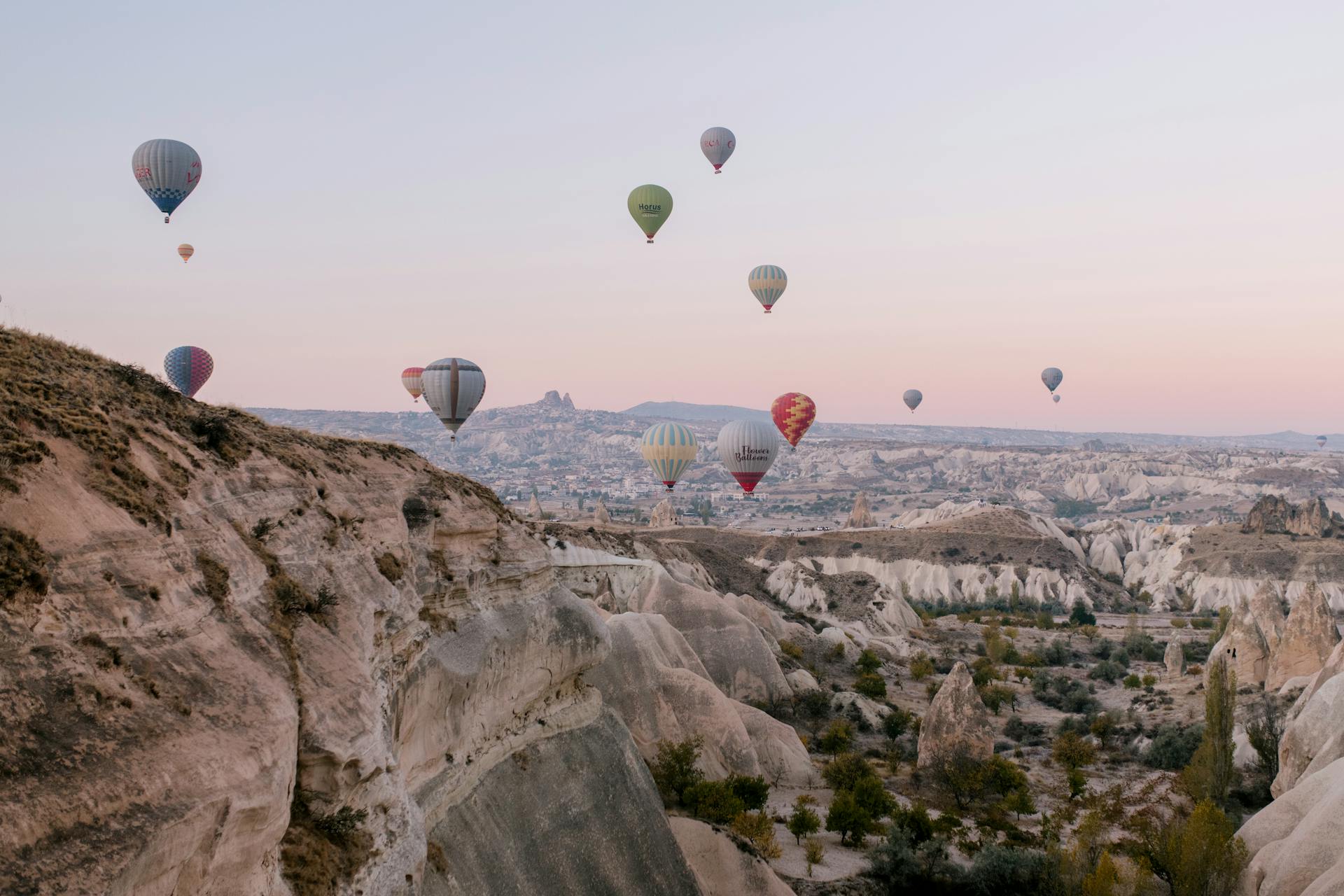
Straddling two continents and thousands of years of history, Turkey defies easy categorization. One morning you're watching the sunrise paint Byzantine mosaics gold inside a 1,500-year-old cathedral; that evening you're sipping çay on a terrace as the call to prayer echoes across minaret-studded hills. By week's end, you're floating above otherworldly rock formations in a hot air balloon, then soaking in thermal pools that the Romans once claimed had healing powers.
For first-time visitors, Turkey presents a delicious problem: there's simply too much to see. The country stretches across 302,000 square miles—roughly the size of Texas and California combined—packed with UNESCO World Heritage Sites, Mediterranean beaches, ancient ruins, and culinary traditions that have evolved over millennia. Reddit's r/travel forums brim with the same question every spring: "I have two weeks in Turkey—how do I plan this without missing the good stuff?"
This itinerary answers that question with a route I've refined after following the trail of countless travelers who've shared their wins and regrets online. It balances iconic must-sees with enough breathing room to actually enjoy them. You'll move at a steady pace—not a death march, not a beach coma—through Istanbul's layered history, Cappadocia's lunar landscapes, and the ancient ruins of the Aegean coast.
The route works whether you're traveling by domestic flights, long-distance buses, or rental car. Budget travelers can expect to spend $1,800-2,400 for the full two weeks; mid-range travelers $3,000-4,200; luxury seekers $5,500+. Here's exactly how to spend fourteen days in one of the world's most rewarding travel destinations.
Days 1-3: Istanbul — Where East Collides With West
Start where empires rose and fell. Istanbul isn't merely Turkey's largest city—it's the historical anchor of three civilizations. The Byzantines built Constantinople as the "New Rome." The Ottomans transformed it into an Islamic imperial capital for six centuries. Today it remains the world's only metropolis spanning two continents.
Day 1: Sultanahmet's Heavy Hitters
Your first day tackles the UNESCO World Heritage Site that forms Istanbul's historic core. Begin at the Hagia Sophia (entry ₺600/~$18 USD), the 6th-century basilica-turned-mosque-turned-museum-turned-mosque-again. The math is dizzying but the effect is simple: 180-foot dome, 10th-century mosaics of Christ and the Virgin, and light filtering through 260 windows that makes the massive interior feel weightless. Arrive by 8:30 AM when doors open to beat both the crowds and the midday heat.
Cross the park to the Blue Mosque (free entry, closed during prayer times), named for the 20,000+ İznik tiles covering its interior. The six minarets were controversial when built—only Mecca's mosque had that many—but Sultan Ahmet I solved the problem by funding a seventh minaret in Mecca. Walk barefoot across centuries-old carpets and note how the tile patterns change subtly as you move, creating a shimmering effect that Ottoman architects engineered without computers.
After lunch, descend into the Basilica Cistern (₺650/~$20 USD), a 6th-century underground reservoir that once held 80,000 cubic meters of water for the Great Palace. The 336 marble columns—many scavenged from ruined Roman temples—rise from ankle-deep water while carp glide beneath your feet. The Medusa head columns, placed sideways and upside down according to Byzantine superstition, have been puzzling visitors for 1,500 years.
End at the Grand Bazaar (closes 7 PM), 61 covered streets with 4,000 shops. Don't buy anything today—just orient yourself. The bazaar has operated continuously since 1461, making it one of the world's oldest shopping malls. Watch the carpet dealers, goldsmiths, and spice merchants work the same angles their grandfathers did.
Day 2: Beyoğlu and the Modern City
Cross the Golden Horn to Istanbul's European side. Take the T1 tram to Karaköy, then ride the Tünel funicular ( ₺17/~$0.50) up to İstiklal Avenue, a 1.4-mile pedestrian boulevard lined with 19th-century European embassies, art nouveau buildings, and street musicians. The avenue represents Istanbul's attempt to become Paris of the East—a project that produced architectural gems but also the political turbulence that shaped modern Turkey.
Branch off to explore the Karaköy and Çukurcuma neighborhoods, where antique shops sell Ottoman military medals alongside Art Deco cigarette cases. Stop for a Turkish coffee at Mandabatmaz (₺80/~$2.50), consistently rated among Istanbul's best, where the foam is so thick you can balance a coin on it.
Take the ferry from Eminönü to Kadıköy (₺25/~$0.75) for the Asian side experience. The crossing takes 20 minutes and offers skyline views that cost $100+ from rooftop bars. Kadıköy's Moda district has emerged as Istanbul's most livable neighborhood—tree-lined streets, third-wave coffee shops, and the Kadıköy Market where locals actually shop. Eat dinner at Ciya Sofrası (meals ₺400-600/~$12-18), which introduced Istanbul to regional Anatolian cuisine most Turks had never tasted.
Day 3: Imperial Palaces and Neighborhood Exploration
Your final Istanbul day splits between two palaces. The Topkapı Palace (₺1,500/~$45 USD for full ticket including Harem) served as Ottoman administrative headquarters for 400 years. The Treasury holds the 86-carat Spoonmaker's Diamond and the Prophet Muhammad's cloak and sword. The Harem quarters—where up to 800 concubines once lived under Byzantine-influenced protocols—require separate tickets but offer the most intimate glimpse into Ottoman power structures.
Alternatively, skip Topkapı's crowds for the Dolmabahçe Palace (₺1,050/~$32 USD), the 19th-century European-style palace where sultans lived as the empire crumbled. The Crystal Staircase—made of Baccarat crystal, brass, and mahogany—cost the equivalent of $1.5 million in today's currency. Atatürk died here in 1938; all palace clocks remain stopped at 9:05 AM.
Evening options: Take a Bosphorus cruise (₺150-400/~$4.50-12 depending on duration) or explore the Fener and Balat neighborhoods, where Greek Orthodox and Jewish communities thrived before 20th-century population exchanges. The rainbow-painted houses have made Balat Instagram-famous, but the real draw is the sense of a city layer-caked with forgotten histories.
Istanbul accommodation: Sultanahmet for first-timers wanting walkable sights (Hotel Amira, $80-120/night); Galata/Karaköy for nightlife and food (10 Karaköy, $120-180); Kadıköy for local vibes (Wyndham Grand Istanbul Kalamis, $90-140).
Days 4-5: Gallipoli and Troy — The Weight of History
The drive from Istanbul to Çanakkale takes five hours, but the route traces one of history's most contested waterways. The Dardanelles Strait has been a chokepoint since the Trojan War—literally, since Homer's epic describes Agamemnon's fleet waiting here before sailing to Troy.
Gallipoli requires emotional preparation. The 1915 Allied campaign to knock the Ottoman Empire out of WWI cost 130,000 lives—56,000 Allied, 87,000 Ottoman—and achieved nothing. The ANZAC Cove landing site, the Johnston's Jolly trenches (preserved just as soldiers left them), and the Lone Pine cemetery tell the story of industrial warfare's first truly pointless slaughter. The Turkish perspective, displayed at the Çanakkale Martyrs' Memorial, emphasizes how the battle forged modern Turkish identity under Mustafa Kemal Atatürk.
Continue to Troy (entry ₺340/~$10 USD), where nine distinct cities stack atop each other spanning 4,000 years. Archaeological evidence confirms a destruction layer matching Homer's timeline (~1180 BCE), though the wooden horse is modern reconstruction. The site's new museum, opened in 2018, displays the "Treasure of Priam" that Schliemann smuggled to Germany in 1871—finally returned after 150 years.
Stay in Çanakkale ($40-80/night), a pleasant university town with excellent fish restaurants along the waterfront.
Days 6-7: Ephesus and Pamukkale — Roman Grandeur and Natural Wonder
Day 6: Ephesus
The best-preserved classical city in the Mediterranean basin deserves a full day. Ephesus (entry ₺700/~$21 USD) once housed 250,000 people and ranked as Asia Minor's most important metropolis. The Library of Celsus—reconstructed from rubble in the 1970s—remains the site's iconic image, its two-story facade hiding a single grand reading room.
Don't skip the Terrace Houses (additional ₺550/~$17 USD), where wealthy Ephesians lived in multi-story homes with heating systems, private baths, and mosaic floors preserved under protective structures. The ongoing excavation reveals frescoes and household items that make the ancient world startlingly immediate.
The Great Theatre seats 25,000 and still hosts concerts. Stand center stage and test the acoustics—your whisper carries to the top row. St. Paul preached here, and the riot started by silversmiths threatened by his anti-idolatry message is described in Acts 19.
Nearby, the House of the Virgin Mary (₺400/~$12 USD) attracts Catholic pilgrims who believe John brought Mary here after Jesus's crucifixion. The Temple of Artemis—one of the Seven Wonders of the Ancient World—now consists of a single reconstructed column in a swamp.
Stay in Şirince ($50-90/night), a restored Greek village in the hills above Ephesus, or Kuşadası ($60-120) for beach access.
Day 7: Pamukkale
The three-hour drive to Pamukkale (entry ₺700/~$21 USD) delivers one of Turkey's most surreal landscapes. White travertine terraces, formed by calcium-rich hot springs over millennia, cascade down the hillside like frozen waterfalls. The ancients founded Hierapolis here in the 2nd century BCE, building a spa city around the thermal waters.
Walk barefoot up the travertines (mandatory—shoes damage the delicate calcium formations) and soak in the Antique Pool (₺200/~$6 USD), where submerged Roman columns create an otherworldly swimming experience. The adjacent Hierapolis Archaeology Museum and well-preserved theatre round out the visit.
Pro tip: Stay overnight in Pamukkale village ($35-70/night) and visit the travertines at sunrise before day-trippers arrive. The pools glow pink and gold in early light.
Days 8-9: The Turquoise Coast — Fethiye to Antalya
After ancient ruins, your body needs salt water and sunshine. Turkey's Mediterranean coast—called the Turquoise Coast for good reason—delivers limestone cliffs, hidden coves, and water so clear you can count fish 30 feet down.
Fethiye makes a logical base for day 8. The Ölüdeniz Blue Lagoon (entry ₺50/~$1.50 USD) consistently ranks among the world's most photographed beaches, though the main beach gets crowded. Better option: Take a 12 Islands boat tour (₺600-800/~$18-24 USD including lunch) that stops at secluded coves accessible only by water. Jump from the deck, swim to limestone caves, and eat grilled fish cooked onboard.
Paragliding from Babadağ Mountain (₺2,500/~$75 USD with photos/videos) lands you on Ölüdeniz beach after a 45-minute flight with views of the lagoon, Butterfly Valley, and the open Mediterranean. It's among the world's most scenic tandem paragliding routes.
Drive or bus four hours to Antalya for day 9. The Kaleiçi old town preserves Ottoman-era houses now converted to boutique hotels and restaurants. The Antalya Museum (₺340/~$10 USD) houses extraordinary Roman statues excavated from nearby Perge. For beach time, Konyaaltı and Lara offer 15+ kilometers of sand.
Accommodation: Yacht Classic Hotel in Fethiye ($90-140); Tuvana Hotel in Antalya's Kaleiçi ($80-130).
Days 10-12: Cappadocia — Landscapes From Another Planet
The overnight bus from Antalya to Göreme (12 hours, ₺400/~$12 USD) or a 1.5-hour flight to Kayseri ($60-120 USD) brings you to Turkey's most distinctive landscape. Cappadocia's "fairy chimneys"—tufa rock formations sculpted by wind and water—have housed humans since the Hittites. Early Christians carved churches, monasteries, and entire underground cities into the soft stone.
Day 10: Göreme Open Air Museum and Valley Hikes
Start at the Göreme Open Air Museum (₺480/~$14 USD), a UNESCO site comprising 30+ rock-cut churches with Byzantine frescoes dating from the 10th-12th centuries. The Dark Church (additional ₺120/~$3.50 USD) requires separate tickets but preserves the finest frescoes, including a Last Supper where Judas sits alone on the opposite side of the table.
Afternoon hikes through the Rose Valley and Red Valley reveal Cappadocia's secret: the rock changes color throughout the day, glowing pink at sunset. The trails connect abandoned cave dwellings and pigeon houses carved into cliff faces. Farmers once collected pigeon guano for fertilizer; the birds still return to roost in the painted niches.
Day 11: Underground Cities and Hot Air Balloons
Derinkuyu Underground City (₺300/~$9 USD) extends eight levels deep, housing up to 20,000 people during Arab raids. Narrow tunnels force single-file walking; ventilation shafts provided fresh air while hidden Millstone doors blocked invaders. The sophistication—wine presses, stables, churches, and even a missionary school—demonstrates how seriously Cappadocians took their security.
The region's 37 underground cities connected by tunnels created a subterranean network spanning miles.
The main event: Hot air balloon rides (€180-250/~$200-280 USD) launch at sunrise, floating silently over hundreds of other balloons as the landscape reveals its full fairy-tale absurdity. Book in advance—flights sell out weeks ahead in peak season. If weather cancels (common in winter), you'll get a refund but miss the experience.
Alternative for budget travelers: Watch the balloons from Sunset Point (free) or Lover's Hill—equally magical without the price tag.
Day 12: Ihlara Valley and Selime Monastery
The Ihlara Valley offers a different Cappadocia experience—13 kilometers of walking trail through a verdant canyon with 105 rock-cut churches. The Selime Monastery, carved from a mountainside, once housed 5,000 monks and served as a setting for the first Star Wars movie (before Lucasfilm realized Turkey lacked the necessary infrastructure and moved filming to Tunisia).
Stay in Göreme ($50-120/night) or Uçhisar ($70-150) for higher-end cave hotels with panoramic valley views.
Day 13: Ankara — The Capital Most Travelers Skip
The 3.5-hour drive or bus to Turkey's capital offers a reality check. Ankara isn't beautiful—it's a planned city of concrete and ministries—but it contains essential context for understanding modern Turkey.
The Museum of Anatolian Civilizations (₺280/~$8 USD) ranks among the world's finest archaeological museums, chronicling human settlement in Anatolia from the Paleolithic through Ottoman periods. The Hittite collection— including sphinxes from Alacahöyük and cuneiform tablets— is unparalleled.
Anıtkabir, Atatürk's massive mausoleum, draws pilgrims who consider Turkey's secular founder a figure approaching secular sainthood. The museum beneath the tomb displays his library, clothes, and Cadillac—the material remains of a revolutionary who dragged a medieval empire into the 20th century.
Stay in Ankara's Kavaklıdere district ($50-90/night) for restaurants and nightlife, or near the train station for early connections.
Day 14: Return to Istanbul — Final Explorations
The high-speed train from Ankara to Istanbul (4.5 hours, ₺400/~$12 USD) or a 1-hour flight brings you full circle. Use your final day for what you missed: the Süleymaniye Mosque (free, and less crowded than the Blue Mosque), the Chora Church (₺300/~$9 USD) with its 14th-century mosaics depicting the life of the Virgin Mary, or the Spice Bazaar (more authentic than the Grand Bazaar for actual shopping).
Your final dinner should be somewhere with a view. Mikla (mains ₺800-1,200/~$24-36) on the rooftop of the Marmara Pera hotel serves "New Anatolian" cuisine with 360-degree city views. Or eat like locals at Çiya Sofrası in Kadıköy one more time.
The Budget Reality: What Two Weeks Actually Cost
Turkey's inflation has made budgeting challenging—the lira fluctuates wildly against the dollar. These estimates reflect May 2026 conditions:
Budget Traveler ($1,800-2,400 total)
- Hostels/guesthouses: $25-40/night
- Bus travel between cities: $80 total
- Street food and lokantas: $15-25/day
- Entry fees: $150 total
- No hot air balloon, basic restaurants
Mid-Range Traveler ($3,000-4,200 total)
- Boutique hotels and cave hotels: $70-120/night
- Mix of domestic flights and buses: $200 total
- Restaurant meals with some alcohol: $40-60/day
- Hot air balloon: $220
- Guided tours at major sites: $150
Luxury Traveler ($5,500-7,500 total)
- High-end hotels (Four Seasons, Argos in Cappadocia): $200-400/night
- Private drivers and domestic flights: $600
- Fine dining: $100-150/day
- Private guides at Ephesus, balloon flight: $500
- Thermal spa treatments, yacht charter: $400
Practical Details That Actually Matter
Best months: April-May and September-October offer ideal temperatures (65-75°F) and manageable crowds. June-August brings 90°F+ heat and packed sites. November-March sees snow in Cappadocia (pretty but limits hiking) and rain on the coast.
Getting around: Domestic flights (Turkish Airlines, Pegasus, AnadoluJet) connect Istanbul to Kayseri (Cappadocia), Izmir (Ephesus), and Antalya for $40-80 when booked in advance. Long-distance buses (Metro Turizm, Kamil Koç) are comfortable, cheap, and ubiquitous—expect WiFi and tea service.
Visas: Most Western nationalities need an e-Visa ($50 USD, apply online at evisa.gov.tr, valid 180 days).
Safety: Standard precautions apply—watch for pickpockets in Sultanahmet and the Grand Bazaar. Political tensions flare periodically; avoid demonstrations and follow local news. The southeast ( Diyarbakır region) has travel advisories unrelated to this itinerary.
Etiquette: Dress modestly for mosques (shoulders and knees covered, women bring headscarves). Remove shoes before entering homes and mosques. The hand-over-heart gesture after a meal signals satisfaction. Tipping 10-15% is standard in restaurants.
The Verdict: Is Two Weeks Enough?
Two weeks covers Turkey's highlights but barely scratches the surface. You'll miss the northeast's Georgian churches and alpine meadows, the southeast's Kurdish culture and ancient Göbekli Tepe, the Aegean islands, and the Black Sea's misty mountain villages. But this itinerary delivers what first-time visitors need: Istanbul's impossible grandeur, Cappadocia's alien beauty, Ephesus's Roman ghosts, and enough Mediterranean coastline to remember Turkey isn't just a museum—it's a living, swimming, sunning country.
The regret most travelers express isn't about what they missed. It's about not having another week. Plan a return trip before you even board the flight home.