
First Time in Thailand? Here's the Perfect 2-Week Itinerary for 2026 (With Real Costs)
The complete 2-week Thailand itinerary answering Reddit's most asked travel question. Cover Bangkok's temples, Chiang Mai's elephant sanctuaries, and Krabi's beaches with real 2026 costs, day-by-day logistics, and insider tips most guides miss.
Reddit keeps asking: "First time in Thailand — 2 weeks — what should I actually do?"
I've seen this question posted weekly across r/travel, r/solotravel, and r/backpacking. The same anxieties pop up every time. Is two weeks enough? Should I do the islands or the mountains? How much should I budget? Will I get scammed in Bangkok?
After analyzing dozens of trip reports and talking to travelers on the ground, one thing is clear: Thailand intimidates first-timers because it offers too much. Temples, beaches, jungles, night markets, elephant sanctuaries, full moon parties, cooking classes — squeeze it all in and you'll need a vacation from your vacation.
This itinerary cuts through the noise. It's the classic first-timer route refined through years of traveler feedback: Bangkok for the culture shock, Chiang Mai for the soul, and the Andaman coast for the beaches. Two weeks. Three distinct regions. Zero regrets.
The Route at a Glance
Days 1-4: Bangkok — Temples, street food, and organized chaos
Days 5-8: Chiang Mai — Culture, mountains, and ethical elephant encounters
Days 9-13: Krabi & Railay — Limestone cliffs and island-hopping
Day 14: Return to Bangkok for your flight home
This isn't the only way to see Thailand. But it's the route that consistently delivers the "I can't believe I'm actually here" moments first-timers chase. Skip Phuket's overdevelopment on your first trip. Save Pai's hippie vibes for your return. This is the greatest hits album, and every track slaps.
Days 1-4: Bangkok — Love It or Hate It (You'll Probably Do Both)
Bangkok hits you like a fever dream. One minute you're sweating through your shirt at a street stall eating the best noodles of your life for $2. The next you're in an air-conditioned mall that puts Vegas to shame. Then you're in a tuk-tuk negotiating a fare while the driver ignores your destination entirely.
Most travelers make two mistakes in Bangkok: they stay too short (missing the rhythm beneath the chaos) or they try to see everything (burning out before the beach). Four days strikes the balance.
Day 1: Arrival and the Riverside
You'll land at either Suvarnabhumi (BKK) or Don Mueang (DMK). Grab a SIM card at the airport — DTAC and AIS both offer tourist packages with unlimited data for about ฿299 ($8) for 30 days. This isn't optional. You'll need Google Maps, Grab (Southeast Asia's Uber), and translation apps from minute one.
Take the Airport Rail Link from Suvarnabhumi to the city center (฿45, about $1.25). It's clean, fast, and drops you at Phaya Thai station where you can connect to the BTS Skytrain. From Don Mueang, the A1 or A2 bus to Mo Chit BTS station costs ฿30 (under $1).
Where to stay: First-timers should base themselves near BTS Asok, Nana, or Phrom Phong stations. Yes, Sukhumvit is touristy. That's the point. You'll have English-speaking staff, international ATMs, and street food stalls that won't give you food poisoning while your stomach adjusts. Budget hostels run ฿400-800 ($11-22) per night. Mid-range hotels with pools start around ฿1,800 ($50).
Once settled, fight the jet lag with movement. Walk to Benjakitti Park for sunset views of the skyline, then grab dinner on Sukhumvit Soi 38 — the street food stall cluster that Anthony Bourdain put on the map. Try the pad thai from Thip Samai's stall (฿70-90, about $2-2.50) and mango sticky rice from the vendor next door.
Day 2: The Temple Loop
Start early. Bangkok's temples open at 8 AM, and by 10 AM the heat and crowds become spiritual tests of their own.
8:00 AM: Grand Palace and Wat Phra Kaew (Temple of the Emerald Buddha). Entry is ฿500 ($14). The dress code is strictly enforced — shoulders and knees must be covered for everyone. Rent a sarong outside if needed (฿100 refundable deposit). The palace complex is dazzling but overwhelming. Budget 2-3 hours.
11:00 AM: Walk 10 minutes to Wat Pho, home of the 46-meter reclining Buddha. Entry is ฿200 ($5.50). The temple grounds are more peaceful than the palace, and this is where traditional Thai massage was born. The Wat Pho Massage School offers legitimate massages for ฿420 ($12) per hour — book ahead or arrive early.
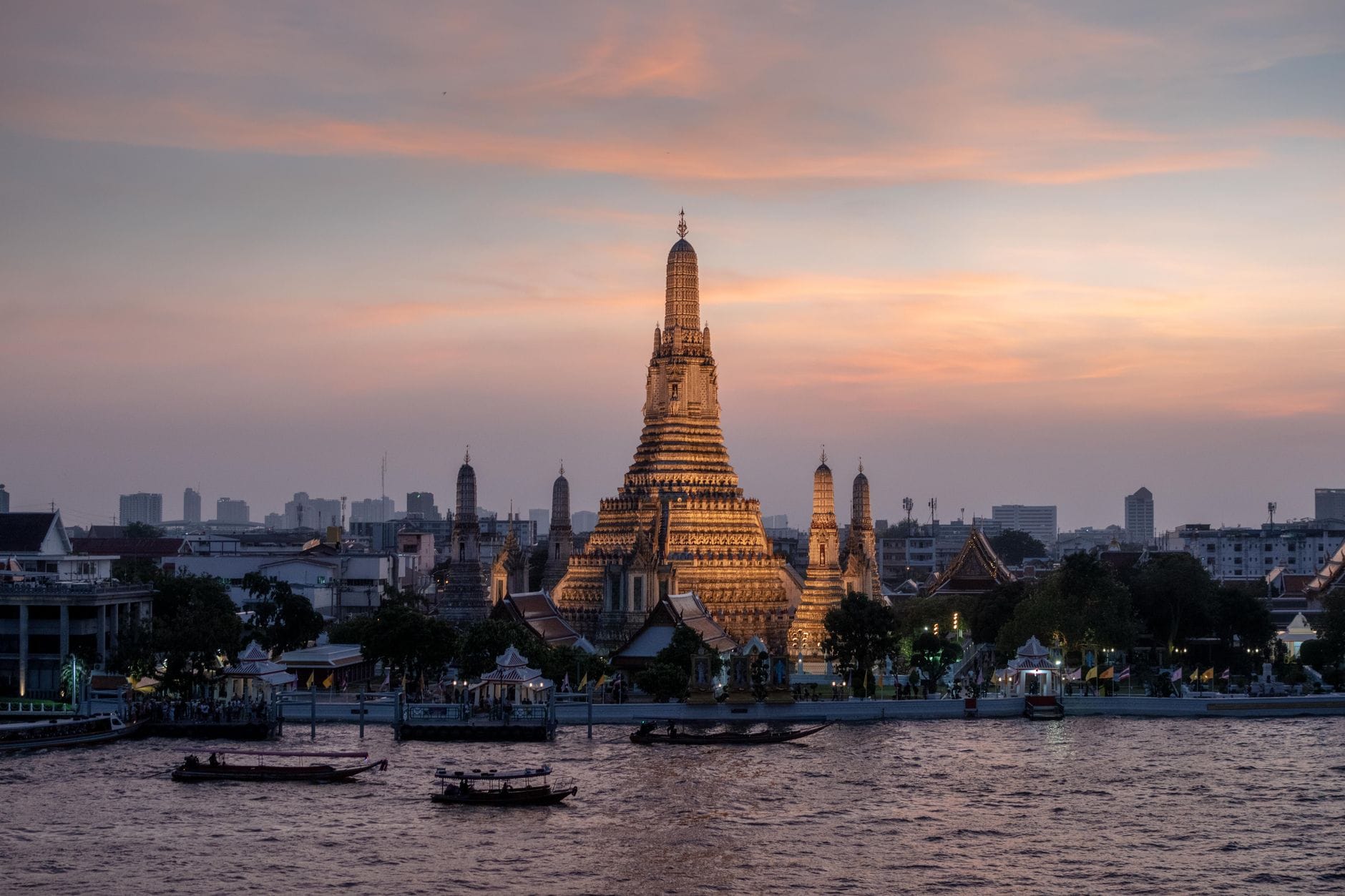
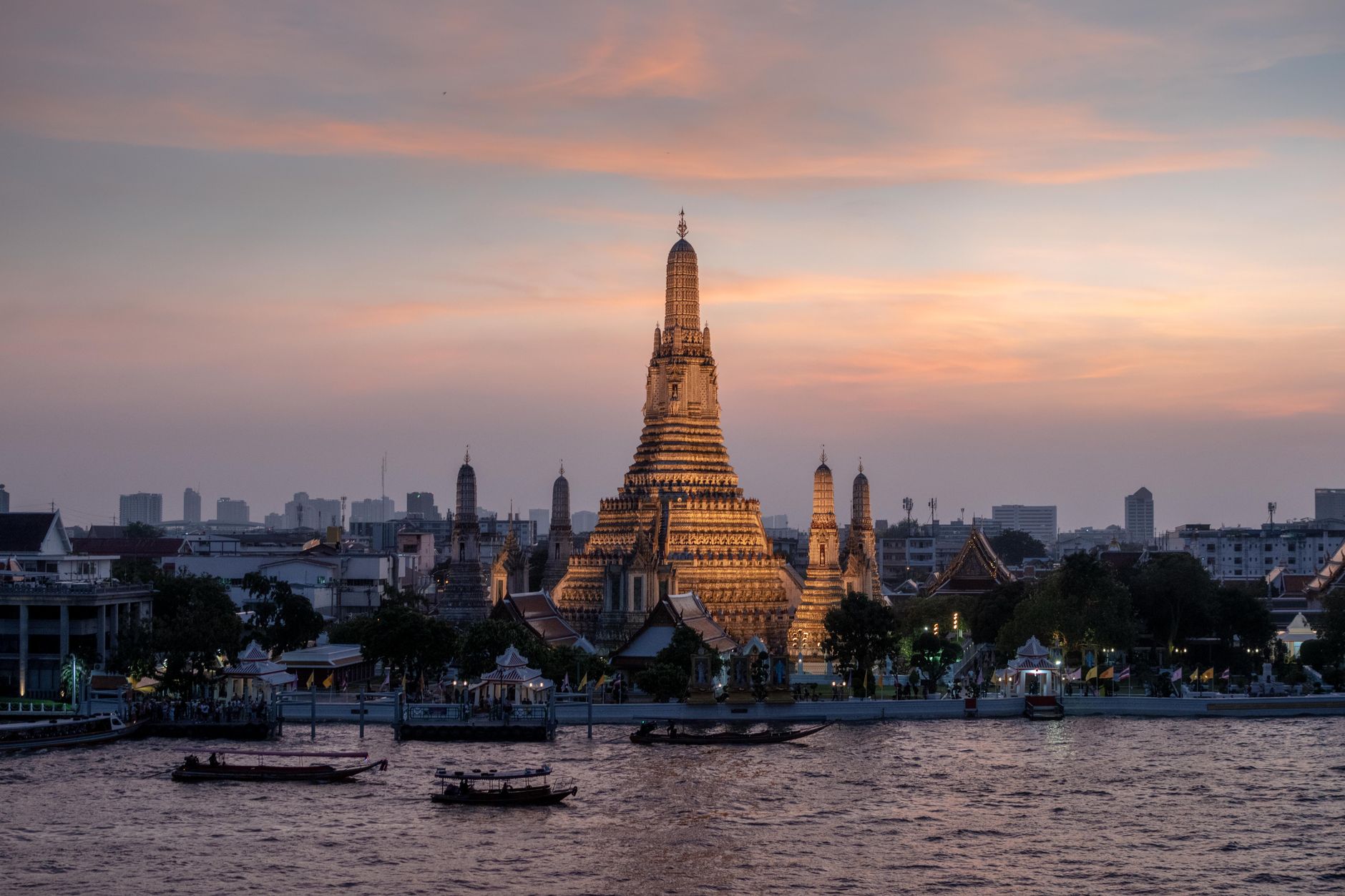
1:00 PM: Cross-river ferry from Tha Tien Pier to Wat Arun (Temple of Dawn). The crossing costs ฿5 (14 cents). Wat Arun's porcelain-encrusted prang (tower) is iconic for a reason. Climb the steep steps for Chao Phraya River views. Entry is ฿100 ($2.80).
Afternoon: Lunch at a riverside restaurant, then retreat to your hotel pool. Bangkok's midday heat is no joke.
Evening: Rooftop drinks at sunset. Skip the overpriced Sky Bar at Lebua (where The Hangover Part II filmed) unless you love paying $20 for a cocktail while packed with tourists taking selfies. Instead, try Above Eleven on Sukhumvit Soi 11 or Octave Rooftop at the Marriott — both have reasonable happy hours and actual Bangkok locals.
Day 3: Markets and Modern Bangkok
If it's a weekend, dedicate your morning to Chatuchak Weekend Market. With 15,000+ stalls spanning 35 acres, it's the largest market in Southeast Asia. BTS Mo Chit station drops you at the entrance. The market opens at 9 AM; arrive then to beat both crowds and heat.
What to buy: handcrafted leather goods, vintage Thai band t-shirts, essential oils, and ceramics you didn't know you needed. What to eat: coconut ice cream served in the shell (฿40), grilled pork skewers (฿10), and fresh-squeezed pomegranate juice (฿60).
On weekdays, swap Chatuchak for the Or Tor Kor Market — Bangkok's upscale fresh market near Chatuchak with pristine produce and prepared foods. Then visit ICONSIAM mall, which features an indoor floating market on the ground floor that sounds gimmicky but actually works for sampling Thai snacks in air conditioning.
Afternoon: Jim Thompson House, the preserved home of an American silk merchant who mysteriously disappeared in Malaysia. The traditional Thai architecture and art collection justify the ฿200 ($5.50) entry. It's a quiet oasis in the Sukhumvit chaos.
Evening: Explore Thonglor and Ekkamai, Bangkok's trendy neighborhoods. Start with dinner at Soul Food Mahanakorn (modern Thai) or Somtum Der (authentic Isaan papaya salad). Finish with craft cocktails at Tep Bar (Thai-inspired drinks) or Rabbit Hole (speakeasy vibe).
Day 4: Ayutthaya Day Trip or Bangkok Deep Dive
You have two solid options for your final Bangkok day.
Option A — Ayutthaya: The ancient Siamese capital 80 km north of Bangkok offers temple ruins that rival Angkor Wat on a smaller scale. Take the train from Hua Lamphong station (1.5 hours, ฿15-300 depending on class) or book a tour with transport included. The historical park is a UNESCO World Heritage site and delivers those "ancient civilization" vibes that make travel feel epic. Budget ฿1,500-2,500 ($42-70) for the day including transport, entry fees, and meals.
Option B — Bangkok Canals: Skip the tourist-trap floating markets (Damnoen Saduak is a 2-hour drive and feels like a theme park). Instead, take a longtail boat tour through Thonburi's khlongs (canals) — the "Venice of the East" that most tourists miss. Hire a boat at Tha Chang Pier near the Grand Palace (negotiate to ฿800-1,200 for 1-2 hours). You'll see stilt houses, monitor lizards, and a Bangkok that existed before skyscrapers.
Evening: One last meal in Chinatown (Yaowarat). The street comes alive after 6 PM with vendors selling everything from bird's nest soup to grilled squid. Follow the locals — if a stall has a line, join it.

Days 5-8: Chiang Mai — The Cultural Heart of Thailand
Chiang Mai is where Thailand's soul lives. While Bangkok hustles, Chiang Mai breathes. The ancient capital of the Lanna Kingdom moves slower, smiles warmer, and delivers the Thailand that existed before mass tourism — while still having excellent coffee shops.
Getting There: The Journey Is Part of the Experience
You have three options to reach Chiang Mai from Bangkok:
Flight (recommended for time): 1 hour 15 minutes, ฿900-2,200 ($25-60) on AirAsia, Nok Air, or Thai Vietjet. Flights depart from both Don Mueang (DMK) and Suvarnabhumi (BKK). Book 2-4 weeks ahead for best prices.
Overnight train (recommended for experience): 13-15 hours in a second-class sleeper berth. This is a legitimate Thai travel rite — falling asleep to the rhythm of the tracks, waking to sunrise over rice paddies. Book at d-ticket.railway.co.th or through 12Go.Asia. Prices range from ฿900-1,500 ($25-42) for second-class sleeper.
VIP overnight bus: 10-11 hours, ฿450-700 ($13-20). Cheapest option but least comfortable. NCA (Nakhonchai Air) is the premium bus company with massive reclining seats.
Day 5: Old City Temples and Walking Streets
Chiang Mai's Old City is a square surrounded by a moat and crumbling brick walls. You can walk from one side to the other in 20 minutes. Stay inside the moat — guesthouses and boutique hotels abound, and you'll be walking distance to everything.
Morning: Temple hopping. Wat Phra Singh (Chiang Mai's most revered temple), Wat Chedi Luang (massive ruined chedi that once held the Emerald Buddha), Wat Phan Tao (teakwood beauty), and Wat Lok Molee (peaceful, fewer tourists). All are free or donation-based.
Lunch: Khao Soi Khun Yai, a street-side stall that serves the best khao soi (curry noodle soup) in Chiang Mai. Order the khao soi with chicken (฿40, about $1.10). Arrive before noon or join the queue.
Afternoon: Massage at Lila Thai Massage, a social enterprise employing formerly incarcerated women. It's ฿250 ($7) for an hour of traditional Thai massage that will realign things you didn't know were misaligned.
Evening: If you're here on a Sunday, the Walking Street Market transforms the entire Old City into a pedestrian paradise of crafts, food, and street performers. On Saturdays, the Saturday Walking Street on Wualai Road offers similar vibes with slightly fewer crowds. Any other night, head to the Night Bazaar for souvenir shopping and people-watching.
Day 6: Doi Suthep and Nimman
Morning: Doi Suthep temple sits on a mountain overlooking Chiang Mai. Take a red songthaew (shared pickup truck taxi) from outside Maya Mall or Chiang Mai Zoo — ฿50-80 ($1.40-2.20) per person each way if you wait for it to fill with other passengers. The 306-step naga staircase leads to golden chedis and panoramic city views. Go early (before 8 AM) for cooler temperatures and misty mountain atmosphere. Entry is ฿30 (under $1).
Afternoon: Nimmanhaemin Road ("Nimman") is Chiang Mai's hipster quarter. Think craft coffee (Ristr8to draws latte art champions), boutiques selling handmade ceramics, and co-working spaces filled with digital nomads who "escaped the matrix." It's worth a few hours of wandering, though the vibe is decidedly less "authentic Thailand" and more "Brooklyn with better weather."
Evening: Dinner at Tong Tem Toh (Northern Thai cuisine) or Huen Phen (traditional Lanna dishes in a heritage house setting). Then grab a drink at Roots Rock Reggae Bar or the speakeasy-style Akha Bar.
Day 7: Ethical Elephants or Cooking Class
This is your activity day. Choose your adventure:
Option A — Ethical Elephant Sanctuary: This is non-negotiable: do not ride elephants, do not visit shows where elephants paint or play soccer. These activities require breaking the animals' spirits through abuse.
Instead, visit Elephant Nature Park, the gold standard for ethical elephant tourism. It's a rescue and rehabilitation center where you'll observe elephants in their natural habitat, feed them, and possibly bathe them — but only if the elephants want to. It's ฿2,500-3,000 ($70-85) for a full day including transport and lunch. Book well in advance; they fill up weeks ahead.
Budget alternative: Elephant Jungle Sanctuary offers similar ethical experiences at ฿1,800-2,200 ($50-60) for a half-day. Do your research — "sanctuary" is an unregulated term, and some operators are better than others.
Option B — Thai Cooking Class: Full-day classes include market tours, instruction on 5-6 dishes, and eating everything you cook. Thai Farm Cooking School and Asia Scenic Thai Cooking School both get rave reviews. Prices run ฿900-1,500 ($25-42) for a full day. You'll learn to make curry paste from scratch — a skill that impresses people at dinner parties for years.
Day 8: Doi Inthanon or a Chill Day
Option A — Doi Inthanon National Park: Thailand's highest peak (2,565 meters) sits 90 minutes from Chiang Mai. Day tours run ฿1,400-1,800 ($40-50) and include the twin pagodas built for the King and Queen's 60th birthdays, several waterfalls, and visits to Karen and Hmong hill-tribe villages. The summit can be surprisingly cold — bring a jacket.
Option B — Pai: If you have flexible travel dates, the bohemian mountain town of Pai is 3 hours north through 762 curves (seriously, take motion sickness pills). It's become a backpacker cliché, but the hot springs, canyon viewpoints, and laid-back vibes are genuinely appealing. You'd need 2 days minimum to justify the journey, so only choose this if you're extending your Chiang Mai time.
Option C — Rest Day: You've been moving constantly. Chiang Mai is perfect for doing nothing. Find a cafe, read a book, get another massage, and eat your way through the night markets without an agenda.

Days 9-13: Krabi, Railay, and Island-Hopping Paradise
You have three main beach options in Southern Thailand:
- Phuket: Largest island, most developed, international airports, party scene. Overcrowded and overpriced for first-timers.
- Koh Samui/Koh Phangan: Gulf of Thailand side, Full Moon Party reputation, more expensive to reach from Chiang Mai.
- Krabi/Railay: Andaman Sea side, dramatic limestone karsts, accessible from Chiang Mai via Krabi Airport, less developed than Phuket.
For first-timers, Krabi province wins. It offers the Thailand beach fantasy — turquoise water, longtail boats, rock climbers scaling cliffs — without the Patong Beach sleaze.
Day 9: Travel Day to Ao Nang
Fly Chiang Mai to Krabi (CNX → KBV). Direct flights exist but are limited; most routes connect through Bangkok. Budget 2,000-3,500 ($55-100) for the flight if booked in advance.
From Krabi Airport, a shared minivan to Ao Nang beach costs ฿150 ($4) and takes 45 minutes. Ao Nang is the main tourist hub — convenient but not charming. Stay here for easy access to boats and tours. Mid-range hotels with pools run ฿1,200-2,500 ($35-70) per night.
Evening: Sunset at Ao Nang Beach, then dinner on the main strip. Avoid the restaurants with touts waving English menus — the best Thai food is always where locals eat. Look for the places with plastic stools and photos of dishes on the wall.
Day 10: Railay Beach
Railay is the reason you came to Thailand. Limestone cliffs rise vertically from turquoise water. Longtail boats bob in the bay. Rock climbers dangle from overhangs like spiders. It's only accessible by boat — no roads, no cars, just jungle paths connecting beaches.
The longtail boat from Ao Nang to Railay West takes 15 minutes and costs ฿100 ($2.80) each way. Boats run when they have 8 passengers, or you can charter one for ฿800.
West Railay: Sunset beach, resort hotels, relaxed vibe. Perfect for swimming and watching climbers on the cliffs above.
East Railay: Mangrove side, cheaper accommodation, climbing shops, and the walking street with restaurants.
Phra Nang Beach: Walk through a cave from East Railay to reach this stunning stretch of sand with the famous Princess Cave. Bring water and snacks — prices double once you're there.
Hiking: The viewpoint trail from East Railay is steep, muddy, and requires some scrambling — but the panorama of the peninsula is worth the effort. Allow 45 minutes up.
Stay on Railay if your budget allows (hotels start around ฿2,500/$70), or return to Ao Nang for cheaper options.
Day 11: Four Islands Tour or Hong Islands
Every travel agent in Ao Nang sells island-hopping tours. The two main options:
Four Islands Tour: Includes Phra Nang Beach, Chicken Island (named for a rock formation), Tup Island (sandbar connecting small islands), and Poda Island. Snorkeling, swimming, beach time. Prices range from ฿400-1,200 ($11-35) depending on group size and inclusions. Longtail boat tours are cheaper and more atmospheric; speedboat tours cost more but include more distant islands.
Hong Islands Tour: Hong means "room" in Thai — these islands have emerald lagoons you kayak into. Less crowded than the Four Islands route, more kayaking, excellent snorkeling. Similar pricing.
The tours are touristy but genuinely fun. You'll be herded with 20 other people, given a mediocre lunch, and shuttled between postcard-perfect locations. Embrace it.
Day 12: Phi Phi Islands Day Trip or Beach Bumming
Koh Phi Phi is the island that starred in The Beach (the Leonardo DiCaprio movie). It's also infamous for overtourism — during peak season, Maya Bay sees 4,000 visitors daily.
But the Phi Phi Islands are stunning, and if you visit as a day trip rather than staying overnight, you can experience the highlights without the party-hostel misery.
Speedboat day trips from Ao Nang run ฿1,800-2,500 ($50-70) and hit Maya Bay, Monkey Beach, Viking Cave, and snorkeling spots. You'll see the famous limestone formations that define Thailand's coastal beauty.
Alternatively, skip Phi Phi and spend the day at your hotel pool, getting massages on the beach (฿300-400/$8-11 for an hour), and eating fresh seafood. Travel burnout is real.
Day 13: Tiger Cave Temple or Final Beach Day
Option A — Tiger Cave Temple (Wat Tham Sua): Climb 1,237 steps to a Buddha statue overlooking Krabi province. It's a workout — the steps are steep and uneven. But the 360-degree views of karst mountains, jungle, and coastline are the best in the region. Go early, bring water, and take your time. Entry is free.
Option B — Beach Day: You're on a beach vacation. Act like it. Find a spot on Ao Nang, order a coconut, read a book, and watch the longtail boats come and go.
Evening: Farewell dinner. Krabi Town (20 minutes from Ao Nang) has better and cheaper food than the beach areas. Maharaj Road comes alive at night with markets and local restaurants.
Day 14: Departure
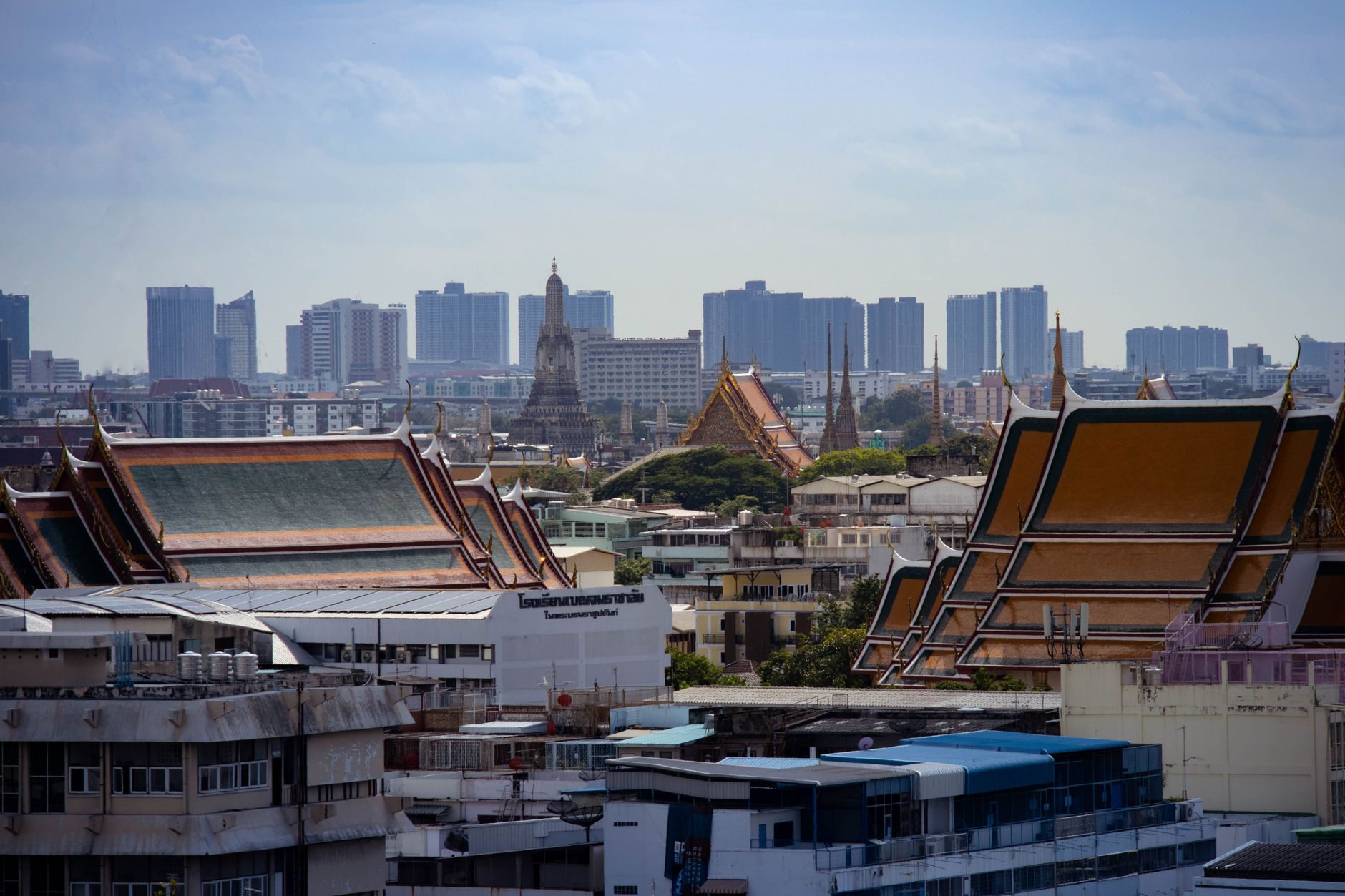
Fly Krabi to Bangkok (฿1,200-2,500/$35-70) for your international connection, or extend your trip if you can. Most flights to Europe or North America depart Bangkok in the evening, giving you a final day to shop for souvenirs at the airport or grab one last street food meal.
If your flight allows, store your luggage at the airport and take the Airport Rail Link back into the city for a final Thai meal. The food court at Terminal 21 mall (connected to BTS Asok) offers authentic dishes in air-conditioned comfort.
The Real Costs: Budget Breakdown
Thailand can be done cheaply or luxuriously. Here's the realistic breakdown for a mid-range traveler (not backpacker-budget, not five-star):
Accommodation (per night):
- Bangkok (4 nights): ฿1,800-3,200 ($50-90) × 4 = ฿7,200-12,800 ($200-360)
- Chiang Mai (4 nights): ฿900-1,600 ($25-45) × 4 = ฿3,600-6,400 ($100-180)
- Krabi/Ao Nang (5 nights): ฿1,200-2,500 ($35-70) × 5 = ฿6,000-12,500 ($175-350)
Total accommodation: ฿16,800-31,700 ($475-890)
Transportation:
- Bangkok-Chiang Mai flight: ฿900-2,200 ($25-60)
- Chiang Mai-Krabi flight: ฿2,000-3,500 ($55-100)
- Krabi-Bangkok flight: ฿1,200-2,500 ($35-70)
- Local transport (taxis, tuk-tuks, songthaews): ฿3,000-5,000 ($85-140)
Total transport: ฿7,100-13,200 ($200-370)
Food:
Street food meals: ฿50-150 ($1.50-4)
Restaurant meals: ฿200-500 ($6-14)
Western food: ฿300-800 ($8-22)
Drinks/coffee: ฿40-150 ($1-4)
Total food (14 days): ฿10,000-18,000 ($280-500)
Activities:
- Temple entries and museums: ฿1,500-2,000 ($42-55)
- Elephant sanctuary or cooking class: ฿1,800-2,500 ($50-70)
- Island tours: ฿2,000-3,500 ($55-100)
- Massages (4-5 sessions): ฿1,500-2,500 ($42-70)
Total activities: ฿6,800-10,500 ($190-295)
Grand Total (per person, excluding international flights):
- Budget end: ฿40,700 ($1,145)
- Mid-range: ฿50,000-60,000 ($1,400-1,680)
- Comfortable: ฿73,400 ($2,060)
Add $800-1,500 for international flights from North America or Europe, depending on season and origin city.
Practical Tips for First-Timers
Money:
Thailand runs on cash. Carry small bills — many vendors won't have change for 1,000 baht notes. ATMs charge ฿220 ($6) per foreign card transaction, so withdraw large amounts less frequently. Exchange rates are better at SuperRich booths (found in Bangkok malls) than at airport exchanges.
Health:
Buy travel insurance. Hospital care in Thailand is excellent but expensive for foreigners. Street food is generally safe if you follow the crowds — busy stalls with high turnover mean fresh ingredients. Avoid ice in rural areas unless you see the vendor using purified water. Mosquito repellent is essential; dengue exists in Thailand.
Etiquette:
Remove shoes before entering temples and homes. Don't point your feet at Buddha images or other people. Dress modestly at religious sites — shoulders and knees covered. The King is deeply revered; never disrespect the monarchy (it's actually illegal under lèse-majesté laws). Smile — Thailand is the Land of Smiles, and a friendly attitude opens doors.
Scams to Avoid:
Tuk-tuk drivers who claim your destination is "closed" and offer an alternative tour. Gem shops offering "today only" investment opportunities. Taxi drivers who refuse to use the meter. The solution is simple: use Grab (the app) for transport when possible, and ignore anyone who approaches you with unsolicited help.
Best Time to Visit:
November to February is cool and dry — peak season with higher prices. March to May is hot and humid. June to October is monsoon season — fewer tourists and lower prices, but some islands may be inaccessible and seas rough.
Why This Itinerary Works
Thailand first-timers often try to do too much. They add Koh Samui after Phuket, squeeze in a quick trip to Cambodia, or rush through the north in two days. The result is a vacation spent in transit, checking boxes rather than experiencing places.
This itinerary focuses on depth over breadth. Four days in Bangkok lets you move past the tourist highlights to discover neighborhoods most visitors miss. Four days in Chiang Mai gives you time for the mountains, the culture, and the elephants. Five days in Krabi lets you actually relax on the beach rather than just posing for photos.
Thailand isn't a country you visit once. It's a country that hooks you, that brings you back for the second, third, tenth trip. This itinerary covers the essential Thailand — the one that makes you start checking flight prices for your return before you've even left.
Pack light. Stay flexible. Eat everything. And prepare to fall in love with the chaos, the kindness, and the coconut curries that define this remarkable country.