
First Time in Vietnam? Here's the Perfect 2-Week North to South Itinerary for 2026 (With Real Costs)
A complete 2-week Vietnam itinerary from Hanoi to Ho Chi Minh City, with real 2026 costs, transportation logistics, and practical advice for first-time visitors.
You posted on Reddit asking for help planning your first Vietnam trip. The responses probably ranged from "just wing it" to 47-day motorbike itineraries that would break your spine and your budget.
Here is the truth: Vietnam rewards preparation, but not rigid over-planning. This country moves fast, changes constantly, and surprises even seasoned travelers. After analyzing hundreds of first-timer itineraries and the mistakes people actually regret, I have put together a practical 2-week North to South route that hits the essential experiences without turning your vacation into a logistics marathon.
This itinerary works for solo travelers, couples, and small groups. It balances structured activities with downtime, keeps transportation manageable, and gives you real cost estimates based on 2026 pricing.

Why This Route Makes Sense
Most first-timers try to cram too much into 14 days. They end up spending half their trip on buses and trains, checking into hotels at midnight, and forgetting which city they are in.
The North to South approach works because:
- You start in Hanoi, where the slower pace helps you adjust to the chaos
- Ha Long Bay is within easy reach for your first major experience
- Ninh Binh offers a quieter alternative to the bay if weather turns bad
- Hoi An provides a mid-trip breather with beaches and excellent food
- Ho Chi Minh City delivers urban energy for your final days
- The Mekong Delta makes an easy day trip before departure
You will skip Sapa (too much travel time for 2 weeks), Phong Nha (better for adventure specialists), and the Central Highlands (amazing but logistically complex). These places deserve dedicated trips, not rushed stops.
Days 1-3: Hanoi — Finding Your Feet
Arrival and First Impressions
Fly into Noi Bai International Airport and grab a Grab taxi to the Old Quarter. This will cost around 300,000 VND ($12 USD). Do not take the airport taxis without meters; they still run the meter-scam on jet-lagged tourists.
Hanoi hits different from other Southeast Asian capitals. The French colonial architecture mixed with Vietnamese chaos creates something unique. Motorbikes flow like water around pedestrians. Street vendors set up on sidewalks that barely exist. The smell of pho broth mingles with exhaust fumes and incense from neighborhood temples.
What to Actually Do
Day 1: Recover from your flight. Walk around Hoan Kiem Lake at sunset when locals exercise, dance, and socialize. Eat bun cha (grilled pork with noodles) at a plastic stool on the street. Go to bed early; jet lag is real.
Day 2: Start at the Ho Chi Minh Mausoleum complex. The line moves fast, and seeing the preserved body remains a surreal experience. Walk through the Presidential Palace grounds and the One Pillar Pagoda. In the afternoon, explore the Temple of Literature, Vietnam's first university, for some calm among the stone courtyards.
Day 3: Get lost in the Old Quarter. Each street historically sold one product, and some still do. Tin Street, Bamboo Street, Silk Street — the specialization persists. Stop for egg coffee at Cafe Giang, where the owner invented the drink in 1946. The whipped egg yolk with condensed milk and robusta coffee tastes like liquid tiramisu.
Hanoi accommodation runs $15-25 for decent hostels, $40-80 for mid-range hotels in the Old Quarter. La Siesta Hotel and Golden Sun Suites consistently get good reviews from first-timers.
Days 4-5: Ha Long Bay or Ninh Binh — The Landscape You Came For
You have a choice here, and weather should drive your decision.
Option A: Ha Long Bay (Best October-April)
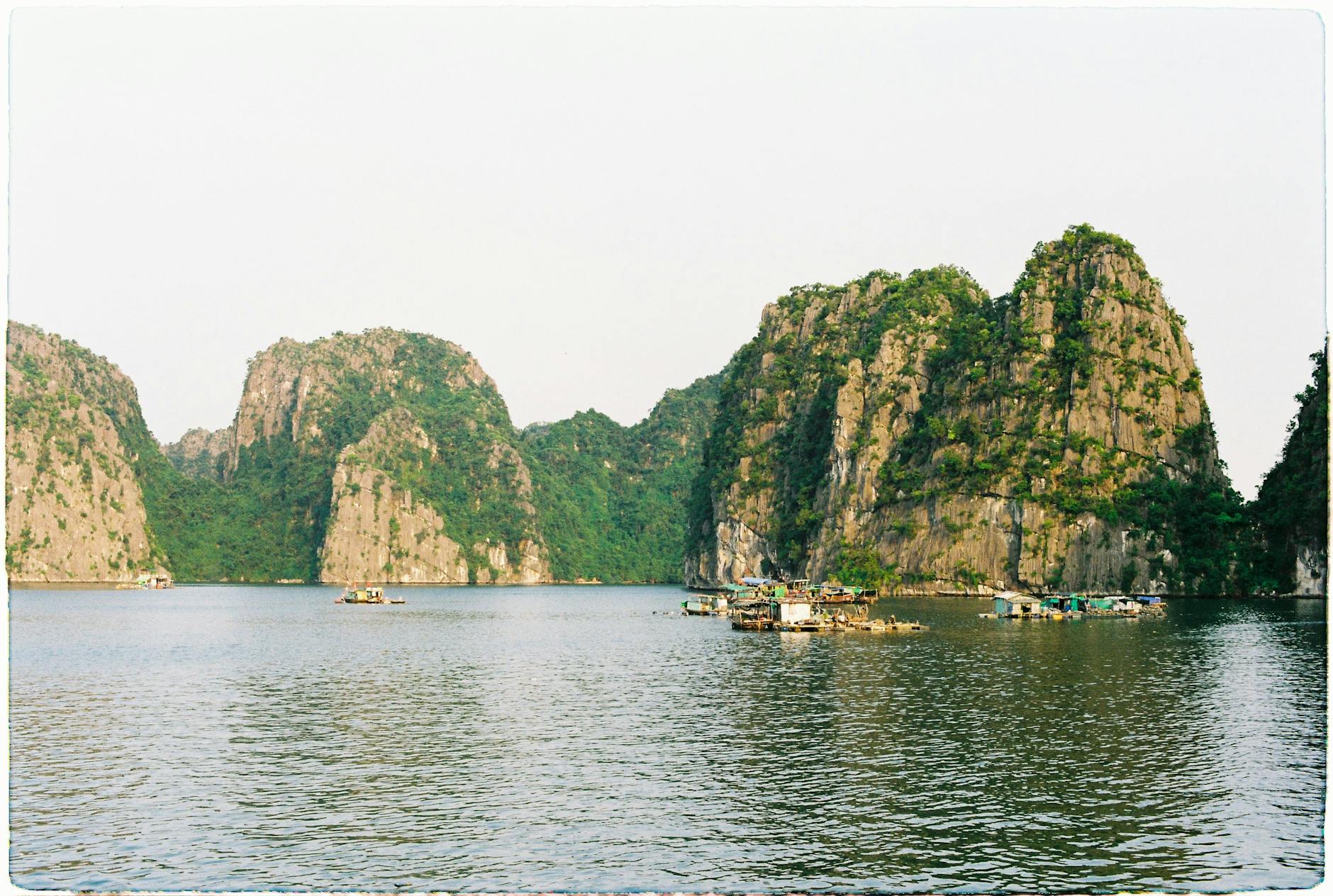
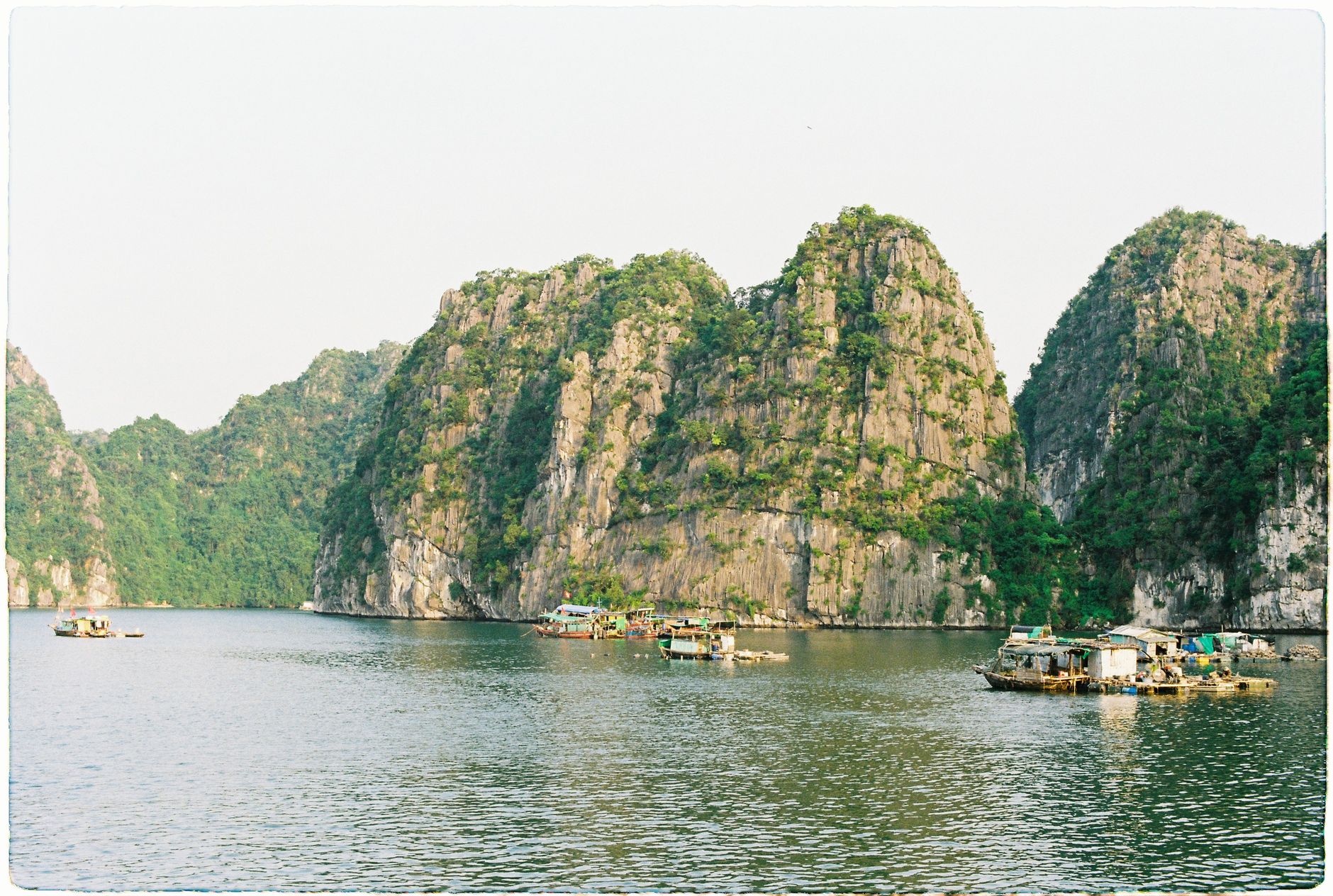
The UNESCO World Heritage site lives up to the hype — thousands of limestone karsts rising from emerald water. The problem is everyone knows about it.
Book an overnight cruise, not a day trip. Day trippers see the most crowded areas and miss the magic of sunrise on the water. Look for mid-range operators like Swan Cruises or Rosa Boutique Cruises ($150-200 for 2 days/1 night). Avoid the budget party boats unless you want to relive college spring break with Australian backpackers.
The cruise includes kayaking through hidden lagoons, visiting floating fishing villages, and swimming if weather permits. Food quality varies wildly by operator, so read recent reviews specifically mentioning meals.
Option B: Ninh Binh — "Ha Long Bay on Land" (Best May-September)
When Ha Long gets stormy or overrun, Ninh Binh offers similar limestone scenery without the cruise ship crowds. It is 2 hours from Hanoi by train or bus, making it logistically easier too.
Trang An Scenic Landscape Complex provides boat rides through caves and past temples. The Mua Caves viewpoint requires climbing 500 steps, but the panoramic view of rice paddies surrounded by karsts justifies the sweat. Bich Dong Pagoda, built into a mountainside cave, creates perfect photo opportunities.
Stay at Tam Coc Garden or Emeralda Resort for comfort, or grab a $20 homestay for authenticity. Ninh Binh costs roughly half what you would spend on a Ha Long cruise.
Days 6-7: Overnight Transport and Recovery in Hoi An
The overnight train from Hanoi to Da Nang takes about 14 hours. Book a soft sleeper in advance through Vietnam Railways or 12go.asia. The experience itself becomes part of your trip — watching the countryside roll past, sharing compartments with Vietnamese families, attempting to sleep through the rocking motion.
Alternatively, budget airlines like VietJet and Bamboo Airways fly the route in 1.5 hours for $40-70. The train saves you a night's accommodation and reduces your carbon footprint. The flight saves your back and your sanity.
From Da Nang, Hoi An lies 30 minutes south by taxi or Grab. This ancient trading port delivers the most pleasant experience in Vietnam. The Old Town bans motorbikes, yellow colonial buildings line pedestrian streets, and lanterns illuminate the Thu Bon River every evening.
Hoi An exists for wandering. Tailors will approach you constantly; if you want custom clothing made, this is the place. Suits run $100-200, dresses $40-80, depending on fabric quality. Allow 24-48 hours for fittings.
Food here stands out even by Vietnamese standards. Cao lau noodles, white rose dumplings, and banh mi from Madam Khanh's shop reward every meal. Take a cooking class at Red Bridge or Green Bamboo — they include market tours and techniques you can actually replicate at home.
Stay at Anantara Hoi An for luxury ($150-200), Lasenta Boutique for mid-range comfort ($50-80), or any of the hundred family-run homestays ($15-30).
Days 8-9: Beach Recovery or Da Nang Exploration
An Bang Beach, 3 kilometers from Hoi An's center, offers a quieter alternative to the crowded main beach. Beach clubs rent loungers for $2-5 and serve cold beer all day. The water stays warm enough for swimming October through May.
Alternatively, day trip to Da Nang. The Marble Mountains contain caves, temples, and viewpoints requiring another stair climb. My Khe Beach stretches for kilometers with soft sand and actual waves. The Dragon Bridge breathes real fire and water every weekend evening at 9 PM.
Ba Na Hills, with its famous Golden Bridge held by giant stone hands, sits 45 minutes from Da Nang. The French Village replica feels kitschy, but the mountain views and cool temperatures provide relief from coastal heat. The cable car ride itself justifies the $40 entrance fee.
Some travelers skip Hoi An entirely, calling it touristy. They are wrong. Yes, the Old Town gets crowded, but the beauty is real, the food is exceptional, and the atmosphere remains distinctly Vietnamese despite the Instagram crowds.
Days 10-11: Ho Chi Minh City — Controlled Chaos
Fly from Da Nang to Ho Chi Minh City (Saigon). The 1-hour flight costs $30-60 on VietJet or Bamboo Airways. Overland transport takes 18-20 hours — not worth the savings for a 2-week trip.
HCMC operates at triple Hanoi's speed. The motorbike traffic intimidates even experienced travelers. Crossing the street requires confidence: walk slowly, predictably, and the bikes will flow around you. Hesitation causes accidents.
Day 10: Start at the War Remnants Museum. The exhibits are graphic — photos of Agent Orange victims, torture devices, destroyed villages — but necessary for understanding modern Vietnam. The perspective differs sharply from American narratives of the war.
Walk to the Reunification Palace, frozen in 1975 when tanks crashed through the gates. The underground command bunkers and period-furnished rooms feel like time capsules.
In the evening, explore the Ben Thanh Night Market or the backpacker district on Pham Ngu Lao Street. Drink bia hoi (fresh beer) for $0.50 a glass.
Day 11: Take a day trip to the Cu Chi Tunnels, the underground network where Viet Cong fighters lived and fought. The claustrophobia hits immediately upon crawling through the expanded tourist sections; the original tunnels were half this size.
Alternatively, explore the city independently. The Notre-Dame Cathedral (currently under restoration), Central Post Office with its colonial architecture, and Jade Emperor Pagoda offer diverse experiences. District 1 contains most tourist sites, but District 2 (Thu Thiem) and District 7 show where the city develops.
HCMC accommodation ranges widely. The Myst Dong Khoi and Hotel des Arts deliver luxury ($120-200). Silverland hotels provide consistent mid-range quality ($50-90). Long Hostel and Saigon Backpackers Hostel suit budget travelers ($8-15).
Day 12: Mekong Delta — The Rice Bowl of Vietnam
The Mekong Delta feeds much of Southeast Asia. Floating markets, fruit orchards, and riverside villages create a completely different Vietnam from the cities.
Book a day tour through Les Rives or Mekong River Cruises ($50-80 including transport and lunch). Cai Rang floating market, the largest in the delta, requires an early start — boats gather around 5-7 AM.
The standard tour includes cruising narrow canals, visiting a coconut candy workshop, listening to traditional folk music, and eating elephant ear fish for lunch. It feels touristy because it is touristy, but the floating market experience remains genuine.
Overnight delta trips allow deeper exploration, but for a 2-week itinerary, the day trip suffices. Return to HCMC by evening.
Days 13-14: Final Explorations and Departure
Use your final days for whatever you missed. Shop for souvenirs at Ben Thanh Market or Saigon Square — negotiate hard, start at 40% of the asking price. Get a massage; quality spas charge $15-25 for 90 minutes. Eat your final bowls of pho.
Most flights to North America and Europe depart late at night or early morning. Tan Son Nhat International Airport lies close to the city center — allow 2-3 hours before international departures.
What This Actually Costs in 2026
Here are realistic daily budgets for 2 weeks in Vietnam:
Budget Traveler: $35-50/day
- Hostel dorm bed: $8-12
- Street food meals: $2-4 each
- Local bus transport: $5-10 between cities
- Attractions and activities: $5-10/day
- Total for 2 weeks: $490-700
Mid-Range Comfort: $75-100/day
- Private hotel room: $35-50
- Restaurant meals: $8-15 each
- Mix of trains, flights, and private cars: $15-25/day
- Tours and experiences: $15-25/day
- Total for 2 weeks: $1,050-1,400
Comfortable Plus: $150-200/day
- Boutique hotels: $80-120
- Upscale dining: $20-40 per meal
- Domestic flights and private drivers: $30-50/day
- Premium tours and experiences: $30-50/day
- Total for 2 weeks: $2,100-2,800
These estimates exclude international flights. From the US West Coast, expect $800-1,200 round trip. From Europe, $600-900. Prices drop during shoulder seasons (March-April and September-October).
Practical Tips That Actually Matter
Visas: Most nationalities get 45-day visa-free entry as of 2026. Check current requirements before departure; Vietnam changes visa rules frequently.
Money: Vietnam is largely cash-based. ATMs dispense dong, but many charge fees. Bring a no-foreign-transaction-fee debit card. USD works for large purchases, but you will get poor exchange rates.
Health: Pack Imodium and oral rehydration salts. Even careful travelers get stomach issues. The tap water is not safe to drink. Ice in established restaurants is usually fine.
Transportation: Grab (Southeast Asia's Uber) works everywhere and eliminates taxi scams. For intercity travel, book trains and flights through official sites or 12go.asia. Open-tour buses like The Sinh Tourist and Camel Travel offer hop-on, hop-off service.
Safety: Vietnam is remarkably safe for violent crime. Petty theft — phone snatching, bag slashing — happens in tourist areas. Keep your phone in front pockets, bags across your body, and awareness high in crowds.
Weather: The country is long enough to have multiple climate zones. North Vietnam has distinct winters (December-February can be cold). Central Vietnam sees typhoon season August-November. South Vietnam stays hot and humid year-round with a rainy season May-October.
The Honest Verdict
Vietnam overwhelms first-timers in the best possible way. The sensory assault of traffic, flavors, and humanity forces you into the present moment. You cannot half-experience this country; it demands full attention.
This itinerary provides structure without rigidity. You will see the essential landscapes, taste the defining dishes, and understand why Vietnam captivates everyone who visits. The real magic happens in unplanned moments — the grandmother who insists you try her homemade com, the motorbike driver who recommends a local bun bo Hue spot, the sunset over the Thu Bon River that stops you mid-step.
Two weeks is not enough for Vietnam. Nothing is. But this route gives you a proper introduction, and it will not be your last trip.
Sources
- Vietnam National Tourism Board — Official tourism statistics and destination information
- My Vietnam Tours — Destination guides and regional travel information
- Vietnam Railways — Train schedules and booking information
- 12go.asia — Transportation booking platform for Southeast Asia