
First Time Driving Iceland's Ring Road? Here's the Perfect 10-Day Itinerary for 2026 (With Real Costs)
Planning your first Iceland Ring Road trip? This complete 10-day itinerary includes day-by-day driving routes, real 2026 costs, must-see waterfalls, glacier lagoons, and essential tips for first-timers driving Iceland's famous Route 1.
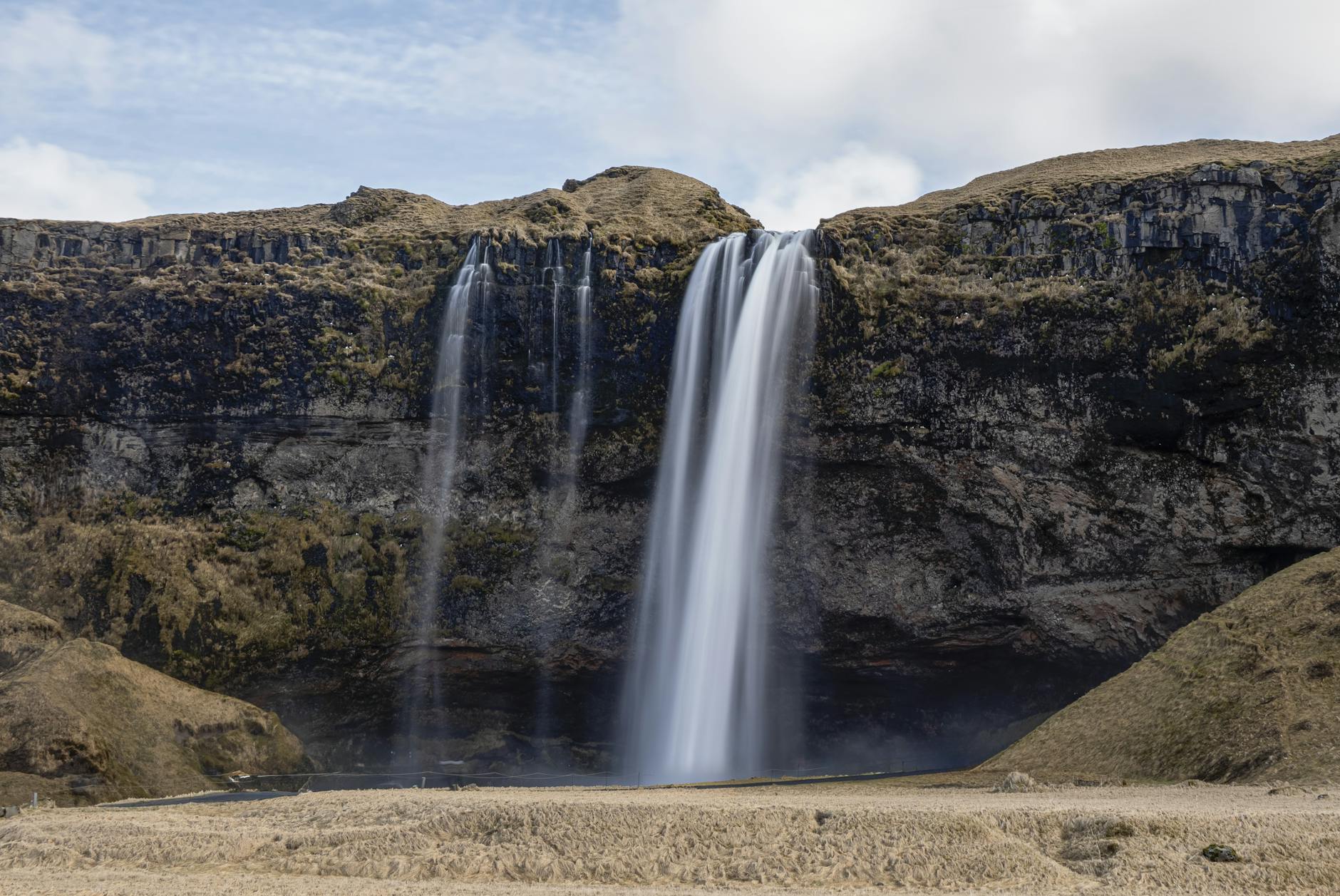
You have seen the photos. Waterfalls tumbling off black cliffs. Geothermal steam rising from lunar landscapes. Glaciers calving into ice-filled lagoons. Iceland looks like nowhere else on Earth, and driving the Ring Road is how you see the best of it.
But here is the problem: Iceland is expensive. Confusing to plan. And the weather can turn on you faster than you can say "Eyjafjallajökull." I have met travelers who blew $8,000 on a rushed week, barely seeing anything because they did not know what to prioritize. I have also met backpackers who stretched $2,500 over two weeks and had the time of their lives.
The difference? Knowing the route, the costs, and the tricks before you land.
This 10-day Iceland Ring Road itinerary is built from hundreds of hours of research, real 2026 pricing, and lessons learned from actually driving the route. It balances the must-see highlights with hidden gems most tourists miss. It accounts for driving times that do not leave you exhausted. And it tells you exactly what you will spend.
What Is the Ring Road, Really?
The Ring Road—Þjóðvegur 1, or Route 1—is an 821-mile (1,322 km) highway that circles the entire country. It connects Reykjavík in the southwest to fishing villages in the east, geothermal fields in the north, and the wild fjords of the west. Think of it as Iceland's greatest hits album on asphalt.
The road itself is paved and well-maintained in summer. Most of it is a single lane in each direction. You will cross one-lane bridges, drive through mountain passes, and share the road with sheep that treat the highway like their personal pasture. Speed limits are low—often 90 km/h (56 mph) maximum—and strictly enforced with cameras.
Here's what matters: you cannot see Iceland properly without driving. Organized tours hit the big spots, but they miss the roadside hot springs, the random volcanic craters, the moment you pull over because a glacier just appeared around a bend. The Ring Road gives you freedom. It also requires preparation.
When to Go: Timing Your Iceland Road Trip
You can technically drive the Ring Road any time of year. You probably should not do it in winter.
From November through March, daylight shrinks to four to six hours daily. Storms with hurricane-force winds roll through without warning, closing roads for days. Ice and snow make mountain passes treacherous. Some attractions shut down entirely. Yes, you might see the Northern Lights. You will also spend half your trip sitting in a hotel lobby waiting for conditions to improve.
The smart window is late May through early September. June offers near-midnight sun and blooming lupine fields. July and August are warmest and busiest—book everything months ahead. September brings fewer crowds, slightly lower prices, and a small chance of early auroras.
Iceland's weather is famously unpredictable even in summer. Pack for four seasons in one day. Check Safetravel.is and Road.is daily for road conditions and closures.
The Real Costs: What You Will Actually Spend
Let us talk numbers. Iceland is not a budget destination, but you can control costs with smart planning.
Car Rental
A basic economy car runs $60-80 per day in shoulder season, $100-140 in peak summer. Four-wheel-drive is unnecessary for the Ring Road itself but required if you venture onto F-roads (highland routes). Fuel is expensive—expect $8-9 per gallon. Budget $400-500 for gas on a 10-day trip.
Accommodation
Guesthouses and hotels average $150-250 per night for a double room. Hostel dorms run $40-60 per bed. Campsites with facilities cost $15-25 per person. For a 10-night trip, plan $1,500-2,500 for lodging depending on your style.
Food
Restaurant meals easily hit $40-60 per person. A burger and beer at a casual spot? $35. Groceries at Bónus or Krónan supermarkets cost roughly 40% more than US prices but are your best bet. Budget travelers cook their own meals. Even then, expect $20-30 per day for food.
Activities
The Blue Lagoon costs $80-120 depending on the package. Glacier hiking runs $120-180. Whale watching in Húsavík is $90-110. Hot springs range from free (natural pools) to $40 (developed facilities). Budget $500-800 for activities over 10 days.
Total realistic budget: $3,500-5,000 per person for a moderate trip, $2,000-2,800 if you camp and cook, $6,000+ if you want hotels and restaurants.
The Perfect 10-Day Iceland Ring Road Itinerary
This route moves clockwise, starting with the popular south coast and saving the north for when you are fully in road trip mode. Distances are driving times between overnight stops, not including stops.
Day 1: Arrival, Blue Lagoon, and Reykjavík
Land at Keflavík Airport. Pick up your rental car—confirm the insurance details and photograph every scratch. Drive 20 minutes to the Blue Lagoon. Yes, it is touristy. Yes, it is expensive. But after an overnight flight, sinking into 100°F geothermal water surrounded by black lava fields is the perfect reset.
Book Blue Lagoon tickets weeks in advance for your arrival time slot. The silica mud masks are included. Bring a waterproof phone case.
Drive 45 minutes to Reykjavík. Stay in the downtown area—everything is walkable. Grab dinner at Bæjarins Beztu Pylsur, the famous hot dog stand near the harbor. It costs $4 and has been serving locals since 1937. Then walk to Hallgrímskirkja, the spaceship-like church, for sunset views over the city.
Stay: Reykjavík
Drive: 1 hour total
Day 2: The Golden Circle
Leave Reykjavík early. The Golden Circle is Iceland's most popular day trip route, and crowds arrive by 10 AM.
First stop: Þingvellir National Park. This is where the North American and Eurasian tectonic plates visibly pull apart, creating dramatic rifts you can walk between. It is also the site of the world's oldest parliament, founded in 930 AD. Walk the Almannagjá gorge and stand on the Law Rock where Viking chieftains once gathered.
Drive 40 minutes to Geysir geothermal area. The Great Geysir is mostly dormant now, but Strokkur erupts every 5-10 minutes, shooting boiling water 100 feet in the air. The sulfur smell is intense. The spectacle is worth it.
Continue 10 minutes to Gullfoss waterfall. This massive two-tiered cascade thunders into a canyon. On sunny days, double rainbows form in the mist. Bring a rain jacket—the spray reaches the viewing platforms.
For an optional add-on, drive 20 minutes to Brúarfoss, a smaller waterfall with shockingly blue glacial water. It requires a 2-mile round-trip walk but is far less crowded than the main Golden Circle stops.
Return to Reykjavík or stay somewhere along the route if you want a head start on tomorrow.
Stay: Reykjavík or Selfoss area
Drive: 3 hours loop
Day 3: Snæfellsnes Peninsula
Today takes you off the Ring Road to the Snæfellsnes Peninsula, sometimes called "Iceland in Miniature" because it packs every landscape type into one compact area.
Drive two hours northwest to Kirkjufell, the most photographed mountain in Iceland. It is a perfect cone-shaped peak next to a waterfall, made famous by Game of Thrones. Sunrise and sunset are magical here, but it is beautiful any time.
Continue to Snæfellsjökull National Park. The glacier-capped volcano here inspired Jules Verne's Journey to the Center of the Earth. Drive the coastal road for dramatic cliff views. Stop at Arnarstapi to see basalt columns and seabird colonies.
On your way back, visit Ytri Tunga beach. Unlike Iceland's black sand beaches, this one has golden sand—and a seal colony that hauls out on the rocks.
Stay: Borgarnes or return to Reykjavík area
Drive: 4-5 hours
Day 4: North to Akureyri
Today is mostly driving, but the scenery makes it worthwhile. Leave early and head north on the Ring Road.
Stop at Hraunfossar, a unique waterfall where water seeps through porous lava rock, creating countless small cascades spread across a wide cliff face. Nearby Barnafoss is a more violent, churning waterfall with a dark folklore legend about two children who fell from a stone bridge.
Continue north through farmlands and along fjords. The Ring Road here passes through several tunnels, including one that goes under a fjord.
Akureyri is Iceland's second-largest city, though that only means 20,000 people. It is a charming town with colorful wooden houses, a botanical garden, and surprisingly good restaurants. The church here resembles a smaller version of Hallgrímskirkja.
Stay: Akureyri
Drive: 5-6 hours
Day 5: Húsavík and Whale Watching
Drive 45 minutes to Húsavík, the whale watching capital of Iceland. This small fishing village has a picturesque harbor and some of the highest whale sighting success rates in Europe.
Book a morning whale watching tour. Humpback whales are the stars here, but you might also see minke whales, harbor porpoises, or even blue whales. The tours last 2-3 hours. Traditional oak boats are more atmospheric; RIB boats get you closer and faster.
Afterward, visit the Whale Museum to see full-size whale skeletons and learn about the species you just saw.
Soak in GeoSea, a geothermal sea bath perched on a cliff overlooking the Arctic Ocean. The water is naturally heated, and the infinity pool effect is stunning.
Stay: Húsavík or return to Akureyri
Drive: 1.5 hours round trip from Akureyri
Day 6: The Diamond Circle
Today explores the Diamond Circle, the north's answer to the Golden Circle.
Start at Goðafoss, the "Waterfall of the Gods." It is wide, powerful, and steeped in history—this is where Iceland converted to Christianity in 1000 AD. The name comes from the pagan idols allegedly thrown into the falls.
Continue to Ásbyrgi Canyon, a massive horseshoe-shaped depression with 300-foot cliffs. Legend says it was formed by Odin's eight-legged horse. Geologists think a catastrophic flood did it. Either way, hike to the overlook for staggering views.
The highlight is Dettifoss, Europe's most powerful waterfall. It thunders 150,000 gallons of water per second over a 144-foot drop into a canyon. Standing on the viewing platform, you feel the vibration in your chest. It is raw, untamed nature.
Nearby Selfoss (different from the town) is a prettier, more symmetrical waterfall worth the short hike.
Stay: Mývatn area
Drive: 3-4 hours with stops
Day 7: Mývatn and the Eastfjords
Lake Mývatn is a geothermal wonderland. Walk through the Dimmuborgir lava fields, where twisted rock formations look like a collapsed cathedral. Climb Hverfjall, a perfectly symmetrical volcanic crater with views across the lava landscape.
Visit the Námaskarð geothermal area, where bubbling mud pots and steaming fumaroles create an otherworldly scene. The colors—yellows, reds, whites—come from sulfur and other minerals. The smell is rotten eggs, but the visuals are worth it.
Soak in the Mývatn Nature Baths, the north's more affordable and less crowded alternative to the Blue Lagoon.
Then drive east into the Eastfjords. This is the most remote section of the Ring Road. Tiny villages cling to the coast. Reindeer graze on mountainsides. The road hugs the water, crossing narrow fjords and winding around headlands.
Stay: Seyðisfjörður or Egilsstaðir
Drive: 4-5 hours
Day 8: The Eastfjords to Höfn
Continue south through the Eastfjords. Stop at Stokksnes to photograph the Vestrahorn mountain, a dramatic peak that rises straight from a black sand beach. The reflections in the tidal pools are photographer catnip.
The highlight of today is Jökulsárlón glacier lagoon. Icebergs calve off Breiðamerkurjökull glacier and float in the lagoon, slowly melting as they drift toward the ocean. Seals swim between the ice chunks. You can take a boat tour among the bergs or just walk along the shore.
Across the road is Diamond Beach, where ice chunks wash ashore on black sand, glittering like jewels. It is surreal and beautiful and completely unique.
Stay in Höfn, a fishing town famous for langoustine (Icelandic lobster). Eat at Humarhöfnin or Pakkhus for the local specialty.
Stay: Höfn
Drive: 4-5 hours
Day 9: South Coast Waterfalls to Vík
This is the most dramatic day of the entire trip.
Drive west from Höfn, passing more glaciers and lava fields. Your first major stop is Skaftafell in Vatnajökull National Park. Hike 90 minutes round-trip to Svartifoss, the "Black Falls," surrounded by hexagonal basalt columns that inspired Reykjavík's Hallgrímskirkja church.
Continue to the south coast's waterfall circuit. Skógafoss is a 200-foot curtain of water that you can walk right up to. Climb the 527 steps to the top for views over the coast.
Nearby Seljalandsfoss is the waterfall you can walk behind. Bring a raincoat—you will get soaked. The path can be slippery.
The hidden gem is Gljúfrabúi, just a few minutes' walk from Seljalandsfoss. It is concealed in a slot canyon. Wade through the stream or hop across stones to see it. Most tour buses skip this.
End the day in Vík, Iceland's southernmost village. Walk to Reynisfjara, the famous black sand beach with basalt columns and sea stacks. Watch the waves—they are unpredictable and dangerous. Stay well back from the water.
Stay: Vík
Drive: 3-4 hours
Day 10: Return to Reykjavík
Your final day has two major stops before returning to the capital.
First is Sólheimajökull, a glacier tongue you can walk to in 15 minutes from the parking lot. The ice is dirty gray at the base, pristine blue higher up. For a real adventure, book a glacier hiking tour here—you strap on crampons and explore ice caves and crevasses.
Next is the Sólheimasandur plane wreck. A US Navy DC-3 crashed here in 1973, and the rusted fuselage sits on black sand, creating an eerie, post-apocalyptic scene. It is a 45-minute walk each way from the parking lot (driving to the wreck is prohibited). Go early or late to avoid crowds.
Two more waterfalls await before Reykjavík. Urriðafoss is often overlooked but has impressive volume. Kerid is a volcanic crater lake with vividly colored water.
Return to Reykjavík by evening. Return your rental car. Celebrate with a proper Icelandic dinner—try fermented shark if you dare, or stick to lamb soup and fresh fish.
Stay: Reykjavík or airport hotel
Drive: 3 hours
Essential Iceland Ring Road Tips
Book accommodation early. Summer rooms sell out months ahead. Use Booking.com for hotels and guesthouses, or Farm Holidays for countryside stays.
Download offline maps. Cell service is spotty in remote areas. Google Maps works offline if you download the Iceland region beforehand. Also grab the Safetravel.is app.
Pack layers. Temperatures range from 40-60°F even in summer. Waterproof jacket and pants are essential. Hiking boots with ankle support are worth the luggage space.
Respect nature. Stay on marked paths. The moss covering lava fields takes decades to grow—footprints last years. Never drive off-road; it is illegal and causes permanent damage.
Fill up whenever you can. Gas stations are scarce in the north and east. Never let your tank drop below half.
Embrace flexibility. Weather changes fast. That viewpoint you planned might be fogged in. Have backup plans and be willing to rearrange on the fly.
Is the Ring Road Worth It?
Absolutely. No other country offers such concentrated natural drama in such a compact package. You will see more waterfalls in a week than most people see in a lifetime. You will soak in hot springs while snow falls. You will stand on glaciers that are thousands of years old.
It is not cheap. It requires planning. But Iceland's Ring Road is the road trip that ruins other road trips. Once you have driven past glowing green auroras, past herds of wild horses, past waterfalls that thunder with enough force to shake the ground, normal scenery does not quite compare.
Start planning. Book that rental car. And prepare for 10 days that will change how you think about the natural world.