
First Time in Thailand? Here's the Perfect 2-Week Itinerary for 2026 (With Real Costs)
The perfect first-timer's Thailand route: 14 days through Bangkok's chaos, Chiang Mai's culture, and Krabi's limestone beaches. Includes real 2026 costs, ethical elephant sanctuaries, and budget breakdowns from $1,100.
Thailand breaks first-time visitors in the best possible way. One morning you're slurping $1 boat noodles from a Bangkok canal-side cart, watching monitor lizards sunbathe on concrete embankments. By afternoon you're haggling for mangosteen at Chatuchak Market while the humidity wraps around you like a wet wool blanket. Then suddenly it's week two and you're kayaking through limestone karsts in Krabi, wondering why every other vacation you've taken felt so tame.
Two weeks is the sweet spot. Less than that and you're racing through temples like it's a checklist. More and you risk burning out on the relentless sensory assault that makes Thailand simultaneously exhilarating and exhausting.
This itinerary covers the three essential pillars: Bangkok's controlled chaos, Chiang Mai's mountain culture, and the Andaman Coast's limestone-dotted waters. I've priced everything in Thai baht with USD equivalents, because that's how you'll actually spend money there. ATM fees are brutal—bring a card that reimburses them.
The Route at a Glance
Days 1-4: Bangkok (city immersion)
Days 5-8: Chiang Mai (mountain culture + elephants)
Days 9-13: Krabi/Railay (beach finale)
Day 14: Bangkok departure
Total estimated cost for mid-range travelers: ฿38,000-55,000 ($1,100-1,600 USD) per person excluding international flights. Budget travelers can cut this to ฿25,000 ($720). Luxury seekers should budget ฿80,000+ ($2,300).
Days 1-4: Bangkok — Controlled Chaos 101
Bangkok assaults your senses within ten minutes of leaving the airport. The heat. The diesel fumes mixed with lemongrass and durian. The symphony of tuk-tuk horns, boat engine roars, and temple bells. Most travelers either love it immediately or hate it for three days before succumbing to its addictive rhythm.
Day 1 — Arrival and Riverside Orientation
Land at Suvarnabhumi (BKK) or Don Mueang (DMK). Both have excellent airport rail links, though metered taxis are reasonable if you're arriving after midnight. Grab the SIM card at the airport—AIS and TrueMove have comparable coverage, about ฿299 ($8.50) for 15 days of unlimited data.
Stay near BTS Asok or Phrom Phong for your first Bangkok experience. The Skytrain connects you to everywhere, and Sukhumvit has enough English signage to ease you in gently.
Evening plan: Take the Chao Phraya Express Ferry from Sathorn Pier around sunset. The orange flag boat costs ฿16 ($0.45) and delivers views that rival any overpriced river cruise. Then dive into Yaowarat (Chinatown) for dinner. Start conservative with crab omelette at Jay Fai—yes, it's ฿1,000 ($28) and worth every baht—or brave the boat noodles at Nai Ek Roll Noodle for ฿60 ($1.70).
Day 1 costs: ฿2,500-4,000 ($72-115)
Day 2 — The Temple Loop
Start at 8:00 AM at the Grand Palace and Wat Phra Kaew. The dress code is strictly enforced—covered shoulders and knees, no exceptions. The entry fee (฿500/$14) stings, but the Emerald Buddha and golden chedis justify it. Arrive at opening to beat both crowds and the crushing midday heat.
Walk ten minutes to Wat Pho, home of the 46-meter reclining Buddha and Thailand's most respected massage school. The temple entry is ฿300 ($8.50). Skip the expensive in-house restaurant and grab street food on Maharat Road.
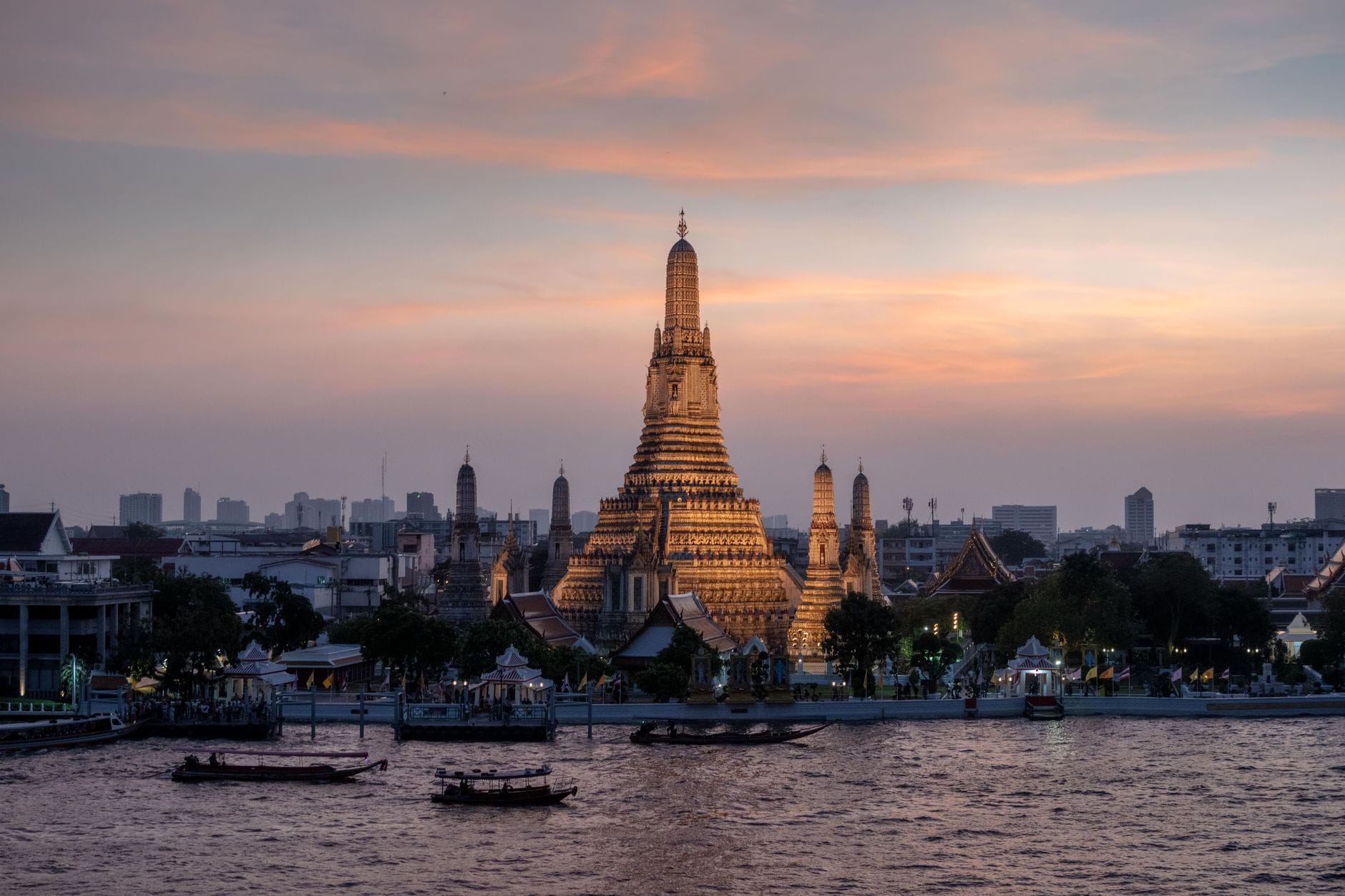
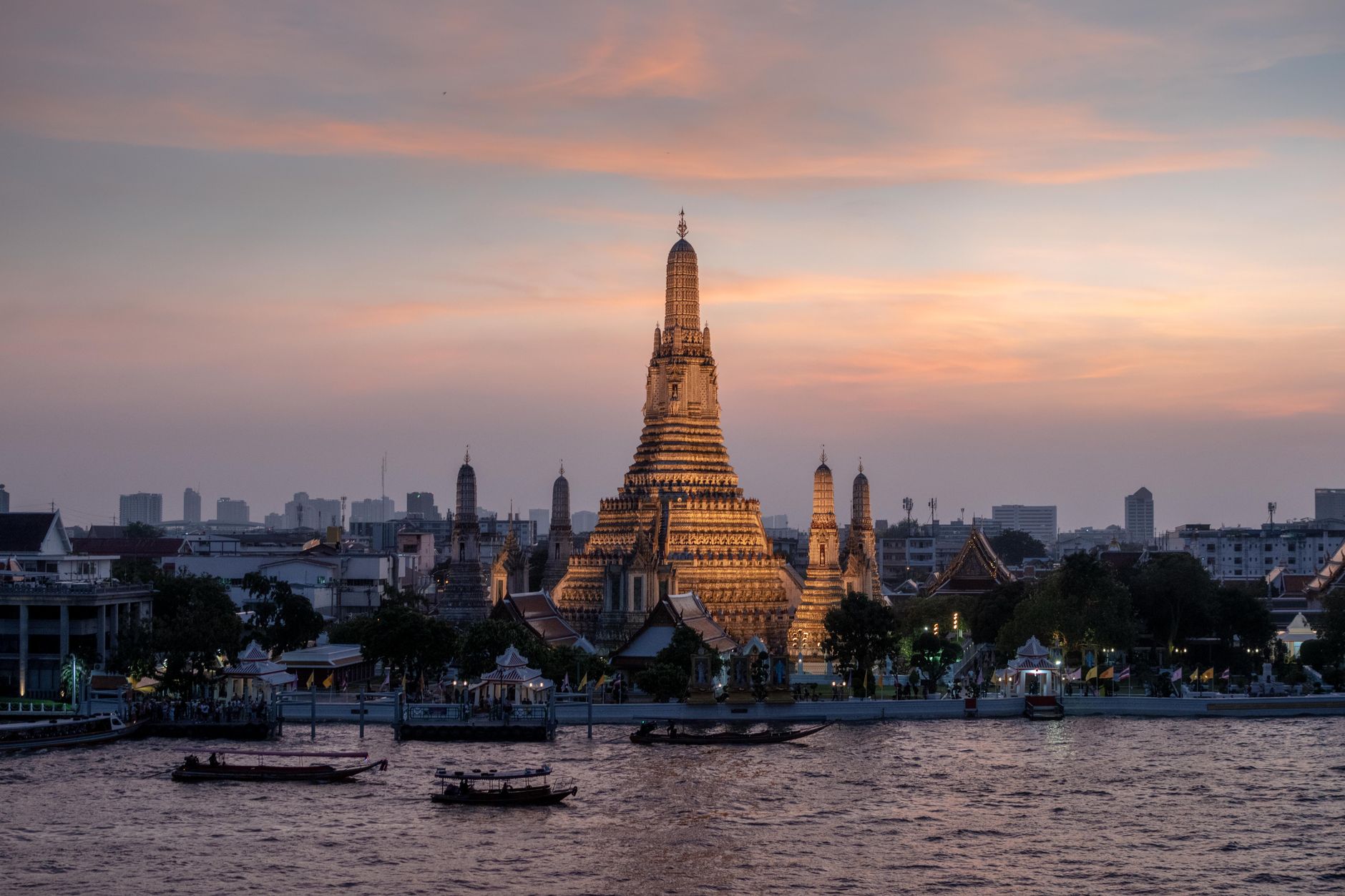
Cross the river via ferry (฿10/$0.30) to Wat Arun, the Temple of Dawn. Despite the name, late afternoon offers the best light for photography. The central prang's mosaic work rewards the steep climb.
Evening: Rooftop drinks. Lebua's Sky Bar (where The Hangover Part II filmed) is touristy but undeniably spectacular. Vertigo at Banyan Tree or Above Eleven offer comparable views with slightly less chaos.
Day 2 costs: ฿2,200-3,500 ($63-100)
Day 3 — Markets and Modern Bangkok
Weekend visitors get Chatuchak Market, a sprawling labyrinth of 15,000+ stalls selling everything from vintage denim to fighting fish. It's overwhelming by design. Go early, hydrate aggressively, and don't hesitate to use the BTS to escape when sensory overload hits.
Weekday travelers should hit Or Tor Kor Market—arguably Southeast Asia's best wet market—followed by ICONSIAM, the absurdly upscale mall with an indoor floating market that's surprisingly authentic.
Afternoon: Jim Thompson House offers a peaceful respite. The American silk merchant's traditional Thai compound explains both the country's silk industry and the mysterious circumstances of his 1967 disappearance in Malaysia.
Evening: Thonglor and Ekkamai. This is where Bangkok's creative class actually lives, not just where guidebooks tell you to go. Soul Food Mahanakorn delivers excellent Thai fusion. Rabbit Hole serves cocktails that justify their ฿400 ($11.50) price tags.
Day 3 costs: ฿2,000-3,200 ($57-92)
Day 4 — Ayutthaya or Deep Bangkok
Option A: Ayutthaya day trip. The former Siamese capital's ruins scattered between modern city blocks create a haunting, beautiful contrast. Take the train from Hua Lamphong (1.5 hours, ฿15-300/$0.45-8.50 depending on class) or join a tour including river cruise return. The Buddha head entwined in banyan roots at Wat Mahathat is worth the trip alone.
Option B: Stay in Bangkok for khlong (canal) touring through Thonburi's residential waterways. The longtail boat experience reveals a slower city hidden behind the skyscrapers. Follow with Lumphini Park at dawn to watch locals practicing tai chi.
Day 4 costs: ฿1,800-3,000 ($52-86)

Days 5-8: Chiang Mai — The Cultural Heart
Chiang Mai operates at roughly 60% of Bangkok's intensity. The air is cooler, the pace slower, the smiles more genuine. After Bangkok's sensory overload, your nervous system will thank you.
Getting There
Flights from Don Mueang cost ฿900-2,200 ($26-63) with AirAsia or Nok Air. Book early for the cheapest fares. The overnight train (13-15 hours, ฿900-1,500/$26-43 for second-class sleeper) remains a legitimate Thai travel experience if you have time.
Day 5 — Old City Immersion
Stay inside the Old City moat. Everything walkable, everything charming. The central temples—Wat Phra Singh, Wat Chedi Luang, Wat Phan Tao—offer a masterclass in Lanna architecture without the crowds of Bangkok's religious sites.
Lunch at SP Chicken, a hole-in-the-wall institution famous for Isaan-style BBQ chicken and som tam. Then book a massage at Lila Thai Massage, run by former female prison inmates as part of their rehabilitation. It's ฿250 ($7) for an hour of legitimate therapy, not the tourist-standard rub-and-tug.
Evening: If it's Saturday or Sunday, the Walking Street markets transform the Old City into a pedestrian paradise of handicrafts and street food. Otherwise, the Night Bazaar offers reliable (if tourist-priced) shopping.
Day 5 costs: ฿1,400-2,200 ($40-63)
Day 6 — Doi Suthep and Nimman
Early morning songthaew (shared red truck taxi) up Doi Suthep. The 309-step climb to the golden chedi rewards with panoramic valley views. Go before 9 AM for cooler temperatures and fewer tour buses.
Afternoon in Nimman, Chiang Mai's university district. This is where digital nomads cluster, for better and worse. Ristr8to serves legitimately world-class latte art. Akha Ama sources beans from hill tribe villages.
Evening: Northern Thai dinner at Huen Phen or Tong Tem Toh. The khao soi (curry noodles) here makes the Bangkok versions taste like imposters.
Day 6 costs: ฿1,400-2,000 ($40-57)
Day 7 — Ethical Elephants or Cooking Mastery
This is your splurge day, and it's worth every baht.
Option A — Elephant Nature Park: The gold standard for ethical elephant tourism. No riding, no shows, no bullhooks. Just rescued elephants living semi-wild in a sanctuary. Full day including transport and vegetarian lunch runs ฿2,500 ($72). Book weeks ahead—it sells out.
Option B — Cooking Class: Thai Farm Cooking School or Sammy's Organic Thai Cooking both offer full-day experiences including market tours and hands-on instruction. You'll never look at store-bought curry paste the same way. Cost: ฿900-1,500 ($26-43).
Day 7 costs: ฿2,200-3,500 ($63-100)
Day 8 — Doi Inthanon or Pai?
Doi Inthanon National Park delivers Thailand's highest peak (2,565 meters), twin pagodas built for the royal couple's 60th birthdays, and genuine hill tribe villages—not the tourist-show versions. Day tours run ฿1,400-1,800 ($40-52).
Pai requires an extra 2-3 days to justify the winding 3-hour journey. Skip it unless you're extending your trip. The Instagram-famous canyon and hot springs don't outweigh the travel time for a standard two-week itinerary.
Evening: Pack for the beach. Fly south tomorrow.
Day 8 costs: ฿1,400-2,200 ($40-63)
Days 9-13: Krabi and the Andaman Coast
You have beach decisions to make. Phuket offers infrastructure, variety, and crowds. Krabi delivers dramatic limestone scenery and relative tranquility. Koh Phi Phi provides party energy and stunning Maya Bay (though the day-trip crowds have gotten overwhelming).
This itinerary bases you in Krabi with a Phi Phi day trip—the best compromise for first-timers.
Getting There
Fly Chiang Mai to Krabi (CNX → KBV) for roughly ฿1,500-3,000 ($43-86). Some routes require Bangkok connections.
Day 9 — Ao Nang Arrival
Ao Nang serves as Krabi's main tourist hub. It's not beautiful—it exists to get you to the beautiful places. The beach is mediocre, but the longtail boat pier offers instant access to Railay, Phra Nang, and the surrounding islands.
Afternoon: Walk the beachfront, book your upcoming tours, and adjust to island pace. Dinner at Jungle Kitchen or May & Mark's for consistently excellent Thai food.
Day 9 costs: ฿2,000-3,000 ($57-86)
Day 10 — Railay Beach
The 15-minute longtail boat ride (฿100/$2.90 each way) delivers you to Railay, a peninsula accessible only by water, surrounded by cathedral-like limestone walls. It's technically on the mainland, but feels like an island.
West Railay has the better beach and sunset views. East Railay has the climbing shops, budget accommodation, and mangrove scenery. Phra Nang Beach, a short walk through a cave, features a fertility shrine that confuses many first-time visitors.
Rock climbers should book a half-day introductory course (฿1,500/$43). Non-climbers can sea kayak around the peninsula or simply alternate between swimming and reading.
Day 10 costs: ฿1,500-2,500 ($43-72)
Day 11 — Four Islands Tour
The standard Krabi day trip hits Chicken Island (named for obvious rock formations), Tup Island (sandbar connecting small islands at low tide), Poda Island, and Phra Nang Cave Beach. Longtail boat tours cost ฿400-600 ($11.50-17). Speedboat options run ฿1,200+ ($34).
Bring snorkel gear or rent it. The marine life isn't world-class, but it's perfectly pleasant for casual snorkeling. Pack sunscreen, water, and a book—there's significant downtime on the boat between stops.
Day 11 costs: ฿1,200-2,000 ($34-57)
Day 12 — Phi Phi Islands Day Trip
Maya Bay—made famous by The Beach—reopened in 2022 with strict visitor limits. The beach is stunning, though the day-trip experience involves fighting through hundreds of other tourists for the same photo.
The speedboat tour includes Monkey Beach, Viking Cave, and excellent snorkeling at Bamboo Island. Expect to pay ฿1,500-2,500 ($43-72) depending on boat size and inclusions.
Alternative: Skip the day trip and overnight on Phi Phi Don. The island transforms after 4 PM when the tour boats leave. But this requires cutting time elsewhere in your itinerary.
Day 12 costs: ฿1,500-2,500 ($43-72)
Day 13 — Rest and Recovery
By day 13, you've earned a do-nothing day. Sleep late, find a beachfront massage (฿300-400/$8.50-11.50 for an hour), eat fresh seafood, and watch the longtail boats drift across the horizon.
If restless, rent a scooter (฿200-300/$5.70-8.50/day) and explore Krabi Town. The night market there offers better prices and more authentic energy than Ao Nang's tourist-focused restaurants.
Day 13 costs: ฿1,500-2,500 ($43-72)
Day 14 — Departure
Fly Krabi to Bangkok (฿1,200-2,500/$34-72) for your international departure, or extend your beach time if your flight allows. Many travelers book the overnight Bangkok flight and enjoy one final beach morning.
Day 14 costs: ฿1,200-2,500 ($34-72)
Complete Budget Breakdown
| Category | Budget | Mid-Range | Luxury |
|---|---|---|---|
| Accommodation (13 nights) | ฿6,500 ($186) | ฿19,500 ($557) | ฿45,000+ ($1,285) |
| Domestic flights/trains | ฿3,500 ($100) | ฿6,500 ($186) | ฿10,000 ($285) |
| Food | ฿4,500 ($129) | ฿9,000 ($257) | ฿18,000 ($514) |
| Activities | ฿3,000 ($86) | ฿8,000 ($229) | ฿15,000 ($429) |
| Local transport | ฿1,500 ($43) | ฿3,000 ($86) | ฿6,000 ($171) |
| TOTAL (per person) | ฿19,000 ($544) | ฿46,000 ($1,315) | ฿94,000+ ($2,685) |
Essential Practical Tips
Cash is king. Thailand runs on physical currency. Street food, tuk-tuks, small shops, and many budget guesthouses are cash-only. 7-Elevens and chain restaurants take cards. Carry smaller denominations—breaking ฿1,000 notes at street stalls creates awkward moments.
ATM strategy matters. Thai ATMs charge ฿220 ($6.30) per foreign card withdrawal, plus your bank's fees. Withdraw large amounts to minimize the per-transaction hit. Charles Schwab and Fidelity reimburse ATM fees worldwide.
Dress for temples. Covered shoulders and knees are non-negotiable at religious sites. Carry a lightweight sarong or scarf for impromptu temple visits. Some major temples rent appropriate clothing, but it's easier to pack your own.
Negotiate tuk-tuks, not food. Tuk-tuk and songthaew prices are always negotiable. Start at 50% of the quoted price and meet somewhere reasonable. Food prices at street stalls and markets are fixed—don't insult vendors by haggling over ฿20.
Download Grab. Southeast Asia's Uber equivalent offers transparent pricing, eliminates language barriers with drivers, and works reliably in Bangkok and Chiang Mai. Less useful in smaller beach towns where tuk-tuks dominate.
Respect the monarchy. Lèse-majesté laws are strict and enforced. Don't discuss Thai politics casually, and absolutely never insult the royal family. Standing for the national anthem before movies is mandatory.
Travel insurance is essential. Motorbike accidents are depressingly common among tourists. Most standard policies exclude scooter accidents without a Thai license. Read the fine print or accept that you're riding uninsured.
Thailand rewards the prepared and the flexible in equal measure. Book your elephant sanctuary and cooking classes ahead. Leave room for the unexpected temple festival, the random invitation to join a local birthday celebration, the beach that becomes your favorite despite never appearing in guidebooks.
Two weeks here changes something. Maybe it's your tolerance for spice, your definition of "reasonable" accommodation, or your understanding of what a smile can mean. You'll return home different—slightly sweatier, significantly more relaxed, and already calculating when you can go back.
Sources
- ThaiDestinations.com — Thailand 2-Week Itinerary 2026
- Go2-Thailand.com — Ultimate Thailand Itinerary 2026
- The Petite Wanderer — 2 Weeks In Thailand: The Ultimate Itinerary