
First Time in Costa Rica? Here's the Perfect 2-Week Itinerary for 2026 (With Real Costs)
First time in Costa Rica? This 2-week itinerary covers Arenal volcano, Monteverde cloud forests, and Manuel Antonio's beaches with real 2026 costs. Budget $1,280-4,930 per person plus flights.
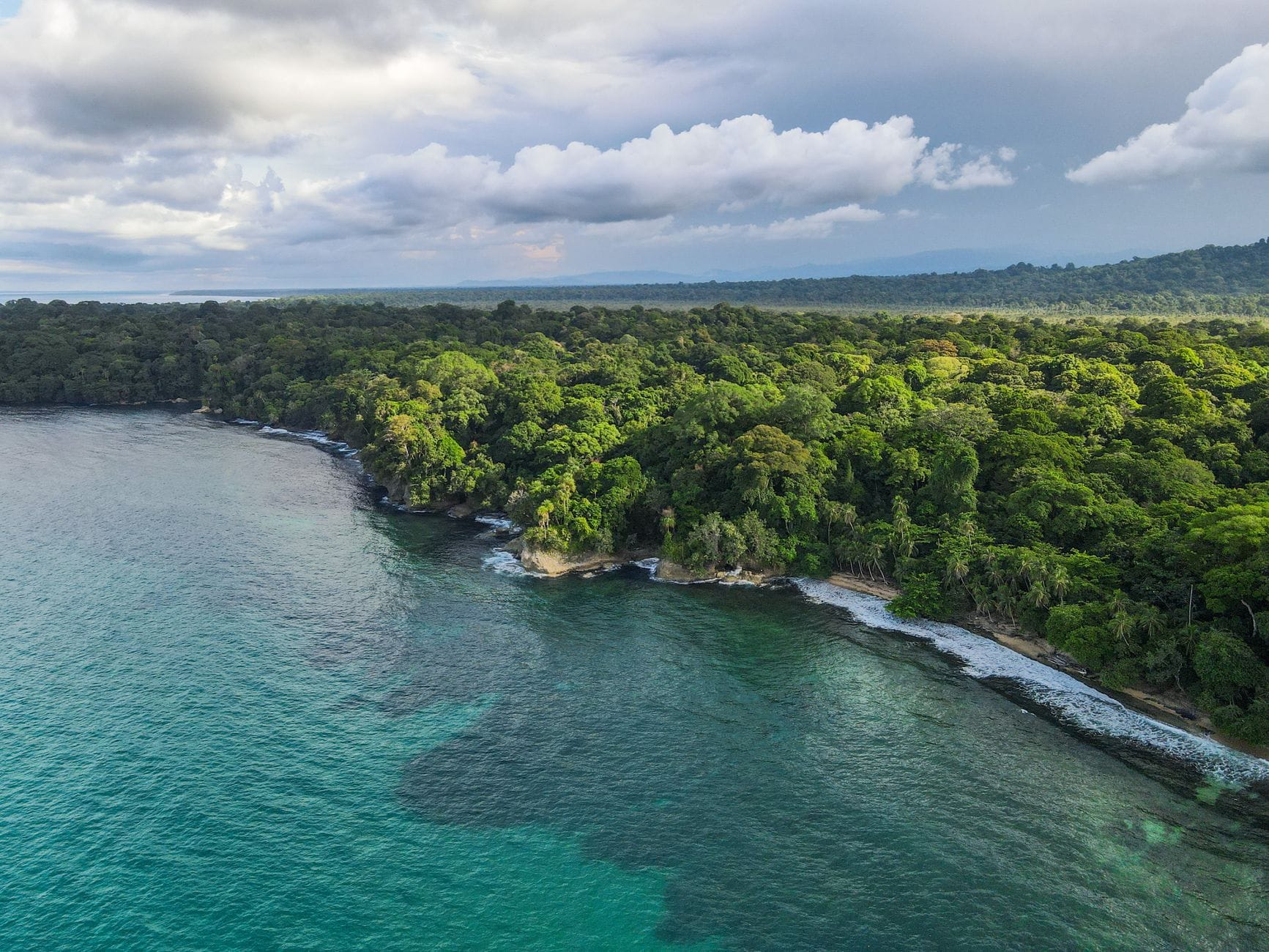
Reddit keeps asking: "First time in Costa Rica — 2 weeks — help me plan this!" I see this question pop up weekly on r/travel and r/backpacking, and for good reason. Costa Rica sits at that sweet spot of accessible adventure — developed enough for nervous first-timers, wild enough to feel like you've actually gone somewhere.
But the country also suffers from a reputation problem. Travel forums are filled with warnings about inflated prices, tourist traps, and itineraries that try to cram in too much. The truth is more nuanced. Costa Rica rewards travelers who understand the rhythm of the place, who stay long enough in each region to let the wildlife come to them, and who time their visit correctly.
This guide gives you a realistic 14-day route that hits the essential ecosystems — rainforest, cloud forest, and coastline — without the mad dash that ruins so many first-time trips. These are real 2026 costs based on current rates, not outdated guidebook figures.
The Strategy: Why This Route Works
Most first-timers make the same mistake. They try to see everything — Caribbean and Pacific coasts, Arenal and Monteverde and Manuel Antonio and Corcovado — and spend their entire trip in transit. Costa Rica's geography is deceptive. The distances look short on a map, but mountain roads and river crossings turn a 100-mile journey into a half-day affair.
This itinerary focuses on three anchor destinations, each representing a distinct ecosystem. You'll spend four nights in each place, which sounds like a lot until you realize that the sloth you've been tracking for an hour doesn't care about your schedule. Wildlife viewing in Costa Rica requires patience. The animals are there — the country has 5% of the world's biodiversity in 0.03% of its landmass — but you need to slow down to see them.
The route starts in the lowland rainforest around Arenal Volcano, moves up to the cloud forests of Monteverde, then drops down to the Pacific coast at Manuel Antonio. It's a classic circuit for a reason. Each location is 3–4 hours from the next, manageable even on winding mountain roads, and the elevation changes mean you'll experience three distinct climates and wildlife communities.
Days 1–4: La Fortuna and Arenal Volcano
Why Start Here
Arenal makes the perfect introduction. The town of La Fortuna sits in the shadow of a near-perfect volcanic cone, and the developed tourism infrastructure means you can ease into Costa Rica without the culture shock that hits some first-timers landing straight in San José. There's also immediate payoff — sloths in the town center, hot springs within walking distance of most hotels, and the volcano itself looming over every view.
Where to Stay
Budget: Arenal Backpackers Resort runs $18–25/night for dorms, $45–60 for private rooms. It has a pool, volcano views, and organizes group activities.
Mid-range: Hotel Lavas Tacotal offers clean rooms with AC and hot water for $75–120/night depending on season. It's a 10-minute walk from town but feels tucked into the forest.
Splurge: Nayara Gardens sits at the top end of the market at $350–500/night, but the private plunge pools and direct volcano views justify the splurge for a special occasion.
What to Do
Day 2: Hike Arenal Volcano National Park ($15 entry). The 1968 lava flow trail gives you a moonscape of black rock with the volcano rising behind. The park's trails aren't strenuous — figure 2–3 hours — but bring water. The afternoon heat in the lowlands sneaks up on you.
Day 3: Visit one of the hot springs. Tabacón ($85 day pass) is the famous one, all manicured gardens and swim-up bars. For a more natural experience, head to the free El Chollín hot springs along the river, or pay $25 for the rustic-but-authentic Titokú. The difference isn't just price — Tabacón feels like a resort, Titokú feels like you've discovered something.
Wildlife spotting: The Bogarín Trail ($18 guided) is a 2-kilometer loop right outside town where you're virtually guaranteed to see sloths, poison dart frogs, and tree frogs. Go with a guide — they spot things you'd walk right past.
Real Costs (La Fortuna, 4 nights)
- Accommodation: $180–400
- Food: $80–160
- Activities: $120–200
- Transport from San José: $25–50
- Subtotal: $405–810
Days 5–8: Monteverde Cloud Forest
The Journey There
The road from Arenal to Monteverde is part of the experience. It's 3.5 hours of winding mountain roads, and the last stretch is unpaved, slow, and occasionally white-knuckle. The payoff comes when you crest the ridge and enter a different world — cooler, mistier, the trees draped in epiphytes that thrive in the near-constant moisture.
At 1,400 meters elevation, Monteverde sits in the cloud forest zone, where warm Caribbean air meets cooler Pacific winds and creates a perpetual mist. The ecosystem here is completely different from Arenal. Where the lowlands are loud with insects and broad-leafed plants, the cloud forest is quieter, mossier, more mysterious.
Where to Stay
Budget: Pension Santa Elena offers basic but clean rooms for $35–50/night. It's in town, walking distance to restaurants.
Mid-range: Hotel Finca Valverde runs $90–140/night and sits on a working farm with trails and wildlife. The owners are naturalists who've lived here for decades.
Splurge: Hotel Belmar at $200–350/night is the iconic choice — carbon-neutral, locally owned, with floor-to-ceiling windows overlooking the forest canopy.
What to Do
Day 6: Monteverde Cloud Forest Reserve ($25 entry, $25 for optional guide). This is the headline act — 10,500 hectares of protected forest that feels genuinely primeval. The reserve's trails are well-maintained but can be muddy; waterproof hiking boots are essential here. The Resplendent Quetzal, one of the world's most beautiful birds, lives here. Your chances of spotting one are decent between November and July.
Day 7: Ziplining at Selvatura or Extremo ($60–75). Monteverde pioneered the zipline, and the courses here are still among the best in the world. Extremo's "Superman" line has you flying face-down over the canopy for a kilometer. The Tarzan swing at the end is optional — emphasis on optional.
Santa Elena Reserve ($18 entry): Less crowded than the main reserve, with equally good wildlife and better chances of solitude on the trails. The viewpoint at the top offers clear-day views to the Pacific.
Real Costs (Monteverde, 4 nights)
- Accommodation: $140–560
- Food: $80–160
- Activities: $100–180
- Transport from Arenal: $25–50
- Subtotal: $345–950
Days 9–13: Manuel Antonio
Why End on the Coast
After a week of rainforests and cloud forests, you deserve a beach. Manuel Antonio delivers that without sacrificing the wildlife. It's the smallest national park in Costa Rica — just 16 square kilometers — but one of the most biodiverse. Capuchin monkeys will steal your lunch if you turn your back. Sloths nap in the trees above the beach. Iguanas sun themselves on the trails.
The town of Quepos is the budget hub, about 7 kilometers from the park entrance. The road between them is lined with hotels at every price point, climbing the hillside for better views.
Where to Stay
Budget: Hostel Pura Vida in Quepos runs $15–22/night for dorms, $40–55 for privates. It's social, clean, and organizes trips to the park.
Mid-range: Hotel San Bada sits right at the park entrance ($100–160/night). You can walk to the beach in 10 minutes. The pool has a swim-up bar and sloth-viewing potential.
Splurge: Makanda by the Sea ($350–600/night) is adults-only, perched on a hillside with infinity pools and villas that justify the splurge for your final nights.
What to Do
Day 10: Manuel Antonio National Park ($18 entry, closed Mondays). Arrive early — the park limits daily visitors and often hits capacity by 8:30 AM. The main trail is an easy 2-kilometer walk to the beaches, but hire a guide ($25–40) for the wildlife. They'll point out the sloth that's been staring at you for five minutes that you somehow missed.
The park has three beaches. Playa Manuel Antonio is the busiest. Playa Espadilla Sur is quieter and better for swimming. Playa Escondida requires a short scramble but rewards you with near-solitude.
Day 11: Catamaran sunset cruise ($80–95). These tours leave from Quepos marina, include snorkeling, food, and open bar, and almost always spot dolphins. The sunset behind the Pacific is the postcard moment your trip needs.
Day 12: Playa Biesanz, outside the park. This local beach requires a 15-minute hike through the forest but offers calm swimming and far fewer tourists. It's free, and there's a good chance you'll have it largely to yourself on a weekday.
Real Costs (Manuel Antonio, 5 nights)
- Accommodation: $200–750
- Food: $100–200
- Activities: $150–280
- Transport from Monteverde: $40–70
- Subtotal: $490–1,300
Day 14: Return to San José
The drive back to San José takes 2.5–3 hours. If your flight is in the afternoon, you can leave Manuel Antonio in the morning. If you have an early flight, spend your final night in San José near the airport (Hotel Aeropuerto, $80–120) rather than risk the morning traffic.
Total Trip Costs (Per Person)
| Category | Budget | Mid-Range | Comfort |
|---|---|---|---|
| Accommodation (13 nights) | $520 | $1,300 | $2,800 |
| Food | $260 | $520 | $780 |
| Activities | $370 | $660 | $1,000 |
| Transport | $130 | $220 | $350 |
| Total (excl. flights) | $1,280 | $2,700 | $4,930 |
Add $400–900 for round-trip flights from North America depending on season and departure city. European travelers should budget $600–1,200.
Money-Saving Strategies That Actually Work
Timing Is Everything
The green season (May through November) cuts accommodation costs by 30–50%. October prices hit rock bottom. The trade-off is rain — but in Monteverde, you're getting wet anyway. Afternoon thunderstorms are predictable and rarely last all day. The July "veranillo" (little summer) offers a dry window with off-season prices.
Eat at Sodas
These family-run restaurants serve casados — a plate of rice, beans, plantains, salad, and your choice of protein — for $5–8. The food is honest, filling, and the real taste of Costa Rica. Tourist restaurants charge $15–25 for similar meals.
Skip the Rental Car (Maybe)
Shuttle services like Interbus and Grayline connect all three destinations for $40–60 per route. If you're traveling solo, this is cheaper than renting. For pairs or groups, a rental car ($45–65/day plus fuel) gives more flexibility. The roads are mostly paved now, but you'll want a 4×4 for Monteverde and any beach driving.
Book Direct
Many Costa Rican hotels offer 10–15% discounts for direct bookings. Email the property or call them. It also builds goodwill — useful when you need a late checkout or help with transport.
What to Pack
Costa Rica's climate ranges from humid lowlands to cool mountains. Layers are essential.
- Waterproof hiking boots: Trail conditions vary from muddy to very muddy.
- Quick-dry clothing: Cotton stays wet forever in the humidity.
- Rain jacket: Even in dry season, afternoon showers happen.
- Binoculars: Wildlife is often high in the canopy.
- Reusable water bottle: Tap water is safe in most tourist areas. Save plastic and money.
- Sunscreen: The sun near the equator hits different. SPF 30 minimum.
- Insect repellent: DEET-based. Mosquitoes are manageable but present.
The Honest Truth About Costa Rica
Costa Rica isn't the cheapest Central American destination. Guatemala and Nicaragua offer similar ecosystems for half the price. What Costa Rica delivers is reliability — safe drinking water, established tourism infrastructure, and a genuine conservation ethic that sets it apart from neighbors still struggling with deforestation.
The country has also become genuinely expensive in tourist hotspots. That $2 casado still exists in rural towns, but you'll pay California prices in Monteverde and Manuel Antonio. The key is choosing where to splurge and where to save. Pay for the guided wildlife walks — the naturalists are worth every dollar. Save by eating local and staying in simpler accommodations.
The real magic of Costa Rica isn't in any single activity. It's in the moments between — the howler monkeys waking you at dawn, the hummingbird hovering at breakfast, the realization that you've stopped checking your phone because the forest is more interesting. That takes time. Don't rush it.
Pura vida.
Sources
- Silicon Valley Times — Costa Rica Budget Travel Guide 2026
- Costa Rica Board — 2-Week Itinerary Classic 2026