
First Time in Greece? Here's the Perfect 2-Week Itinerary for 2026 (With Real Costs)
Planning your first trip to Greece? This complete 2-week itinerary covers Athens, Santorini, and Crete with real 2026 costs, ferry booking tips, and honest advice on what to skip.
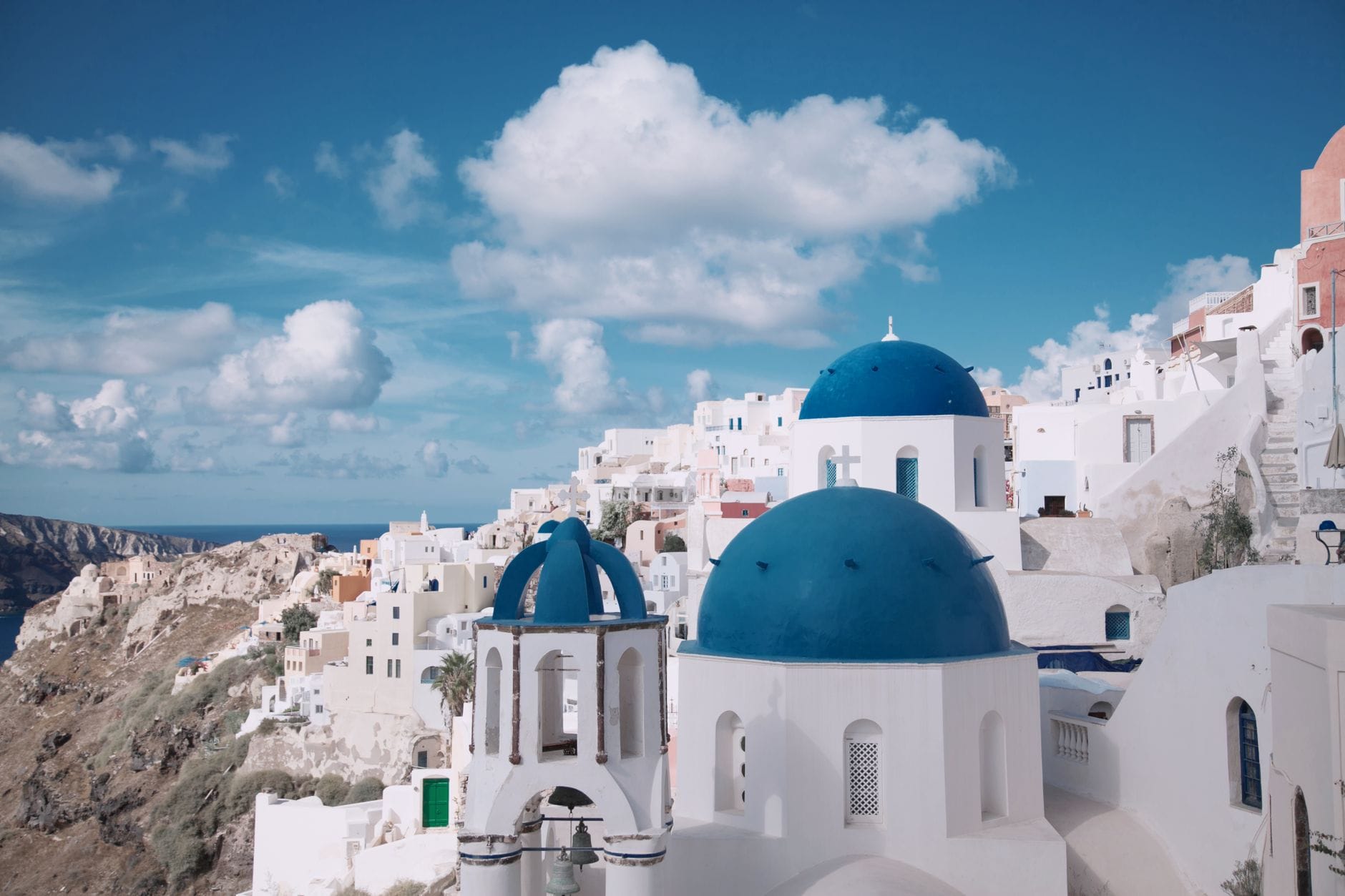
Greece is that rare destination that somehow exceeds every expectation. You have seen the photos—the sugar-cube buildings tumbling down Santorini cliffs, the Parthenon glowing at sunset, those impossibly turquoise Aegean waters—but standing there yourself hits different. The light really is that golden. The feta really does taste better. And yes, the islands are every bit as magical as Pinterest promised.
But here is the thing first-timers learn quickly: Greece is not one destination. It is hundreds of islands spread across six distinct island groups, each with its own personality. The mainland holds ancient ruins that shaped Western civilization. The food scene in Athens rivals any European capital. And the ferry system? It is simultaneously charming and maddening.
I have fielded dozens of Reddit threads asking for Greece advice. The same questions keep surfacing: Which islands should I actually visit? Is Santorini worth the hype? How do I get around? What will this actually cost me? This guide answers all of it with specific numbers, real logistics, and the hard-won lessons from countless trips.
Why This Itinerary Works
Most first-timers try to cram too many islands into two weeks. They end up spending their vacation in ferry terminals, rushing through genuinely special places just to check another island off the list. This itinerary takes the opposite approach: three strategic bases with enough time to actually settle in.
We are hitting the essential trinity—Athens for history and urban energy, Santorini for those iconic views, and Crete for beaches and authentic village life. Skip Mykonos unless clubbing is your priority; the party scene drives up prices without delivering uniquely Greek experiences.
The Complete 2-Week Breakdown
Days 1-3: Athens — The Cradle of Everything
Fly into Athens International Airport (ATH). Most flights from the US arrive early morning, which works perfectly—you can drop bags at your hotel and hit the ground running.
Where to stay: Plaka or Koukaki neighborhoods. Plaka puts you steps from the Acropolis but costs more. Koukaki offers better value with excellent metro connections. Budget travelers should check Fresh Hotel or Athens Backpackers. Mid-range favorites include Herodion Hotel or Ava Hotel. For splurge-worthy views, book the Grande Bretagne.
Day 1: Acropolis and Acropolis Museum. Go early—gates open at 8 AM. By 10 AM the crowds and heat become oppressive. The museum deserves two hours minimum; the glass floor revealing ancient ruins below is worth the admission alone. Walk the pedestrian promenade from Monastiraki to Thissio at sunset. Grab dinner at Thanasis for souvlaki or Maiandros for home-style Greek cooking.
Day 2: Ancient Agora, Temple of Hephaestus, then the National Archaeological Museum. This museum houses the single greatest collection of Greek antiquities anywhere—do not skip it. Evening in Psiri for craft cocktails and live rembetika music at Kavouras.
Day 3: Day trip to Delphi or Sounion. Delphi requires a 2.5-hour drive but delivers the most spectacular ancient site in Greece. The Temple of Poseidon at Sounion is closer and offers those famous sunset views. Both work as organized tours or rental car adventures.
Days 4-7: Santorini — Instagram vs. Reality
Ferry from Piraeus (Athens' port) takes 5-8 hours depending on the vessel. Book Blue Star Ferries or Hellenic Seaways in advance—high season sells out. Alternatively, Olympic Air and Aegean Airlines offer 45-minute flights for €80-150.
Let us address the Santorini paradox. Yes, it is crowded and expensive. Yes, the cruise ship crowds in Oia can feel overwhelming. But those caldera views at sunset? They earned their reputation honestly. The trick is timing and location.
Where to stay: Skip Oia unless money is no object. Fira offers better value with caldera access. Imerovigli provides the same views with more tranquility. Budget travelers should look at Perissa or Kamari beach towns—you trade caldera views for reasonable prices and black sand beaches.
Day 4: Arrival and sunset scouting. Walk the Fira-to-Oia trail (10 km, 3-4 hours) for the most spectacular caldera views. It is mostly flat and well-marked. Dinner at Metaxi Mas in Exo Gonia—locals' favorite for Cretan-influenced dishes.
Day 5: Ancient Akrotiri and Red Beach. The Minoan ruins at Akrotiri are Greece's Pompeii, preserved under volcanic ash for 3,600 years. Red Beach offers dramatic cliffs and crimson sand—unique but crowded. Evening wine tasting at Venetsanos Winery or Santo Wines.
Day 6: Boat tour of the caldera. Full-day catamaran cruises include hot springs, White Beach, and Thirassia island with BBQ lunch. Book with Santorini Yachting Club or Sunset Oia. This is your swimming day—the caldera waters are impossibly clear.
Day 7: Pyrgos village and lazy morning. This former capital offers maze-like streets without Oia's crowds. Afternoon ferry to Crete (2.5 hours to Heraklion) or evening flight.
Days 8-14: Crete — The Real Greece
Crete is the largest Greek island and arguably the most rewarding for travelers who want more than beaches. You have Minoan palaces, mountain villages where time stopped, and the best food in Greece. Seriously—the diet research started here for good reason.
Base strategy: Split your week between Chania (west) and Heraklion/Rethymno (central). The western half offers better beaches and the famous Samaria Gorge. The eastern side holds Knossos and more archaeological sites.
Days 8-10: Chania region. The Venetian harbor in Chania town is picture-perfect. Stay in the Old Town or nearby Agii Apostoli beach. Day trip to Balos Lagoon—yes, it looks exactly like the photos. Elafonissi Beach offers pink sand and shallow turquoise waters. Both require rental car or organized tours.
Days 11-12: Rethymno and inland villages. This university town blends Venetian and Ottoman architecture without Chania's cruise ship crowds. Drive to Anogeia or Axos for mountain villages where shepherds still wear traditional dress. The Antonios taverna in Axos serves the best lamb you will taste in Greece.
Days 13-14: Heraklion and Knossos. The Palace of Knossos is Crete's headline act—3,500-year-old ruins that launched the Minoan civilization. Go early with a guide; the site is large and context matters. Heraklion's Archaeological Museum rivals Athens' for Minoan treasures. Last dinner at Peskesi for Cretan farm-to-table excellence.
Real Costs for 2026
Greece offers tremendous range—you can backpack on €60/day or splurge at €400/day. Here is the honest breakdown for a comfortable mid-range trip:
Accommodation (per night)
- Budget hostel/dorm: €25-40
- Mid-range hotel/B&B: €80-150
- Boutique/luxury: €200-500+
Food & Drink
- Gyro/souvlaki lunch: €3-5
- Taverna dinner (no wine): €15-25
- Nice dinner with wine: €40-70
- Coffee: €2-4
- Beer at bar: €5-8
Transportation
- Athens metro single ride: €1.20
- Athens taxi (airport to center): €40-50
- Ferry Athens-Santorini: €40-70
- Ferry Santorini-Crete: €35-60
- Inter-island flights: €80-150
- Rental car per day: €35-60
Attractions
- Acropolis: €20
- Acropolis Museum: €10
- Ancient sites combo ticket: €30
- Santorini caldera cruise: €80-150
- Knossos: €15
Total 2-Week Budget (per person)
- Budget: €1,400-1,800 ($1,550-2,000 USD)
- Mid-range: €2,800-4,000 ($3,100-4,400 USD)
- Comfortable/luxury: €5,500+ ($6,000+ USD)
Critical Logistics
Ferry Bookings
Use Ferryhopper or Direct Ferries to book in advance, especially for July-August. Blue Star and Hellenic Seaways are the main operators. Ferries run less frequently in shoulder season (April-May, September-October), so check schedules carefully.
Island Hopping Reality
Each island hop burns half a day minimum. Ferries rarely leave on time. Pack snacks—ferry cafes charge triple. If you get seasick, book the larger ferries (Blue Star) rather than high-speed catamarans.
Rental Cars
Essential for Crete, unnecessary for Santorini and Athens. Book automatic transmission in advance—they are limited and expensive. Greek drivers are aggressive but predictable; just go with the flow.
Best Time to Visit
June and September offer the sweet spot—warm seas, open businesses, manageable crowds. July-August is oppressively hot and expensive. April-May can be unpredictable weather-wise but rewards with wildflowers and empty sites. October is lovely if you stick to southern islands.
What to Skip (And Why)
Mykonos — Unless you are here to party at beach clubs until 6 AM, the €15 cocktails and €300 hotel rooms deliver poor value. The windmills are pretty for an afternoon.
Day-tripping to multiple islands — The "see five islands in five days" approach guarantees exhaustion and shallow experiences. Pick two or three and settle in.
Overpriced caldera restaurants in Oia — You are paying for the view, not the food. Eat in Pyrgos, Megalochori, or Fira instead.
The Food You Cannot Miss
Greek cuisine goes far beyond moussaka and Greek salad. Seek these out:
- Dakos: Cretan barley rusk topped with tomatoes, mizithra cheese, olive oil
- Kalitsounia: Crete's small cheese or herb pies—every village has its version
- Grilled octopus: The test of a good taverna. Should be tender, not rubbery.
- Bougatsa: Custard or cheese-filled pastry, best eaten warm for breakfast
- Fresh fish by the kilo: Choose your fish at the taverna display. Pay by weight.
Drink raki in Crete, ouzo everywhere else. Both pair dangerously well with sunsets.
Solo Traveler Notes
Greece is remarkably solo-friendly. Athens has a robust hostel scene. Ferries make meeting people inevitable—you will bond over shared seasickness. Solo dining is completely normal; grab a seat at the bar and chat with staff. Exercise standard precautions in Athens after midnight, but Greece is generally safer than most European capitals.
The Bottom Line
Greece rewards the prepared traveler. Book ferries early, pack light for cobblestone streets, and build in buffer days. The country runs on "siga siga" (slowly, slowly) time—embrace it. Rush through Greece and you will miss what makes it magical: the old man feeding cats in the harbor, the unexpected invitation to join a family feast, that perfect swim when the ferry schedule finally works in your favor.
Your first Greek trip will not be your last. The islands have a way of calling you back.