
First Time in Italy — 2 Weeks — Rome, Florence, Venice, Amalfi? Help Me Plan This
A complete, realistic 2-week Italy itinerary for first-timers covering Rome, Florence, Venice, and the Amalfi Coast with real 2026 costs and logistics.
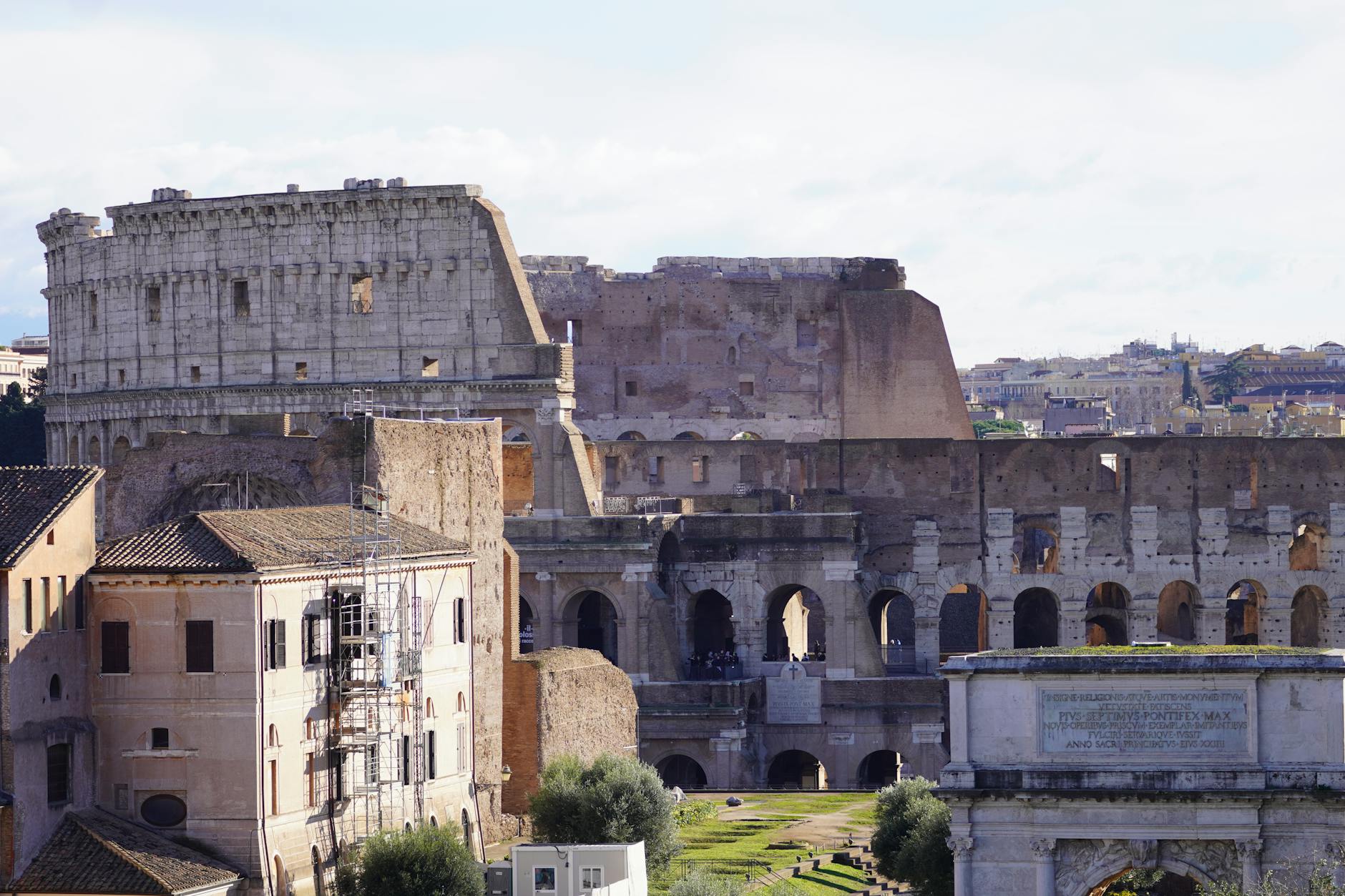
You have finally decided to take that dream trip to Italy. Two weeks, four iconic cities, and enough pasta to last a lifetime. The only problem? You have no idea where to start.
This is the most common post I see on r/travel and r/solotravel. Someone finally books those tickets, then realizes Italy is not just one destination—it is a country with wildly different regions, transportation quirks, and enough UNESCO sites to fill a year. Rome alone could eat your entire vacation if you let it.
Having helped dozens of travelers plan their first Italy trip, I can tell you this: the difference between a good Italy itinerary and a chaotic one comes down to logistics. Not just what you see, but the order you see it in, how you move between cities, and knowing when to book ahead versus when to wing it.
This guide breaks down a practical, realistic two-week route that hits Italy's big three—Rome, Florence, and Venice—plus the Amalfi Coast and a few curveballs that make the trip memorable. Real costs, actual train times, and the booking windows that matter.

The Perfect Two-Week Italy Itinerary: An Overview
Here is the route I recommend for first-timers, optimized for minimal backtracking and maximum experience:
- Days 1-4: Rome (arrival, ancient history, Vatican)
- Days 5-7: Naples base for Pompeii and Amalfi Coast
- Day 8: Travel day to Florence (via high-speed train)
- Days 9-11: Florence (Renaissance art, day trip to Tuscany)
- Days 12-14: Venice (canals, islands, departure)
Why this order? Rome is chaotic and overwhelming. Starting there gets you acclimated to Italian city energy immediately. Venice is mellow and walkable. Ending there lets you decompress before flying home. Plus, Venice Marco Polo Airport is smaller and easier to navigate than Rome's Fiumicino for departure.
Some itineraries suggest starting in Venice and ending in Rome. That works too, but you will spend more on the airport transfer from Venice (water taxi plus bus) and you will tackle Italy's most hectic city while already travel-fatigued. Trust me: save Venice for dessert.
When to Go: Timing Your Italy Trip
The best time to visit Italy is April through May or September through October. These shoulder seasons give you pleasant weather without the crushing crowds of July and August. In Rome, summer temperatures regularly hit 95°F (35°C), and the lines at the Colosseum become genuinely dangerous for heat exhaustion.
That said, Italy is a year-round destination with caveats:
Spring (April-May): Ideal weather, blooming landscapes, but Easter week in Rome is absolute madness. The Vatican draws millions for Holy Week ceremonies. If you must travel then, book Vatican tickets months ahead.
Summer (June-August): Hot, crowded, expensive. The Amalfi Coast and Cinque Terre are packed shoulder-to-shoulder. If this is your only window, embrace the chaos and book everything in advance.
Fall (September-October): My favorite time. Warm enough to swim in the south, harvest season in Tuscany, fewer tourists. October is especially magical in Florence and Venice.
Winter (November-March): Cheaper and crowd-free, but some coastal areas like Cinque Terre and parts of the Amalfi Coast essentially shut down. Hotels close, ferry schedules shrink, and rain can cause flooding in Venice (acqua alta).

Rome: Where the Ancient World Meets Chaos (Days 1-4)
Four days in Rome sounds like a lot until you realize the city contains the Colosseum, Roman Forum, Palatine Hill, Vatican City, the Pantheon, Trevi Fountain, Spanish Steps, Trastevere neighborhood, and roughly 900 churches worth visiting.
Day 1: Arrive and get settled. Jet lag is real, so keep it light. Walk to the Trevi Fountain and Spanish Steps in the evening when the crowds thin and the lighting is magical. Grab dinner in the Monti neighborhood—less touristy than the historic center, great restaurants on Via Urbana.
Day 2: Ancient Rome day. Colosseum, Roman Forum, and Palatine Hill are connected sites with a single ticket. Book the 8:30 AM entry slot for the Colosseum. This gets you inside before the tour buses arrive. You will want 3-4 hours total for all three sites. Afternoon: Pantheon (free entry, 20-minute wait typically) and Piazza Navona for people-watching.
Day 3: Vatican day. This requires serious planning. The Vatican Museums and Sistine Chapel require advance tickets—weeks ahead in peak season, days ahead in shoulder season. The basic entry ticket costs €17 online. Book a Friday or Saturday evening visit if possible; the museums are open until 11 PM and the crowds disappear after 7 PM.
St. Peter's Basilica is free but has airport-style security lines. Climbing the dome costs €10 for the elevator plus stairs, or €8 for all stairs (551 steps). The view is worth every step.
Day 4: Trastevere and departure prep. This bohemian neighborhood across the Tiber feels completely different from central Rome. Cobblestone streets, ivy-covered buildings, authentic trattorias. Perfect for a leisurely final morning before heading to Naples.
Rome logistics: Stay near Termini Station if you want convenience (direct train to the airport, metro hub). Stay in Monti or Trastevere for atmosphere but expect to walk more or use taxis. The metro is limited—only two lines—so Rome is fundamentally a walking city.
Budget: €120-180 per day including accommodation, food, and one paid attraction.
Naples, Pompeii, and the Amalfi Coast (Days 5-7)
Here is where most first-timer itineraries mess up. They try to stay on the Amalfi Coast itself, which sounds romantic but becomes a logistics nightmare. The coastal towns are expensive, hard to reach with luggage, and the narrow roads mean you are trapped unless you want to navigate the SITA bus system (which is an adventure in itself).
Instead, base yourself in Naples for three nights. Stay in the Chiaia or Vomero neighborhoods for safety and charm. Naples gets a bad rap for petty crime, but the historic center is vibrant and the food scene rivals any city in Italy.
Day 5: Pompeii day trip. Take the Circumvesuviana train from Naples (35 minutes, €3.30 each way). Pompeii requires a full day—expect to walk 5+ miles on uneven stone. The site is enormous. Focus on the Forum, the Villa of the Mysteries, and the plaster casts. Entry is €19. Audio guides are €8 and worth it; human guides outside the entrance charge €150+ for a 2-hour tour.
Day 6: Amalfi Coast day trip. Take the ferry from Naples to Positano (€25-35 each way, seasonal). This avoids the nausea-inducing bus ride on winding coastal roads. Positano is stunning but expensive. Have lunch at a waterfront restaurant, walk the steep streets, then ferry to Amalfi town for the cathedral. Return to Naples by evening.
Day 7: Naples exploration before departure. The National Archaeological Museum houses the best artifacts from Pompeii. Entry is €12. Then pizza—L'Antica Pizzeria da Michele is the famous one (Naples' oldest, from 1870), but Sorbillo on Via dei Tribunali is excellent with shorter waits. Dinner is pizza in Naples. That is non-negotiable.
Evening train to Florence (2 hours on Trenitalia Frecciarossa, €45-65).
Budget: €100-140 per day in Naples. The Amalfi Coast itself would cost double.
Florence: The Renaissance in Three Days (Days 8-11)
Florence is small. You can walk across the historic center in 20 minutes. This compactness makes it perfect for a deep dive rather than a surface-level tour.
Day 8: Arrival and evening passeggiata. Check into your hotel, then walk across the Ponte Vecchio at sunset. This medieval bridge lined with jewelry shops is Florence's postcard moment. The crowds are intense during the day but manageable at dusk. Dinner in Santo Spirito, the Oltrarno neighborhood's main square, where locals actually eat.
Day 9: The Duomo and Uffizi. Start early at the Cathedral of Santa Maria del Fiore. The dome climb (463 steps) requires advance booking and costs €30. The view of Florence from Brunelleschi's dome is the best in the city. The cathedral itself is free but requires a reservation.
The Uffizi Gallery is mandatory for anyone who cares about art. Botticelli's "Birth of Venus," Michelangelo's "Holy Family," Leonardo's "Annunciation." Book tickets weeks ahead (€20 entry, €4 reservation fee). The Uffizi is overwhelming—do not try to see everything. Focus on the highlights and get out before museum fatigue sets in.
Day 10: Tuscany day trip. Rent a car, join a tour, or take the bus to Siena and San Gimignano. Siena's medieval square, Piazza del Campo, is stunning. San Gimignano is touristy but the towered skyline is unique. Alternatively, book a wine tasting in Chianti—most vineyards offer tastings with food pairings for €35-50.
Day 11: Morning in Florence, afternoon train to Venice. Galleria dell'Accademia houses Michelangelo's David (€16, book ahead). The statue is smaller than you expect but more beautiful. The Bargello sculpture museum is underrated and rarely crowded. Evening train to Venice (2 hours, €25-45).
Budget: €110-160 per day. Florence accommodation is pricey—consider staying in the outskirts and taking the tram into the center.

Venice: Canals, Islands, and Goodbye (Days 12-14)
Venice is either magical or miserable, depending on your expectations and timing. Go in July and you will hate it. Go in October on a weekday and you will understand why people fall in love.
Day 12: Classic Venice. Piazza San Marco, St. Mark's Basilica (free, but the Pala d'Oro and treasury cost extra), and Doge's Palace (€30 for the secret itineraries tour, worth it). The Bridge of Sighs connects the palace to the prison—tourists photograph it from outside, but the experience is walking across it from the inside, seeing what prisoners saw.
Gondola rides cost €80 for 30 minutes during the day, €100 at night. Expensive? Yes. Touristy? Absolutely. Still worth doing once? If you can afford it, yes. Split it with your travel companion and it is €40 for a bucket-list experience.
Day 13: Island day. Take the vaporetto (water bus) to Murano (glassmaking), Burano (colorful houses, lace), and Torcello (ancient cathedral, empty landscapes). The ACTV day pass costs €25 and covers all vaporetto rides. Burano is the highlight—photogenic canals without the Venice crowds.
Day 14: Final morning, departure. Venice Marco Polo Airport is reached by water bus (€15, 75 minutes from San Marco) or water taxi (€120-150, 30 minutes). The water taxi is expensive but unforgettable—your own private boat through the lagoon to the airport.
Budget: €130-200 per day. Venice is Italy's most expensive city.
Getting Around Italy: Trains, Validation, and Timing
Italy's train system is excellent and the best way to travel between cities. Trenitalia and Italo are the two main operators. Book high-speed trains (Frecciarossa, Frecciargento) in advance for discounts—prices can drop from €65 to €29 if you book 2-4 weeks ahead.
Critical rule: validate your ticket before boarding regional trains. Find the green or yellow machines on the platform, insert your paper ticket, and wait for the stamp. Failure to validate results in an instant €50 fine, no exceptions. Digital tickets bought through apps do not need validation.
Rome to Naples: 1 hour 10 minutes (high-speed)
Naples to Florence: 2 hours 50 minutes (with connection in Rome)
Florence to Venice: 2 hours (direct)
Download the Trenitalia app and buy tickets on your phone. Screenshots do not work—you need the QR code in the app or a printed confirmation.
What This Trip Actually Costs (2026 Estimates)
For a solo traveler on a mid-range budget:
- Accommodation: €70-120 per night (3-star hotels, central B&Bs)
- Food: €40-60 per day (breakfast at bars, one sit-down meal, street food)
- Attractions: €25-40 per day (one major paid site plus walking around)
- Transport between cities: €150 total for all train segments
- Local transport: €50 total (metros, buses, vaporettos)
Total for 14 days: €2,500-3,800 ($2,700-4,100 USD) not including flights.
Budget travelers can do Italy for €1,800 by staying in hostels (€25-40/night), eating pizza and paninis, and skipping gondola rides. Luxury travelers can easily spend €6,000+ on boutique hotels, private tours, and Michelin-starred meals.
Booking Windows That Actually Matter
Some things in Italy require advance planning. Others you can book the day before. Here is the breakdown:
Book 2-4 weeks ahead: Colosseum entry, Uffizi Gallery, Vatican Museums (required), Duomo dome climb
Book 1 week ahead: Galleria Borghese in Rome, Accademia Gallery in Florence, Doge's Palace secret itineraries
Book day-of or walk-in: Pantheon, most churches, food tours, cooking classes, wine tastings
The official websites are Tiqets, GetYourGuide, and the museums' own sites. Avoid third-party resellers that charge massive markups.
Final Advice for First-Timers
Italy rewards the prepared but punishes the rigid. Build buffer time into your schedule. Trains run late. Restaurants do not open until 7:30 PM. The afternoon riposa (rest period) means many shops close from 1-4 PM.
Learn five Italian phrases: buongiorno (good morning), grazie (thank you), per favore (please), il conto (the check), and dove è... (where is). Attempting Italian—even badly—gets you better service than speaking English loudly.
Pick one or two priorities per city and let the rest be gravy. You cannot see everything, and trying to check boxes will leave you exhausted. The best moments in Italy are unplanned: stumbling onto a street musician in Trastevere, finding an empty piazza in Florence at dawn, getting lost in Venice and discovering a canal without tourists.
Italy is not a country you conquer. It is a country you experience. Two weeks is just enough time to fall in love and promise yourself you will return.
Buon viaggio.
Sources
- That Travelista - "The Best of Italy: Ultimate Two Week Italy Itinerary (14 Days)" - May 2025
- Kimkim - "Venice, Florence, Amalfi Coast & Rome - 14 Days"
- Where Are Those Morgans - "14 Days In Italy: Highlights Itinerary For First Timers" - Feb 2025
- Earth Trekkers - "14 Day Italy Itinerary: Best Way to Spend Two Weeks in Italy"
- Wheatless Wanderlust - "Two Weeks In Italy: A Perfect Itinerary For First Timers" - Feb 2026