
First Time in Mexico? Here's the Perfect 2-Week Itinerary for 2026 (With Real Costs)
Planning your first trip to Mexico? This 2-week itinerary covers Mexico City, Oaxaca, and the Yucatán with real costs, practical logistics, and the key mistake most first-timers make.
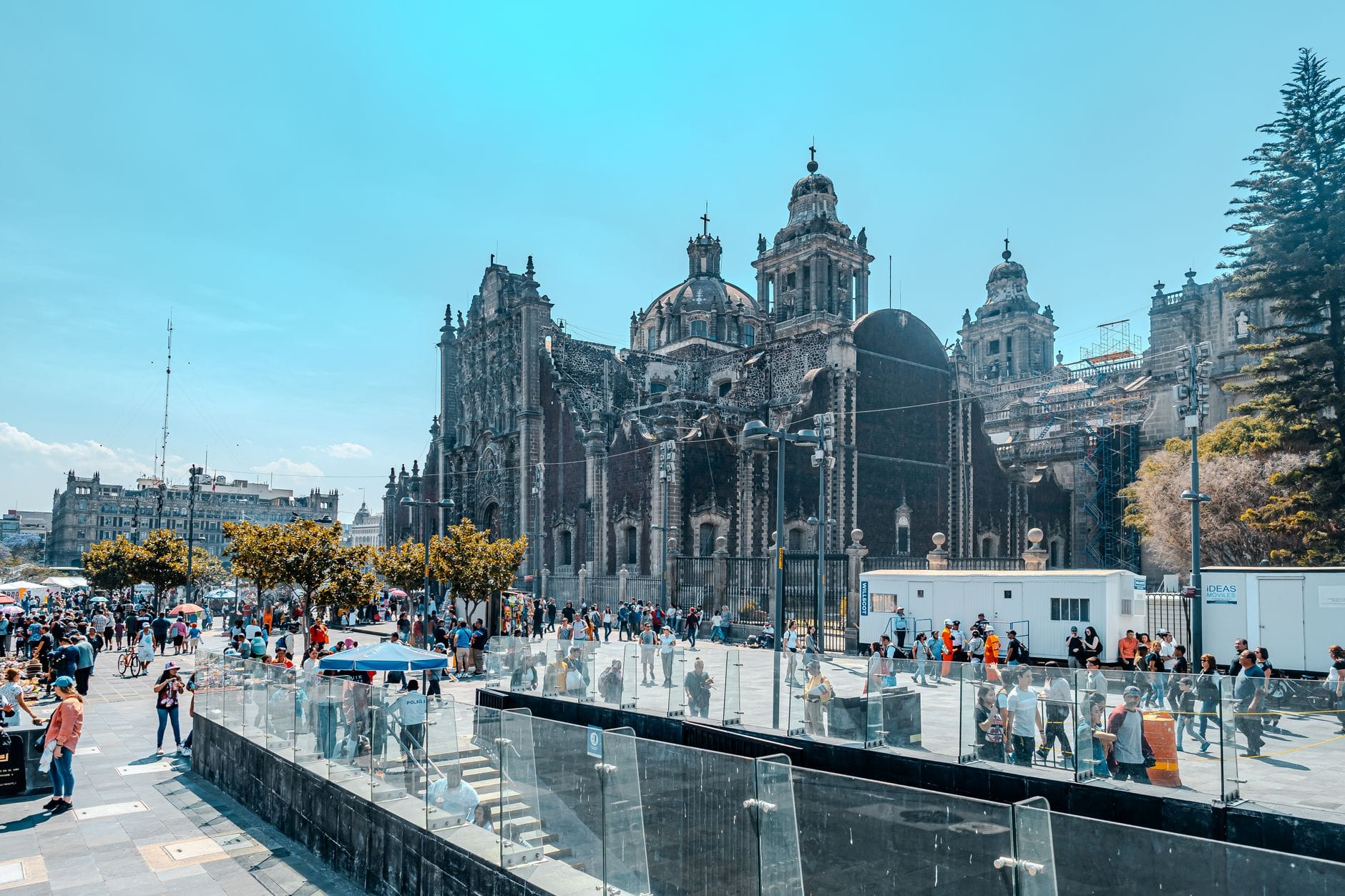
Mexico consistently ranks as one of the most rewarding destinations for American travelers. It is close, affordable, culturally rich, and diverse enough to fill a month. Yet first-time visitors routinely make the same mistake: they try to see everything. The result is a blur of airport transfers, rushed sightseeing, and a credit card bill that does not match the experience.
The key to a great first trip is focus. Pick two or three regions that complement each other, stay at least two nights in each stop, and resist the urge to add "just one more city." This itinerary was built for travelers who want culture, food, history, and nature without turning their vacation into a logistics exercise.
The Route: Mexico City + Oaxaca + Yucatán Peninsula
This is the strongest combination for first-timers. You get world-class museums and Aztec ruins in the capital, the culinary capital of Mexico in Oaxaca, and the Caribbean beaches and Mayan archaeology of the Yucatán. It requires one domestic flight and one overnight bus or short flight. Everything else is connected by comfortable, inexpensive ground transport.

Days 1–4: Mexico City (Ciudad de México)
Most visitors need three full days to scratch the surface of Mexico City. This is one of the world's great cultural capitals, with over 150 museums, the remnants of Tenochtitlán beneath the colonial streets, and a food scene that rivals any on the planet.
Day 1: The Ancient and Colonial Core
Start at the Templo Mayor ($90 MXN, approximately $4.50 USD), the excavated remains of the Aztec capital's main temple. The adjacent museum houses the monolith of the moon goddess Coyolxauhqui and provides essential context for understanding what you are walking on. The Spanish built their cathedral directly atop the Aztec sacred precinct, and the layers are still visible.
Walk next door to the Palacio Nacional (free). Diego Rivera's staircase mural covers the history of Mexico from the Aztec era to the 20th century. Spend an hour reading the panels. It is a history lesson painted in brilliant color.
For dinner, head to Mercado de San Juan or the Corredor de Humo at Mercado 20 de Noviembre. The smoke corridor is exactly what it sounds like: vendors grilling meat over charcoal in a narrow passageway. Order tasajo (thin-cut beef), cecina (salted pork), and chorizo. A feast for two costs around $25 USD.
Day 2: Anthropology and Chapultepec
The Museo Nacional de Antropología ($90 MXN) is the single best museum in Latin America. Plan for three hours minimum. The Aztec, Maya, Olmec, and Teotihuacán halls are essential. The museum is built around a central courtyard with a massive water feature that represents the Aztec cosmos.
Walk through Bosque de Chapultepec to the Castillo de Chapultepec. The castle served as the imperial palace for Maximilian and Carlota in the 1860s and later as the presidential residence. The views of the city from the hilltop are worth the climb, and the history museum inside explains Mexico's turbulent 19th century.
Dinner in Roma Norte or Condesa. These neighborhoods are filled with restaurants that reinterpret Mexican classics. Expect to pay $40–60 USD for dinner for two with mezcal.
Day 3: Teotihuacán at Dawn
Teotihuacán deserves an early start. Hire a taxi or Uber for the 90-minute drive, or take a bus from Autobuses del Norte station. Arrive by 8:00 AM before the tour buses arrive. The Pyramid of the Sun is the third-largest pyramid in the world. Climb to the top for views over the Avenue of the Dead.
The site entry is $90 MXN. Bring water, sunscreen, and a hat. There is little shade. Plan for three hours at the ruins, then lunch at La Gruta, a restaurant inside a cave near the archaeological zone.
Return to the city by early afternoon for a rest, then head to Coyoacán in the evening. The Frida Kahlo Museum, known as La Casa Azul, requires tickets booked two to three weeks in advance. If you cannot get tickets, the Museo Casa de León Trotsky is an excellent alternative and rarely crowded. The Jardín Centenario and Plaza Hidalgo are lively in the evenings, filled with street performers and food vendors.
Day 4: Markets and Departure
Spend your last morning at Mercado de la Ciudadela for handicrafts, or Mercado Jamaica for flowers and produce. If you are flying to Oaxaca, book the midday flight. If you are taking the bus, the ADO overnight bus to Oaxaca departs at 11:30 PM and arrives at 6:30 AM. It is comfortable, safe, and saves a hotel night.
Mexico City Budget: $180–250 USD for four days including accommodation, food, and activities.
Days 5–9: Oaxaca City and Surroundings
Oaxaca is Mexico's culinary and cultural heart. The city itself is a UNESCO World Heritage site, surrounded by valleys filled with Zapotec ruins, mezcal distilleries, and craft villages. Five days allows for depth without rushing.
Day 5: Arrival and City Walk
Fly into Xoxocotlán International Airport (OAX), 20 minutes from the city center. A taxi to the historic center costs around $150 MXN ($7.50 USD). Stay within walking distance of the Zócalo and the Andador Macedonio Alcalá.
Walk the Andador, a pedestrian street lined with galleries, cafés, and shops. The Santo Domingo Cathedral and adjacent Museo de las Culturas de Oaxaca ($90 MXN) are unmissable. The museum occupies the former monastery and houses treasures from Monte Albán, including the famous gold tomb 7.
Evening mezcal tasting at Mezcaloteca or In Situ. These bars specialize in small-batch mezcals from remote villages. A flight of three pours costs $200–300 MXN ($10–15 USD). Ask for something from San Luis del Río or Santa Catarina Minas.
Day 6: Monte Albán
Monte Albán was the capital of the Zapotec civilization for over a thousand years. The site sits on a flattened mountaintop with panoramic views of the valleys. Take a colectivo (shared van) from the corner of Díaz Ordaz and Mina streets ($40 MXN each way). Entry is $90 MXN.
The Gran Plaza, the ball court, and the Danzante reliefs (carved stone figures of captured enemies) are the highlights. Plan for three hours. Return to Oaxaca for a late lunch at Mercado 20 de Noviembre. Try the tlayudas, large crispy tortillas topped with beans, cheese, and meat.
Day 7: The Craft Villages
The valleys around Oaxaca are filled with villages that specialize in traditional crafts. Teotitlán del Valle is famous for hand-woven wool rugs dyed with natural materials including cochineal insects (which produce a brilliant red). San Bartolo Coyotepec is known for black pottery. San Martín Tilcajete produces the fantastical painted wooden animals called alebrijes.
Hire a driver for the day ($1,000–1,500 MXN / $50–75 USD) or join a group tour. The villages are close together and a loop takes about six hours including stops. Buying directly from artisans costs 30–50 percent less than shops in the city.
Day 8: Hierve el Agua or the Coast
Choose your adventure. Hierve el Agua is a set of petrified mineral waterfalls with natural swimming pools perched on a cliff edge. It is spectacular and requires a full day trip ($400–600 MXN for transport).
Alternatively, take a bus to Puerto Escondido (six hours) or Mazunte (seven hours) for Pacific beach time. The Oaxacan coast is less developed than the Caribbean side, with excellent surfing and a laid-back vibe. Stay overnight and return the next day, or continue to the coast and fly back from Puerto Escondido.
Day 9: Food and Markets
Spend your last day exploring Oaxaca's food scene. The Mercado Benito Juárez and Mercado 20 de Noviembre are essential. Buy mole paste to take home (negotiate to $100–150 MXN for a half-kilo container). Try chapulines (toasted grasshoppers) if you are adventurous. They taste like crispy, nutty popcorn.
Evening flight to Mérida (via Mexico City) or overnight bus to the Yucatán.
Oaxaca Budget: $200–350 USD for five days depending on accommodation and tours.
Days 10–14: Yucatán Peninsula
The Yucatán offers a completely different Mexico. This is the land of the ancient Maya, with some of the best-preserved ruins in the Americas, thousands of cenotes (sinkholes), and Caribbean beaches that need no introduction.
Day 10: Mérida
Fly into Mérida, the capital of Yucatán state. The city has a distinctly different feel from central Mexico. The buildings are lower, the climate hotter and more humid, and the cuisine features more tropical fruits and different spice blends.
Walk the Paseo de Montejo, a boulevard of mansions built during the henequen boom of the late 19th century. The Gran Museo del Mundo Maya is excellent for understanding the region's history. Evening dinner in the Santa Ana or Santiago neighborhoods. Try cochinita pibil, slow-roasted pork marinated in citrus and achiote.
Day 11: Chichén Itzá and Valladolid
Chichén Itzá is the most visited archaeological site in Mexico, and for good reason. The Pyramid of Kukulcán is a masterpiece of ancient engineering. Arrive early (site opens at 8:00 AM) to beat the tour buses from Cancún. Entry is $614 MXN ($30 USD).
The Great Ball Court, the Temple of the Warriors, and the Sacred Cenote are the other highlights. Plan for three hours. On the way back to Mérida, stop in Valladolid, a colonial town with a beautiful central plaza and the Cenote Zací right in the center of town.
Day 12: Cenotes and Coastal Transfer
The area between Valladolid and the coast is filled with cenotes. Cenote Ik Kil near Chichén Itzá is spectacular but crowded. Cenote Suytun and Cenote Oxmán offer similar beauty with fewer people. Entry ranges from $100–200 MXN ($5–10 USD).
Continue to Tulum or Playa del Carmen for your beach time. Tulum is more expensive and sceney. Playa del Carmen is more practical and affordable. The beach at Tulum is superior, but you will pay for it.
Days 13–14: Beach Recovery
Two days is enough time to recover from the pace of the previous twelve. Snorkel or dive the Mesoamerican Reef, the second-largest barrier reef in the world. Visit the Tulum ruins, perched dramatically on cliffs above the Caribbean. Take a day trip to Isla Mujeres or Holbox for a different island vibe.
If you want more archaeology, Coba is 45 minutes from Tulum and allows climbing the pyramid (unlike Chichén Itzá). The views over the jungle canopy are unforgettable.
Fly out of Cancún International Airport. It has the most connections to the United States.
Yucatán Budget: $250–500 USD depending on beach town choice and accommodation level.
Total Trip Budget Breakdown
| Category | Budget | Mid-Range | Splurge |
|---|---|---|---|
| Accommodation (14 nights) | $350–420 | $700–1,050 | $1,750–3,500 |
| Food | $280–350 | $560–840 | $1,120–2,100 |
| Activities & Entry Fees | $150–200 | $200–300 | $400–600 |
| Transport (domestic) | $200–300 | $300–400 | $500–800 |
| Local Transport | $100–150 | $150–250 | $300–500 |
| Total (per person) | $1,080–1,420 | $1,910–2,840 | $4,070–7,500 |
Add $300–600 for flights from most US cities. From Florida, Southwest and Spirit often have deals under $300 round-trip.
Practical Tips for First-Timers
Safety
Mexico City and Oaxaca are statistically safer than many American cities. Use common sense: do not flash expensive jewelry, take official taxis or Uber, and stay aware of your surroundings. The Yucatán is one of the safest regions in Mexico.
Money
ATMs give the best exchange rates. Use ones inside banks rather than standalone machines. Notify your bank before traveling. Credit cards are accepted at restaurants and hotels, but cash is essential for markets, colectivos, and small vendors.
Language
Basic Spanish helps enormously, especially in Oaxaca and smaller towns. Download Google Translate for offline use. In the Yucatán tourist areas, English is widely spoken.
Weather
October to May is the dry season and the best time to visit. June through September is rainy season with afternoon thunderstorms. It is also hurricane season on the coast. December and January are busiest and most expensive.
Health
Drink bottled or purified water. Street food is generally safe if you stick to vendors with high turnover and freshly cooked items. Bring Imodium and oral rehydration salts just in case.
When to Go
November through April offers the best combination of dry weather and manageable crowds. Day of the Dead (late October to early November) is spectacular but accommodation books up months in advance. Holy Week (Semana Santa) is beautiful but busy. July and August are hot and humid on the coast but perfect for cenote swimming.
What to Skip on Your First Trip
Do not try to add Acapulco, Puerto Vallarta, or Los Cabos to this itinerary. They require flights or long bus rides that eat up your limited time. Save them for a future trip focused on the Pacific coast. Similarly, skip Chiapas unless you have extra time. It is beautiful but adds another flight and significant logistics.
Mexico rewards depth over breadth. Two weeks in these three regions gives you a foundation to return and explore further. The country is vast, varied, and endlessly fascinating. This itinerary is just the beginning.