
First Time in Switzerland? Here's the Perfect 2-Week Itinerary for 2026 (With Real Costs)
Switzerland is expensive, but smart planning makes it accessible. This 2-week itinerary balances iconic alpine experiences with money-saving strategies, including real budget breakdowns from $2,400 to $9,600.
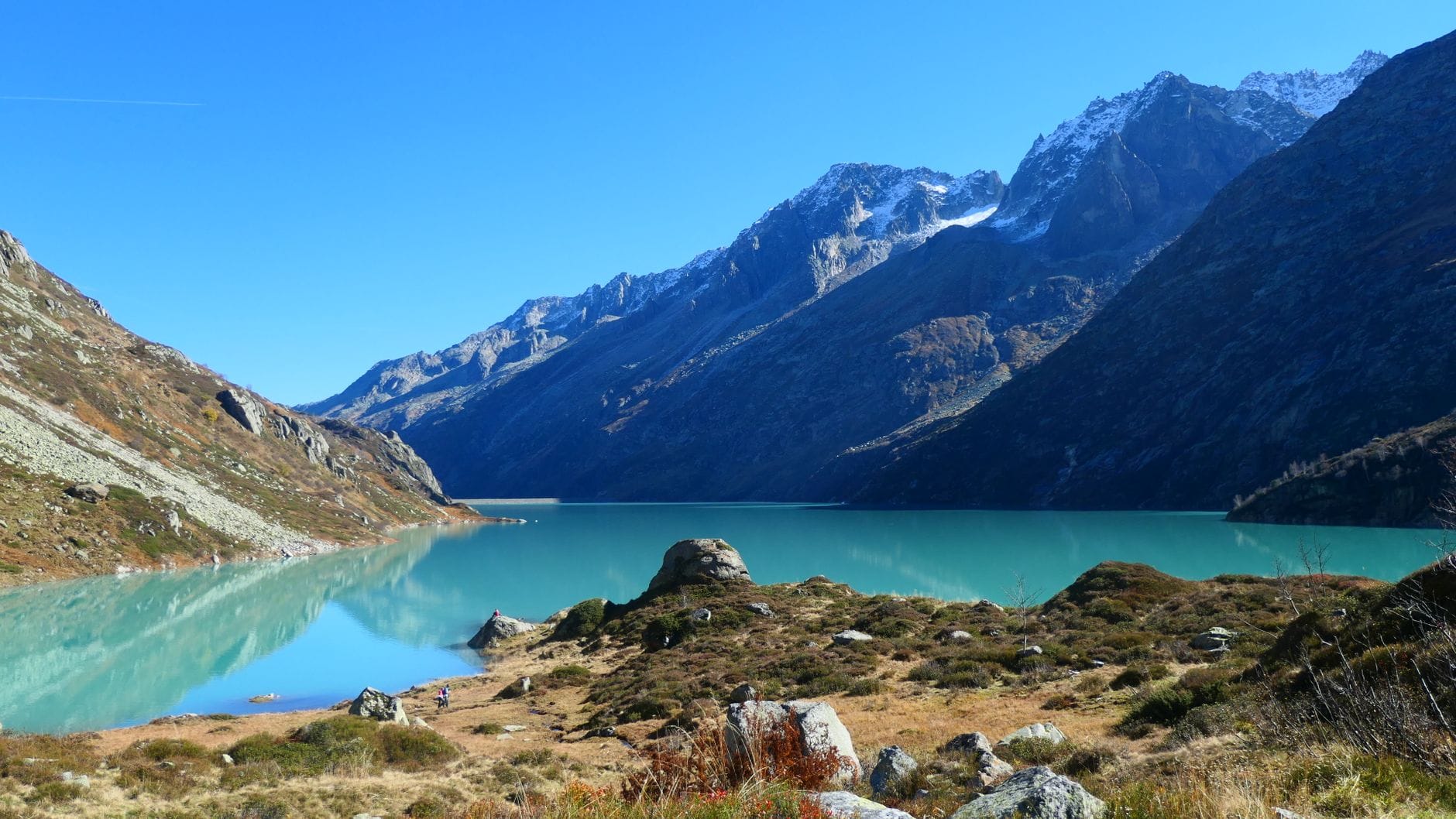
Switzerland consistently ranks as one of the most dreamed-about destinations on travel forums. The soaring Alps, crystalline lakes, storybook villages, and precision trains create a travel experience that feels almost too perfect to be real. But there is a catch that keeps coming up in every Reddit thread: this country is expensive.
The good news? With smart planning, you can experience the best of Switzerland without completely emptying your savings account. I have analyzed dozens of trip reports, budget breakdowns, and local recommendations to build this comprehensive 2-week itinerary that balances iconic experiences with practical money-saving strategies.
Whether you are hiking the Jungfrau region, cruising Lake Geneva, or eating your body weight in cheese fondue, this guide covers exactly how to plan, what to budget, and where to go for your first Swiss adventure.
How Much Does 2 Weeks in Switzerland Actually Cost?
Let us get the difficult numbers out of the way first. Switzerland is one of the most expensive countries in the world for travelers, and pretending otherwise will only lead to shock when you see restaurant menus.
Budget Breakdown for 2 Weeks (Per Person)
- Backpacker Budget: CHF 2,100-2,800 ($2,400-3,200 USD)
Hostel dorms, supermarket meals, regional trains, minimal paid attractions - Mid-Range Comfort: CHF 3,500-4,900 ($4,000-5,600 USD)
Budget hotels/Airbnbs, mix of restaurants and self-catering, Swiss Travel Pass, key excursions - Comfortable Travel: CHF 5,600-8,400 ($6,400-9,600 USD)
Hotels, daily restaurant meals, first-class trains, all major attractions - Luxury: CHF 10,500+ ($12,000+ USD)
Premium hotels, fine dining, private transfers, helicopter tours
Most first-time visitors find the mid-range option provides the best balance. You will stay in comfortable accommodation, eat out regularly, and experience the highlights without constantly worrying about every franc spent.
When to Visit Switzerland
Switzerland operates on two distinct tourist calendars, and your experience will vary dramatically depending on when you visit.
Summer (June to August)
Peak season brings warm weather, open hiking trails, and long daylight hours. Temperatures range from 18-28°C (64-82°F) in the valleys, making this ideal for outdoor activities. The downside? Crowds at major attractions and higher prices for accommodation. Book hotels and mountain railways at least 3-4 months ahead.
Winter (December to February)
Ski season transforms Switzerland into a snowy wonderland. Resorts like Zermatt, St. Moritz, and Verbier draw winter sports enthusiasts from around the world. Even non-skiers enjoy the magical Christmas markets, fondue culture, and thermal spas. Expect resort towns to be packed and expensive during Christmas and February school holidays.
Shoulder Seasons (April-May and September-October)
Spring and autumn offer the sweet spot of decent weather, fewer crowds, and lower prices. Some high-altitude hiking trails may still be closed in April, but valley walks and city exploration remain excellent. September is particularly beautiful as the summer crowds depart but the weather often stays pleasant.
Getting Around: The Swiss Travel Pass vs. Point-to-Point
Switzerland's public transportation system is legendary for its punctuality and coverage. Even tiny mountain villages connect to the network via trains, buses, and cable cars.
The Swiss Travel Pass offers unlimited travel on trains, buses, and boats, plus free entry to over 500 museums and discounted mountain transport. For a 15-day consecutive pass, expect to pay CHF 459 ($525 USD) in second class or CHF 734 ($840 USD) first class.
Whether the pass saves money depends on your itinerary. If you are moving between cities daily and taking multiple mountain excursions, it usually pays for itself. For slower-paced trips centered on one region, point-to-point tickets might be cheaper. Use the SBB website or app to compare specific routes before purchasing.
Pro tip from every budget thread on Reddit: the Swiss Half Fare Card (CHF 120/$137 USD for one month) offers 50% off all public transport and often works out cheaper for travelers staying in fewer locations.
The Perfect 2-Week Switzerland Itinerary
This route hits the classic highlights while keeping travel time reasonable. It moves in a logical loop from Zurich through the Alps to Geneva, maximizing scenic train routes and minimizing backtracking.
Days 1-3: Zurich and Lucerne
Arrive in Zurich and spend your first day recovering from jet lag. Zurich is Switzerland's largest city, but the historic center remains compact and walkable. Stroll along Bahnhofstrasse, explore the old town's winding streets, and catch sunset from the Polyterrace at ETH Zurich (free and offering panoramic city views).
On day 2, take the train to Lucerne (50 minutes), one of Switzerland's most beautiful cities. Walk across the iconic Chapel Bridge, visit the Lion Monument, and ride the funicular to Mount Pilatus for alpine views without the full mountain expedition price tag.
Day 3 offers one of Switzerland's most scenic experiences: the GoldenPass Line from Lucerne to Interlaken. This train journey crosses the Brunig Pass through landscapes that look ripped from a postcard. Sit on the left side for the best views.
Accommodation tip: Lucerne hotels are pricey. Consider staying in nearby Kriens or Horw for better rates with quick train connections.
Days 4-7: Interlaken and the Jungfrau Region
Interlaken serves as the gateway to the Bernese Oberland, and you will want at least four days here. This region contains the quintessential Swiss alpine scenery that dominates Instagram feeds.
Day 4: Take the cogwheel train to Grindelwald, a charming village beneath the north face of the Eiger. Walk to the Bachalpsee, an alpine lake reflecting the surrounding peaks. The hike takes about 3 hours round trip and costs nothing beyond the train ticket.
Day 5: Experience the Schynige Platte (included with Swiss Travel Pass or CHF 64/$73 USD return), a mountain plateau accessible by vintage cog railway. The botanical alpine garden and views of the Eiger, Monch, and Jungfrau trilogy make this a local favorite that sees fewer crowds than the expensive Jungfraujoch excursion.
Day 6: Visit Lauterbrunnen Valley, the valley of 72 waterfalls. Walk to Staubbach Falls, take the cable car to Murren (car-free village with Eiger views), and ride the funicular to Allmendhubel for easy hiking trails.
Day 7: Optional splurge day. The Jungfraujoch (Top of Europe) costs CHF 235-265 ($269-303 USD) return from Interlaken but offers genuinely spectacular glacier and mountain views from 3,454 meters. Alternatively, save money with the First Cliff Walk and gondola (CHF 68/$78 USD), which provides similar thrills at a third of the price.
Budget food tip: Interlaken has Coop and Migros supermarkets. Grab fresh bread, cheese, and prepared salads for picnic lunches. A supermarket lunch costs CHF 10-15 versus CHF 30-45 at restaurants.
Days 8-10: Zermatt and the Matterhorn
From Interlaken, take the scenic Loetschberg Mountain Railway route to Zermatt, a car-free village beneath the iconic Matterhorn. The journey itself is half the experience, crossing mountain passes and winding through valleys.
Day 8: Settle into Zermatt and explore the village. Walk to the Hinterdorf to see traditional wooden barns, visit the Mountaineers' Cemetery, and ride the Sunnegga funicular for your first Matterhorn views.
Day 9: Take the Gornergrat Railway (CHF 104/$119 USD return, discounted with Swiss Travel Pass) to 3,089 meters for panoramic views of the Monte Rosa massif and the Matterhorn. The train stops at multiple stations; hop off at Rotenboden to walk to the Riffelsee, where the Matterhorn reflects perfectly on calm mornings.
Day 10: Hike the Five Lakes Walk (5-Seenweg), a moderate 9km trail passing alpine lakes with Matterhorn reflections. The cable car to Blauherd costs CHF 52/$60 USD one way, or hike up from Sunnegga to save money.
Money-saving warning: Zermatt is expensive even by Swiss standards. Accommodation books up months in advance, and restaurant prices will make you wince. Budget travelers should consider staying in nearby Täsch (car-accessible, cheaper, connected by train) or buying groceries at the Zermatt Coop.
Days 11-12: Montreux and Lavaux Vineyards
Descend from the mountains to the Lake Geneva region. Take the train to Montreux, famous for its jazz festival and Freddie Mercury statue, then continue to Vevey or Lausanne.
Day 11: Explore Chillon Castle (CHF 15/$17 USD), a medieval fortress on the lake that inspired Lord Byron. Walk the lakeside promenade from Montreux to the castle (about 45 minutes), then continue to Vevey to see the Giant Fork in the lake and explore the old town.
Day 12: Visit the Lavaux Vineyards, a UNESCO-listed terraced wine region between Lausanne and Montreux. The wine train connects villages, or hike the marked trails through the vineyards with panoramic lake views. Stop for wine tasting at a local cellar restaurant, where you can try Chasselas, the crisp white wine that thrives in this microclimate.
This region feels more relaxed and authentic than the tourist-heavy alpine resorts. Prices drop noticeably for food and accommodation compared to Zermatt.
Days 13-14: Geneva and Departure
End your trip in Geneva, Switzerland's international city. While some travelers find Geneva less charming than other Swiss cities, it offers excellent museums, lake activities, and easy airport access.
Day 13: Visit the Old Town, see the Jet d'Eau (the 140-meter water fountain), and explore the Red Cross Museum (CHF 15/$17 USD, free with Swiss Travel Pass). Take a boat cruise on Lake Geneva to see the city from the water.
Day 14: Depending on your flight time, explore the Carouge neighborhood (Geneva's bohemian district with Mediterranean vibes) or visit the Patek Philippe Museum for watchmaking history. Depart from Geneva Airport, connected to the city center by an 8-minute train ride.
Essential Money-Saving Tips
Every thread about Switzerland on r/budgettravel and r/solotravel contains the same hard-won wisdom. Here are the strategies that actually work:
Accommodation Hacks
Hostels in Switzerland are expensive but clean and well-run. A dorm bed in Zurich or Interlaken runs CHF 45-65 ($51-74 USD) per night. Private rooms in hostels often cost less than budget hotels.
Airbnb can offer better value than hotels, especially for groups. Look for places with kitchen access so you can prepare breakfast and occasional dinners.
Consider staying in smaller towns near major destinations. Täsch instead of Zermatt. Kriens instead of Lucerne. Spiez instead of Interlaken. You will save 30-50% on accommodation while staying just 15-30 minutes away by train.
Food and Drink
Restaurant meals in Switzerland hurt. Expect to pay CHF 25-35 ($29-40 USD) for a basic main course at a casual restaurant, CHF 40-60 ($46-69 USD) at nicer places. A McDonald's meal costs around CHF 15 ($17 USD).
The Coop and Migros supermarket chains are your best friends. Both offer budget-friendly prepared foods, fresh bread, excellent cheese selections, and reasonably priced wine. The Coop Restaurant and Migros Restaurant chains serve hot meals cafeteria-style for CHF 12-18 ($14-21 USD), half the price of traditional restaurants.
Tap water is safe, delicious, and free. Bring a reusable bottle and refill from fountains throughout cities and hiking trails.
Activities and Attractions
Not every amazing Swiss experience costs money. The country is essentially one giant free outdoor playground. Hiking trails are abundant, well-marked, and cost nothing. Lakeside walks, mountain viewpoints accessible by regular trains, and village exploration provide endless entertainment.
Many museums offer free entry with the Swiss Travel Pass. Without the pass, check for student discounts or free entry hours (many museums offer free entry on the first Sunday of each month).
For mountain excursions, research alternatives to the most famous (and expensive) options. Schynige Platte instead of Jungfraujoch. First instead of Schilthorn. These substitutions save CHF 100+ per person while still delivering stunning alpine experiences.
What to Pack for Switzerland
Switzerland's weather changes rapidly, especially in the mountains. Even summer days can turn cold and rainy at higher elevations.
Essentials:
- Layered clothing system (base layer, insulating mid-layer, waterproof shell)
- Sturdy hiking boots or trail shoes
- Swimsuit (for lake swimming and thermal spas)
- Sunscreen and sunglasses (the alpine sun is intense)
- Universal power adapter (Switzerland uses type J plugs, slightly different from standard European type C)
- Reusable water bottle
- Daypack for hiking
Pack light. Swiss trains and stations have stairs, cobblestone streets are everywhere, and many mountain villages are car-free. A carry-on-sized bag makes travel infinitely easier.
Final Thoughts
Switzerland rewards travelers who embrace its rhythm. Yes, it is expensive. But the efficiency, cleanliness, safety, and sheer beauty justify the cost for many visitors. The hiking trails are world-class, the trains run exactly on time, and the fondue tastes better than you imagined.
The key is budgeting realistically and knowing where to splurge versus where to save. Spend on mountain excursions and scenic train routes. Save on accommodation and food by staying flexible and shopping at supermarkets.
Two weeks gives you enough time to see the highlights without rushing. You will leave with hundreds of photos, sore legs from hiking, and a newfound appreciation for why the Swiss seem so smug about their country. It really is that beautiful.
Have you been to Switzerland? What was your budget reality check? Share your experience in the comments below.